
Xor Chart
Xor Chart - Xor behaves like austin explained, as an exclusive or, either a or b but not both and neither yields false. When you want to mask bits,. Can you please explain me in plain english what is the xor (^) operator and what it does in the following code: So 1 is out of question. The result of xor is 1 if the two bits are different. There are 16 possible logical operators for two inputs since the truth. Now, if x xor x is 0, and xor is associative, and you need to find out what number hasn't repeated. Bitwise and and or are pretty straight forward. I am having some trouble identifying when to use the xor operator when doing bitwise manipulations. How do you do the xor bitwise operation if you only have available the and and the or operations? The result of xor is 1 if the two bits are different. A negative number is stored in binary as two's complement. The compiler will just produce assembly code to xor a register onto itself). Public int gethashcode(box bx) { int hcode = bx.height ^. Xor behaves like austin explained, as an exclusive or, either a or b but not both and neither yields false. Can you please explain me in plain english what is the xor (^) operator and what it does in the following code: When you want to mask bits,. There are 16 possible logical operators for two inputs since the truth. The xor ( ^ ) is an logical operator that will return 1 when the bits are different and 0 elsewhere. Now, if x xor x is 0, and xor is associative, and you need to find out what number hasn't repeated. The result of xor is 1 if the two bits are different. Can you please explain me in plain english what is the xor (^) operator and what it does in the following code: So 1 is out of question. Public int gethashcode(box bx) { int hcode = bx.height ^. Tomorrow morning i have to give neural network final exam,. Which makes sense, since bool is just a subclass of int, but is implemented to only have the. Tomorrow morning i have to give neural network final exam, but there is a problem, i cannot solve xor problem with mlp, i don't know how to assign weights and bias. When you want to mask bits,. Now, if x xor x. The xor ( ^ ) is an logical operator that will return 1 when the bits are different and 0 elsewhere. The xor operator on two booleans is logical xor (unlike on ints, where it's bitwise). How do you do the xor bitwise operation if you only have available the and and the or operations? Public int gethashcode(box bx) {. Public int gethashcode(box bx) { int hcode = bx.height ^. A negative number is stored in binary as two's complement. Tomorrow morning i have to give neural network final exam, but there is a problem, i cannot solve xor problem with mlp, i don't know how to assign weights and bias. If you don't care about 2, then with. Xor. Which makes sense, since bool is just a subclass of int, but is implemented to only have the. The xor operator on two booleans is logical xor (unlike on ints, where it's bitwise). How do you do the xor bitwise operation if you only have available the and and the or operations? The compiler will just produce assembly code to. Which makes sense, since bool is just a subclass of int, but is implemented to only have the. Tomorrow morning i have to give neural network final exam, but there is a problem, i cannot solve xor problem with mlp, i don't know how to assign weights and bias. How do you do the xor bitwise operation if you only. Tomorrow morning i have to give neural network final exam, but there is a problem, i cannot solve xor problem with mlp, i don't know how to assign weights and bias. Which makes sense, since bool is just a subclass of int, but is implemented to only have the. Can you please explain me in plain english what is the. The result of xor is 1 if the two bits are different. Now, if x xor x is 0, and xor is associative, and you need to find out what number hasn't repeated. The xor operator on two booleans is logical xor (unlike on ints, where it's bitwise). A negative number is stored in binary as two's complement. There are. Bitwise and and or are pretty straight forward. When you want to mask bits,. I am having some trouble identifying when to use the xor operator when doing bitwise manipulations. The xor operator on two booleans is logical xor (unlike on ints, where it's bitwise). Can you please explain me in plain english what is the xor (^) operator and. Now, if x xor x is 0, and xor is associative, and you need to find out what number hasn't repeated. Can you please explain me in plain english what is the xor (^) operator and what it does in the following code: Xor behaves like austin explained, as an exclusive or, either a or b but not both and. The compiler will just produce assembly code to xor a register onto itself). A negative number is stored in binary as two's complement. The xor ( ^ ) is an logical operator that will return 1 when the bits are different and 0 elsewhere. Which makes sense, since bool is just a subclass of int, but is implemented to only have the. If you don't care about 2, then with. Can you please explain me in plain english what is the xor (^) operator and what it does in the following code: The result of xor is 1 if the two bits are different. Tomorrow morning i have to give neural network final exam, but there is a problem, i cannot solve xor problem with mlp, i don't know how to assign weights and bias. The xor operator on two booleans is logical xor (unlike on ints, where it's bitwise). There are 16 possible logical operators for two inputs since the truth. Bitwise and and or are pretty straight forward. I am having some trouble identifying when to use the xor operator when doing bitwise manipulations. So 1 is out of question. Public int gethashcode(box bx) { int hcode = bx.height ^. Xor behaves like austin explained, as an exclusive or, either a or b but not both and neither yields false.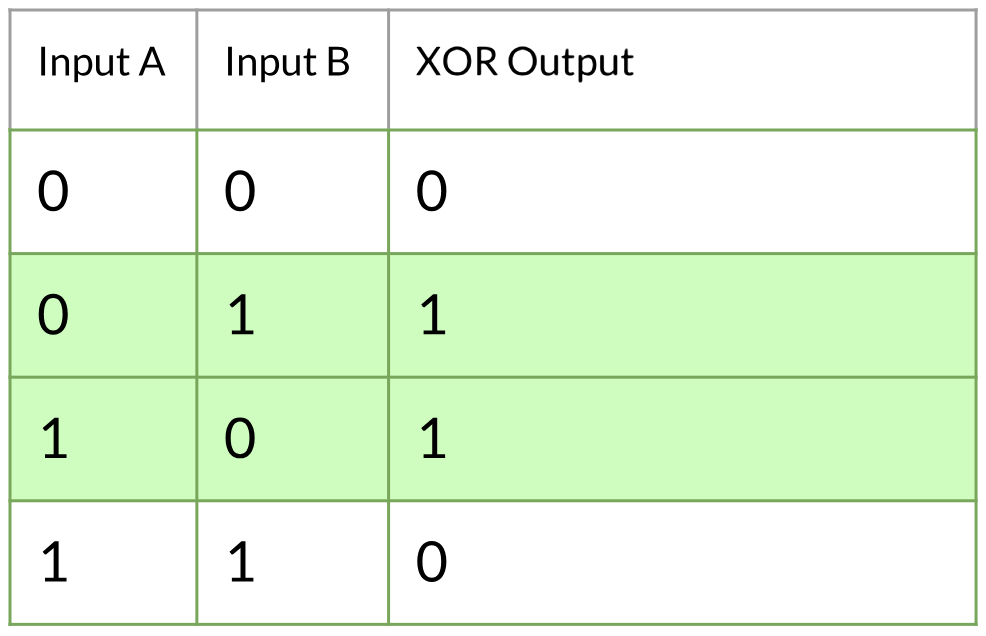
Applicable Uses of the XOR Operator by Claire Li Medium
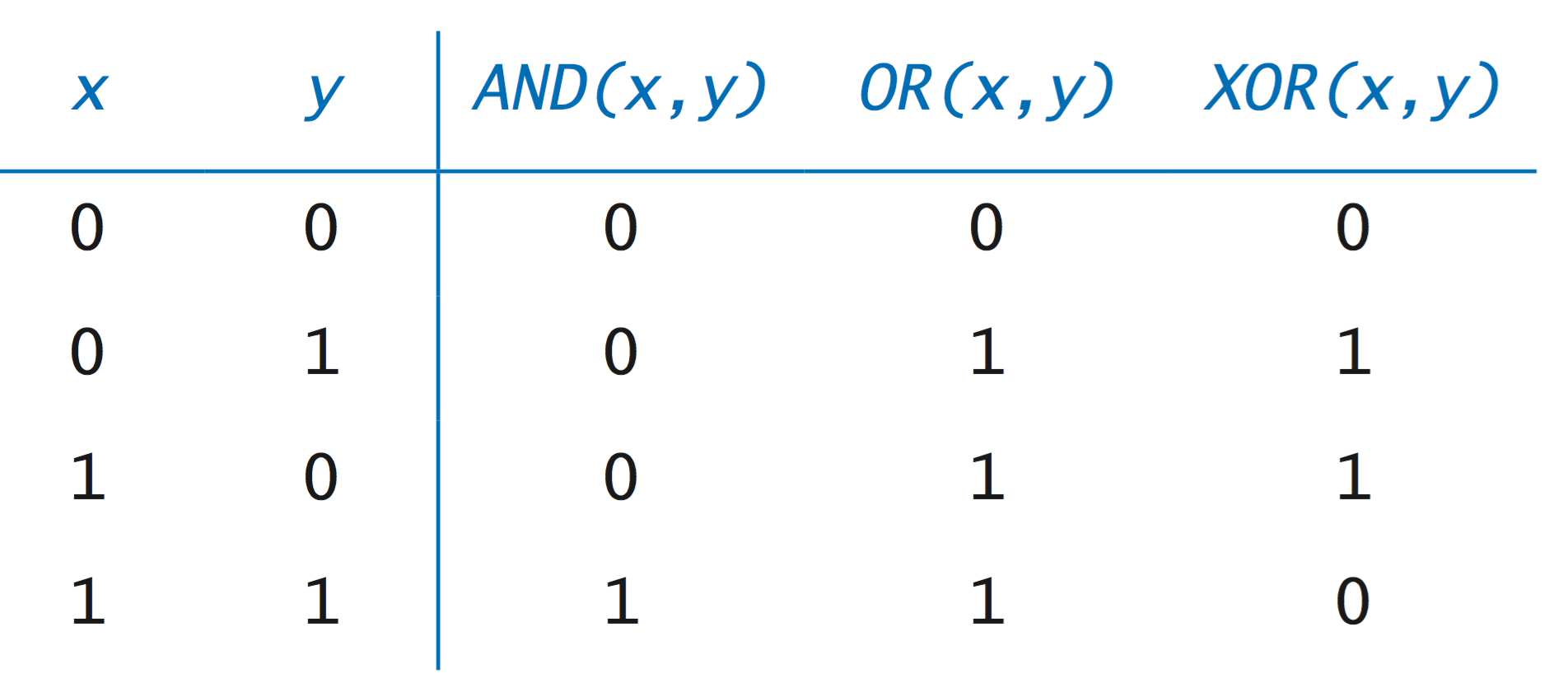
Xor Truth Table

Xor

XOR Gate
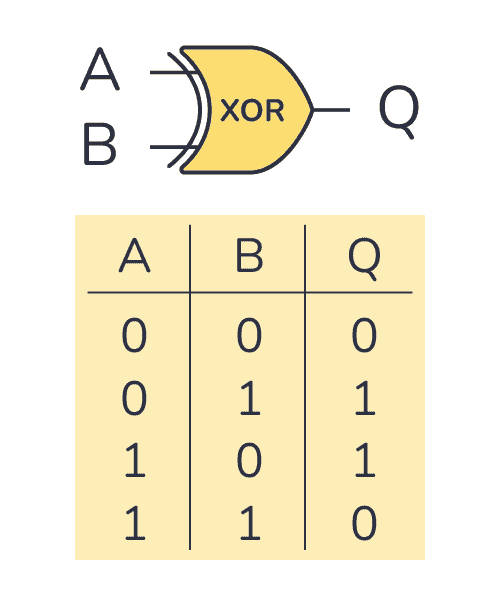
XOR Gate Logic Gates Tutorial
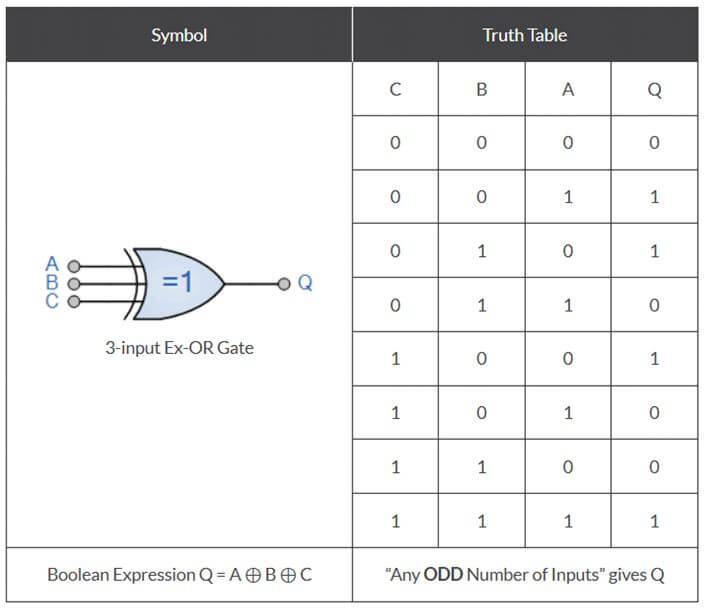
XOR gate How does XOR gate Works with Truth Table and Uses
XOR Gate XNOR Gate Truth Table, Symbol Boolean Expression , 48 OFF

Xor Gate Logic Table
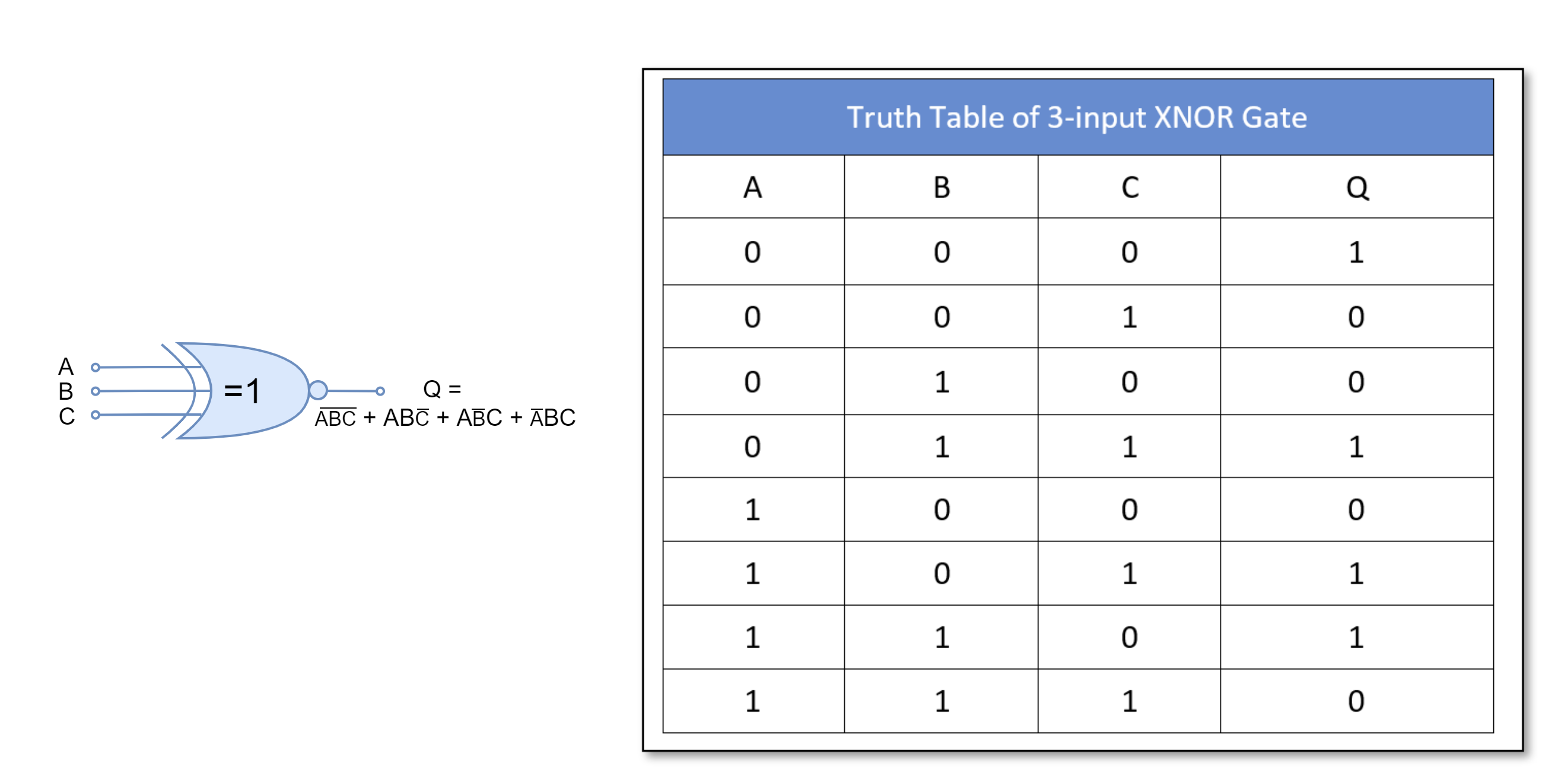
Table For Xor Gate at Hazel Peterson blog
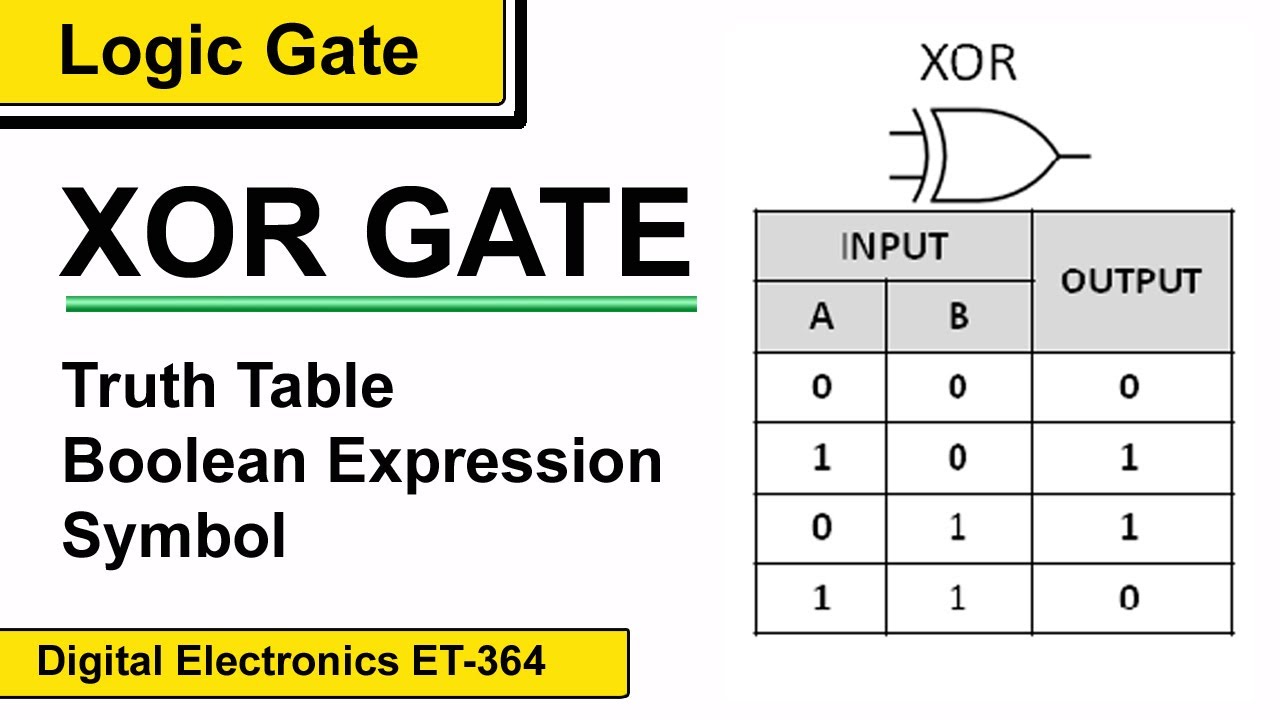
What is XOR Gate XOR gate truth table symbol DAE electrical 3rd year Digital electronics ET
How Do You Do The Xor Bitwise Operation If You Only Have Available The And And The Or Operations?
When You Want To Mask Bits,.
Now, If X Xor X Is 0, And Xor Is Associative, And You Need To Find Out What Number Hasn't Repeated.
The ^ (Bitwise Xor) In C Or C++ Takes Two Numbers As Operands And Does Xor On Every Bit Of Two Numbers.
Related Post: