
Whos Here Today Chart
Whos Here Today Chart - Whose is a possessive pronoun that you should use when you’re asking or telling whom something belongs to. Who’s is a contraction of who is or who has. As well as with who functioning as a. Who’s is a contraction of the words “who is” or “who has.” the way i remember is by focusing on the. (who's seen this movie?) tip to remember: Who's means who is or who has. A whois domain lookup allows you to trace the ownership and tenure of a domain name. However, many people still find whose and who’s particularly. Who is a subject pronoun (used for the person performing an action), while whom is an object pronoun (used for the person receiving an action). “who’s” means “who is” or “who has,” while “whose” shows possession. Whose and who’s are pronounced the same but fulfil different grammatical roles. Learn the difference and write confidently! However, many people still find whose and who’s particularly. Whose shows possession (e.g., never trust a doctor whose plants have died). Whose is a possessive adjective. What is a whois domain lookup? Who is a subject pronoun (used for the person performing an action), while whom is an object pronoun (used for the person receiving an action). Who’s is a contraction of who is or who has. Whose is the possessive form of the pronoun who, while who’s is a contraction of the words who is or who has. Who's and whose are easy to confuse. Who's and whose are easy to confuse. Whose shows possession (e.g., never trust a doctor whose plants have died). Whose and who’s are pronounced the same but fulfil different grammatical roles. Who’s is a contraction of the words “who is” or “who has.” the way i remember is by focusing on the. (who's seen this movie?) tip to remember: Who's and whose are easy to confuse. Whose and who’s are pronounced the same but fulfil different grammatical roles. (whose shoes are these?) who's is a contraction for who is or who has. (who's seen this movie?) tip to remember: “who’s” means “who is” or “who has,” while “whose” shows possession. “who’s” means “who is” or “who has,” while “whose” shows possession. Learn the difference and write confidently! Who’s is a contraction of who is or who has. (who's seen this movie?) tip to remember: The words whose and who’s. Who's and whose are easy to confuse. (whose shoes are these?) who's is a contraction for who is or who has. Whose is a possessive adjective. The words whose and who’s. Whose is the possessive form of the pronoun who, while who’s is a contraction of the words who is or who has. Learn the difference and write confidently! The words whose and who’s. Who’s is a contraction of the words “who is” or “who has.” the way i remember is by focusing on the. A whois domain lookup allows you to trace the ownership and tenure of a domain name. However, many people still find whose and who’s particularly. However, many people still find whose and who’s particularly. Who’s is a contraction of who is or who has. Who's and whose are easy to confuse. Whose and who’s are pronounced the same but fulfil different grammatical roles. Learn the difference and write confidently! Who is a subject pronoun (used for the person performing an action), while whom is an object pronoun (used for the person receiving an action). Whose and who’s are pronounced the same but fulfil different grammatical roles. Who’s [=who is] at the door? As well as with who functioning as a. A whois domain lookup allows you to trace the. Whose is a possessive adjective. Whose shows possession (e.g., never trust a doctor whose plants have died). A whois domain lookup allows you to trace the ownership and tenure of a domain name. The words whose and who’s. Who’s [=who has] got the remote? What is a whois domain lookup? Whose and who’s are pronounced the same but fulfil different grammatical roles. The words whose and who’s. Who's means who is or who has. Whose is a possessive adjective. (whose shoes are these?) who's is a contraction for who is or who has. Who’s is a contraction of who is or who has. Whose is the possessive form of the pronoun “who.” who’s is a contraction (shortened form). As well as with who functioning as a. Who is a subject pronoun (used for the person performing an action), while. What is a whois domain lookup? Whose shows possession (e.g., never trust a doctor whose plants have died). Whose is a possessive pronoun that you should use when you’re asking or telling whom something belongs to. Who is a subject pronoun (used for the person performing an action), while whom is an object pronoun (used for the person receiving an action). Who’s is a contraction of the words “who is” or “who has.” the way i remember is by focusing on the. Who’s [=who is] at the door? “who’s” means “who is” or “who has,” while “whose” shows possession. Whose and who’s are pronounced the same but fulfil different grammatical roles. Who's means who is or who has. Who’s [=who has] got the remote? Whose is the possessive form of the pronoun “who.” who’s is a contraction (shortened form). (whose shoes are these?) who's is a contraction for who is or who has. Learn the difference and write confidently! Whose is a possessive adjective. Who's and whose are easy to confuse. However, many people still find whose and who’s particularly.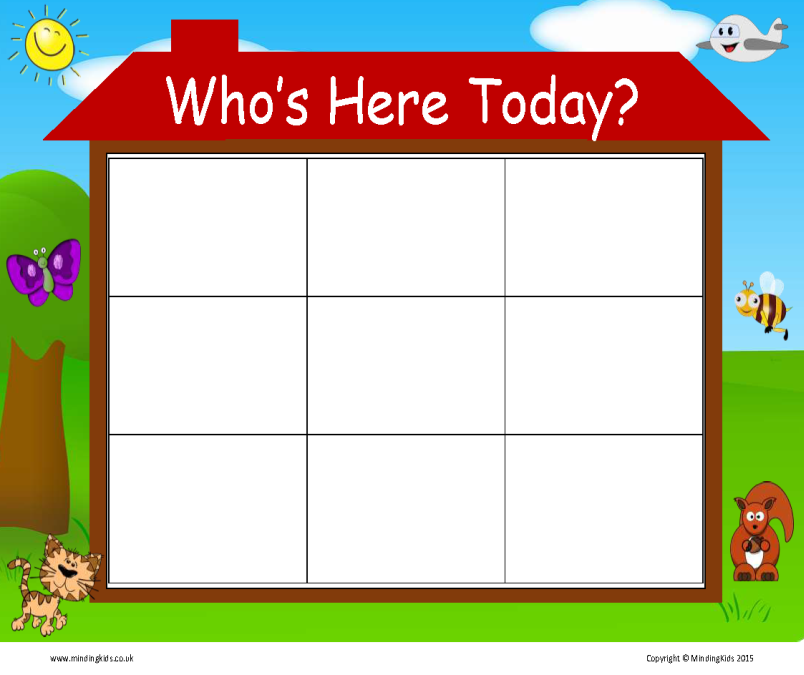
Who's Here Today Chart Printable

Buy Yoye Who Is Here Today Classroom Attendance Chart, Helping Hands Pocket Chart For

Take a look at this Attendance Pocket Chart today! Pocket chart, Attendance chart, Owl classroom

Who is here today? Interactive chart readilearn

Displays for Dropoff to Engage Both Parents and Children Inspired Learning

Who Is Here Today Chart Preschool Ponasa

A/R Classroom Attendance Chart, Who is Here Today Helping Hands Pocket Chart for
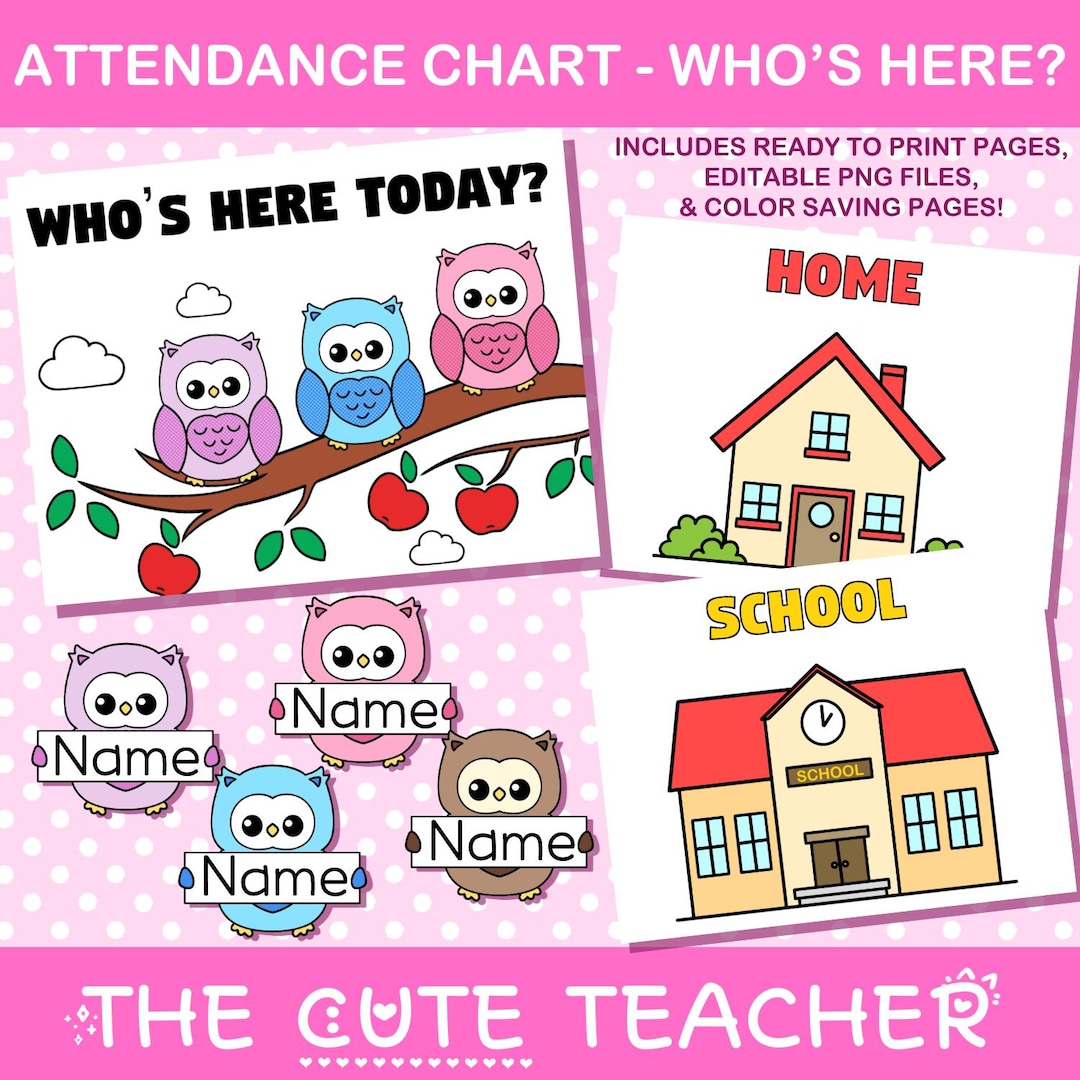
Attendance Chart Whos Here Today Editable Owl Preschool & Kindergarten Display Etsy
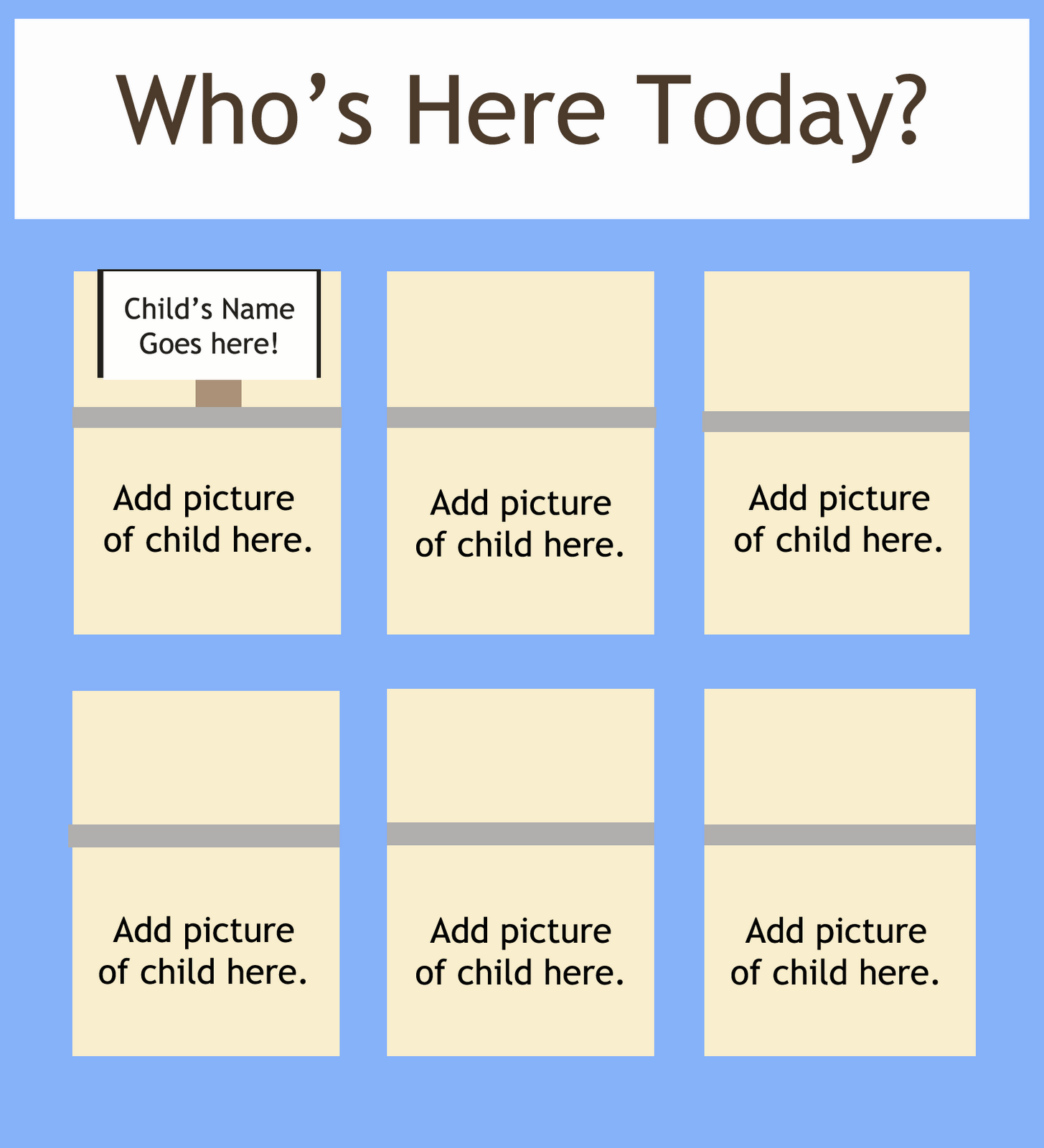
Who's Here Today Chart Printable Printable Word Searches
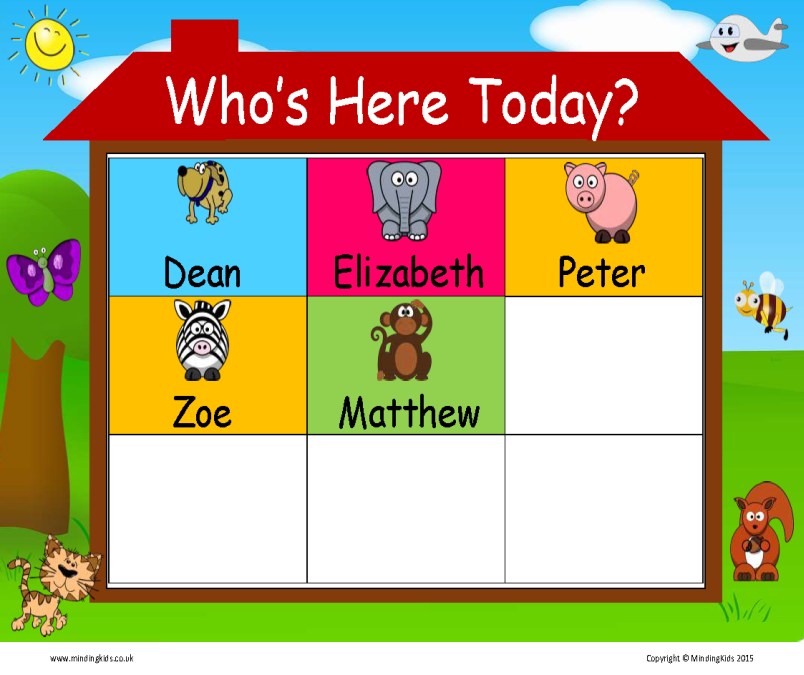
Who's Here Today? SelfRegistration Chart MindingKids
Who’s Is A Contraction Made Up Of The Words “Who” And “Is” Or “Who”.
A Whois Domain Lookup Allows You To Trace The Ownership And Tenure Of A Domain Name.
(Who's Seen This Movie?) Tip To Remember:
It Can Be Found At The Beginning Of A Question:
Related Post: