
University Organisational Chart
University Organisational Chart - Cell wall, specialized form of extracellular matrix that surrounds every cell of a plant. Algae, a diverse group of eukaryotic photosynthetic organisms that range from single cells to massive kelp. Angiosperm, any of about 352,000 species of flowering plants, the largest and most diverse group within the kingdom plantae. A plant cell is the basic unit of all plants. Angiosperms represent approximately 80 percent of. Their characteristic cell wall is. Asexual reproduction results in offspring that are identical to the parent plant. Gymnosperm, any vascular plant that reproduces by means of an exposed seed, or ovule—unlike angiosperms, or flowering plants, whose seeds are enclosed by mature ovaries, or fruits. Plants (kingdom plantae) are all multicellular and eukaryotic, and most can convert the energy of sunlight into chemical energy. Many plants, for example, are not green and thus do not produce their own food by. Gymnosperm, any vascular plant that reproduces by means of an exposed seed, or ovule—unlike angiosperms, or flowering plants, whose seeds are enclosed by mature ovaries, or fruits. Cell wall, specialized form of extracellular matrix that surrounds every cell of a plant. A plant cell is the basic unit of all plants. No definition of the kingdom completely excludes all nonplant organisms or even includes all plants. Plant reproductive system, any of the systems, sexual or asexual, by which plants reproduce. The cell wall distinguishes plant cells from animal cells and provides physical support and. Their characteristic cell wall is. Angiosperm, any of about 352,000 species of flowering plants, the largest and most diverse group within the kingdom plantae. Algae, a diverse group of eukaryotic photosynthetic organisms that range from single cells to massive kelp. A major outcome was widespread support among botanists and zoologists for considering living organisms as constituting five separate kingdoms, four of which were placed. A plant cell is the basic unit of all plants. Plants (kingdom plantae) are all multicellular and eukaryotic, and most can convert the energy of sunlight into chemical energy. Cell wall, specialized form of extracellular matrix that surrounds every cell of a plant. A major outcome was widespread support among botanists and zoologists for considering living organisms as constituting five. Many plants, for example, are not green and thus do not produce their own food by. Angiosperm, any of about 352,000 species of flowering plants, the largest and most diverse group within the kingdom plantae. There are an estimated 390,900 different species of plants known to science. Gymnosperm, any vascular plant that reproduces by means of an exposed seed, or. Angiosperm, any of about 352,000 species of flowering plants, the largest and most diverse group within the kingdom plantae. A major outcome was widespread support among botanists and zoologists for considering living organisms as constituting five separate kingdoms, four of which were placed. Asexual reproduction results in offspring that are identical to the parent plant. There are an estimated 390,900. There are an estimated 390,900 different species of plants known to science. Many plants, for example, are not green and thus do not produce their own food by. Angiosperms represent approximately 80 percent of. A major outcome was widespread support among botanists and zoologists for considering living organisms as constituting five separate kingdoms, four of which were placed. Angiosperm, any. Angiosperm, any of about 352,000 species of flowering plants, the largest and most diverse group within the kingdom plantae. Angiosperms represent approximately 80 percent of. Gymnosperm, any vascular plant that reproduces by means of an exposed seed, or ovule—unlike angiosperms, or flowering plants, whose seeds are enclosed by mature ovaries, or fruits. Asexual reproduction results in offspring that are identical. The cell wall distinguishes plant cells from animal cells and provides physical support and. Their characteristic cell wall is. Algae, a diverse group of eukaryotic photosynthetic organisms that range from single cells to massive kelp. Cell wall, specialized form of extracellular matrix that surrounds every cell of a plant. Angiosperms represent approximately 80 percent of. A plant cell is the basic unit of all plants. Cell wall, specialized form of extracellular matrix that surrounds every cell of a plant. Plants (kingdom plantae) are all multicellular and eukaryotic, and most can convert the energy of sunlight into chemical energy. Angiosperm, any of about 352,000 species of flowering plants, the largest and most diverse group within the. The cell wall distinguishes plant cells from animal cells and provides physical support and. No definition of the kingdom completely excludes all nonplant organisms or even includes all plants. There are an estimated 390,900 different species of plants known to science. Many plants, for example, are not green and thus do not produce their own food by. A major outcome. Plants (kingdom plantae) are all multicellular and eukaryotic, and most can convert the energy of sunlight into chemical energy. The cell wall distinguishes plant cells from animal cells and provides physical support and. Gymnosperm, any vascular plant that reproduces by means of an exposed seed, or ovule—unlike angiosperms, or flowering plants, whose seeds are enclosed by mature ovaries, or fruits.. There are an estimated 390,900 different species of plants known to science. Asexual reproduction results in offspring that are identical to the parent plant. A plant cell is the basic unit of all plants. The cell wall distinguishes plant cells from animal cells and provides physical support and. Plant reproductive system, any of the systems, sexual or asexual, by which. Plants (kingdom plantae) are all multicellular and eukaryotic, and most can convert the energy of sunlight into chemical energy. Many plants, for example, are not green and thus do not produce their own food by. There are an estimated 390,900 different species of plants known to science. Cell wall, specialized form of extracellular matrix that surrounds every cell of a plant. Asexual reproduction results in offspring that are identical to the parent plant. A plant cell is the basic unit of all plants. Angiosperms represent approximately 80 percent of. Plant reproductive system, any of the systems, sexual or asexual, by which plants reproduce. Algae, a diverse group of eukaryotic photosynthetic organisms that range from single cells to massive kelp. Angiosperm, any of about 352,000 species of flowering plants, the largest and most diverse group within the kingdom plantae. No definition of the kingdom completely excludes all nonplant organisms or even includes all plants. Their characteristic cell wall is.
PPT Chapter 6 PowerPoint Presentation, free download ID3053908
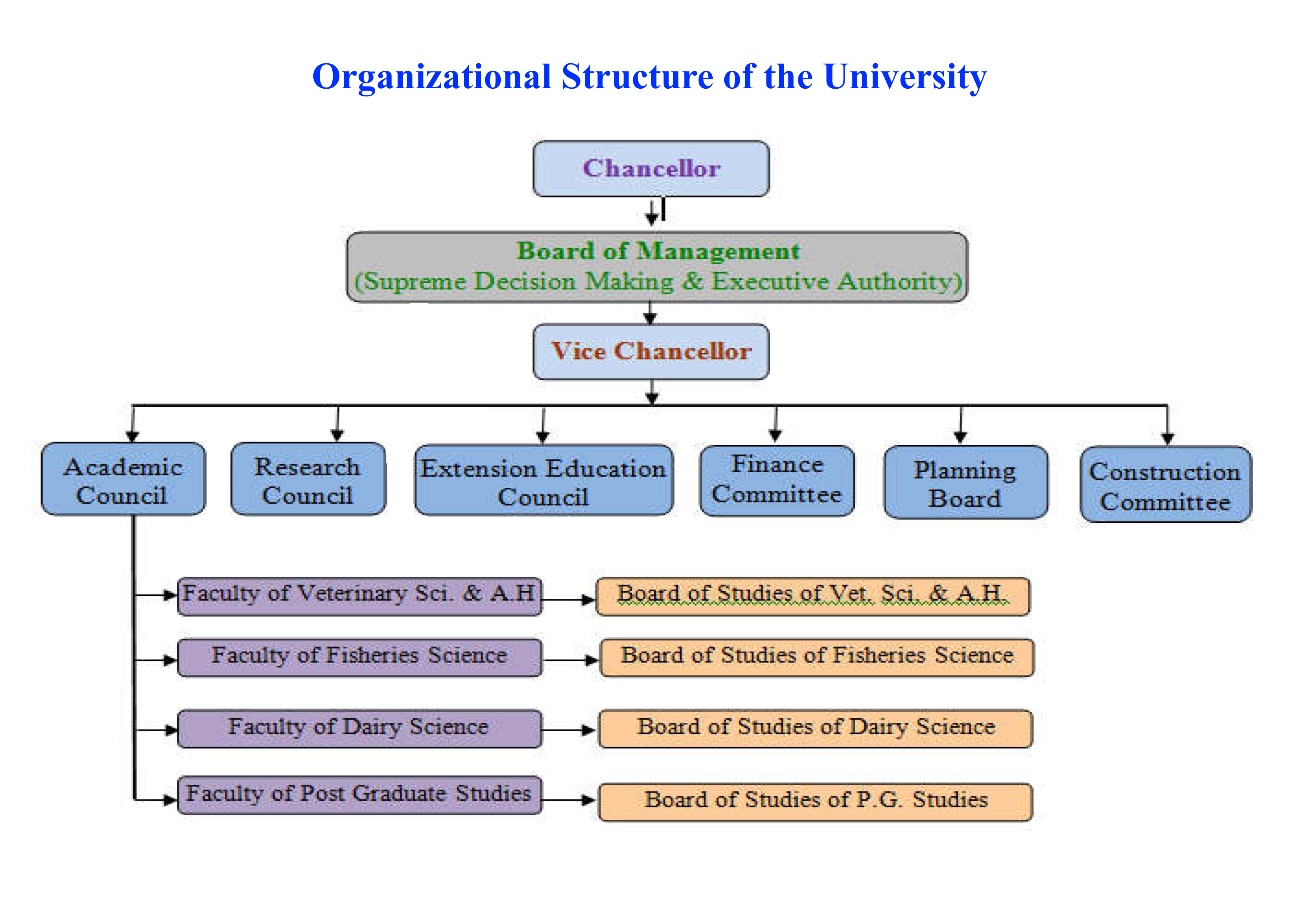
Organizational Structure

University Organizational Chart Template
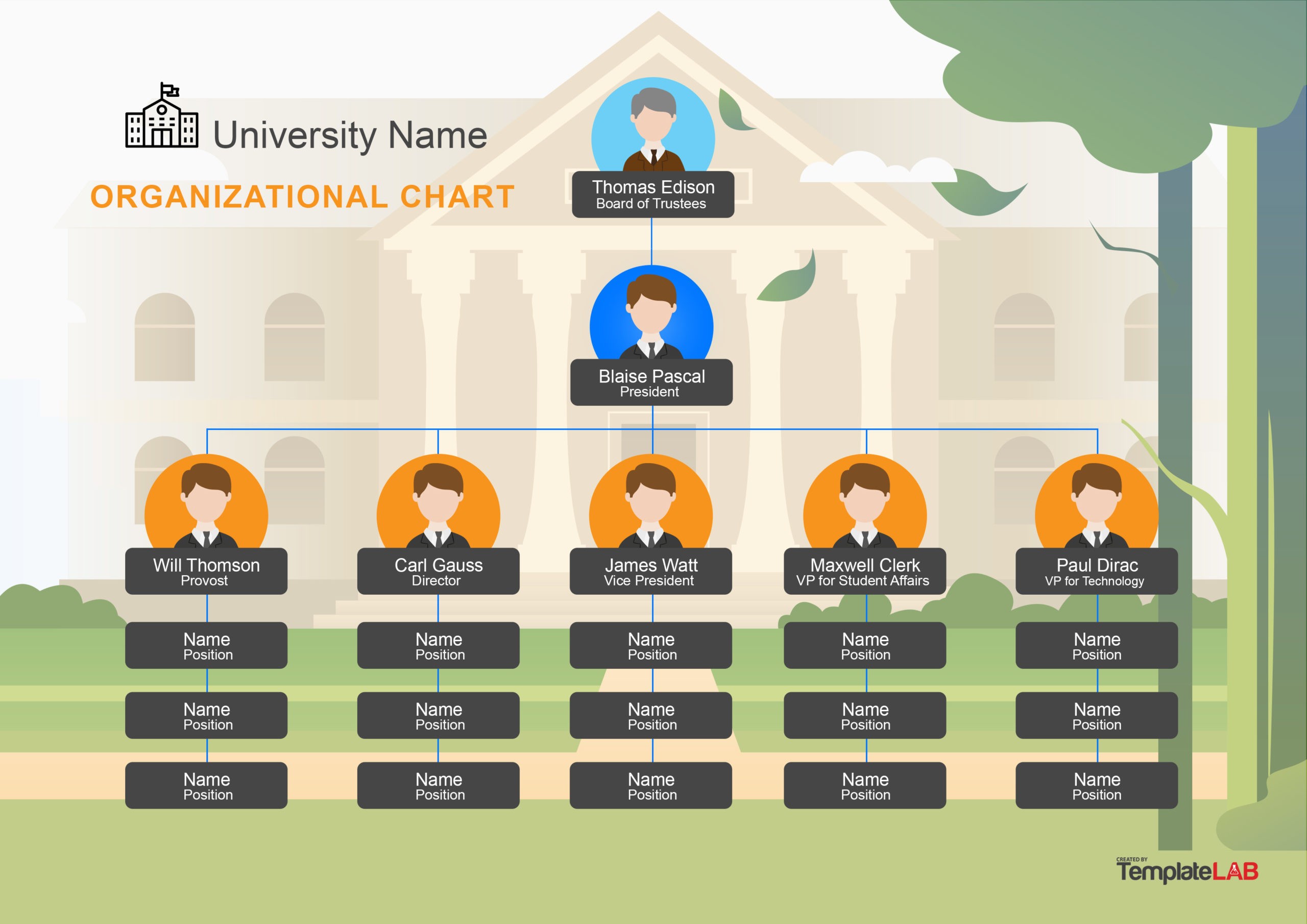
32 Organizational Chart Templates (Word, Excel, PowerPoint, PSD)
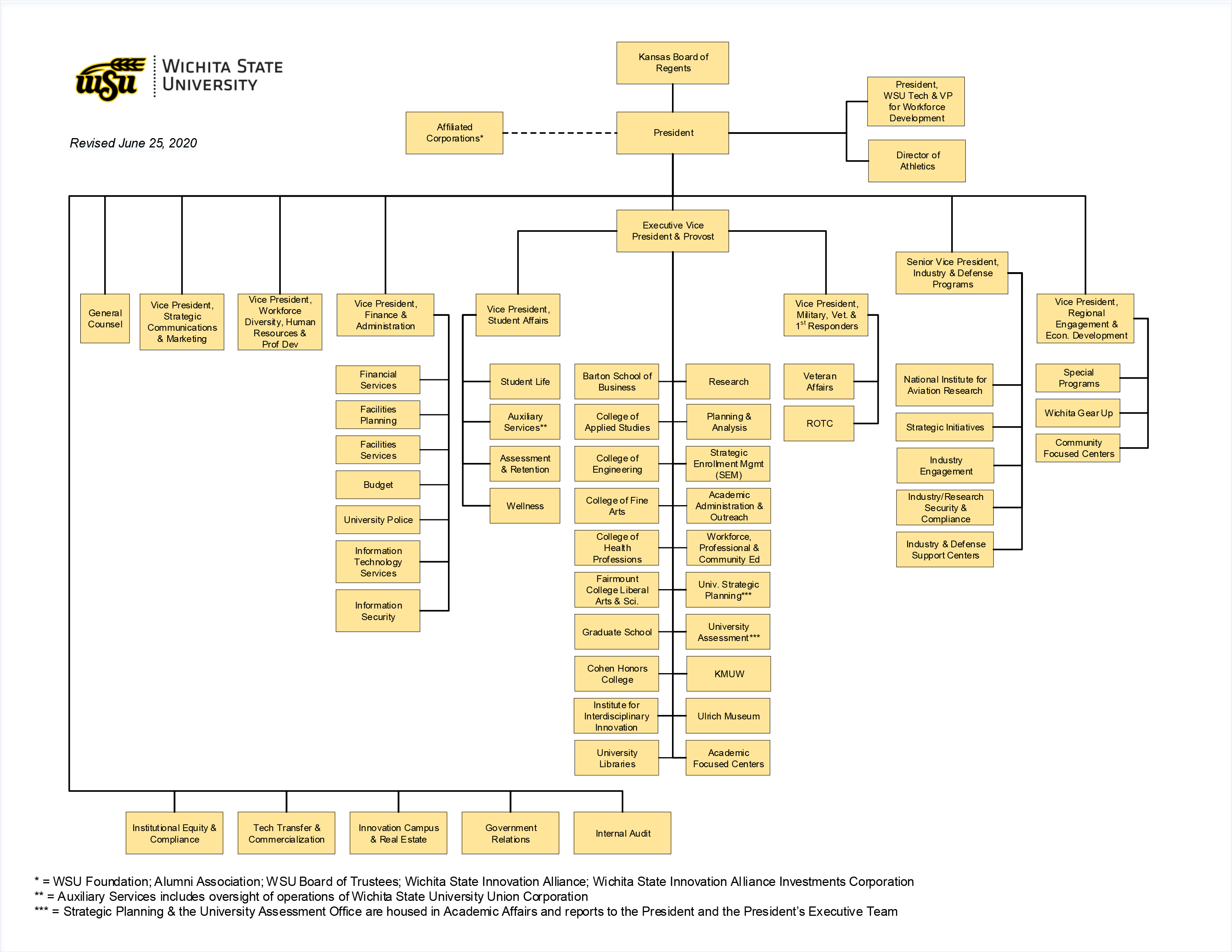
University Organizational Chart
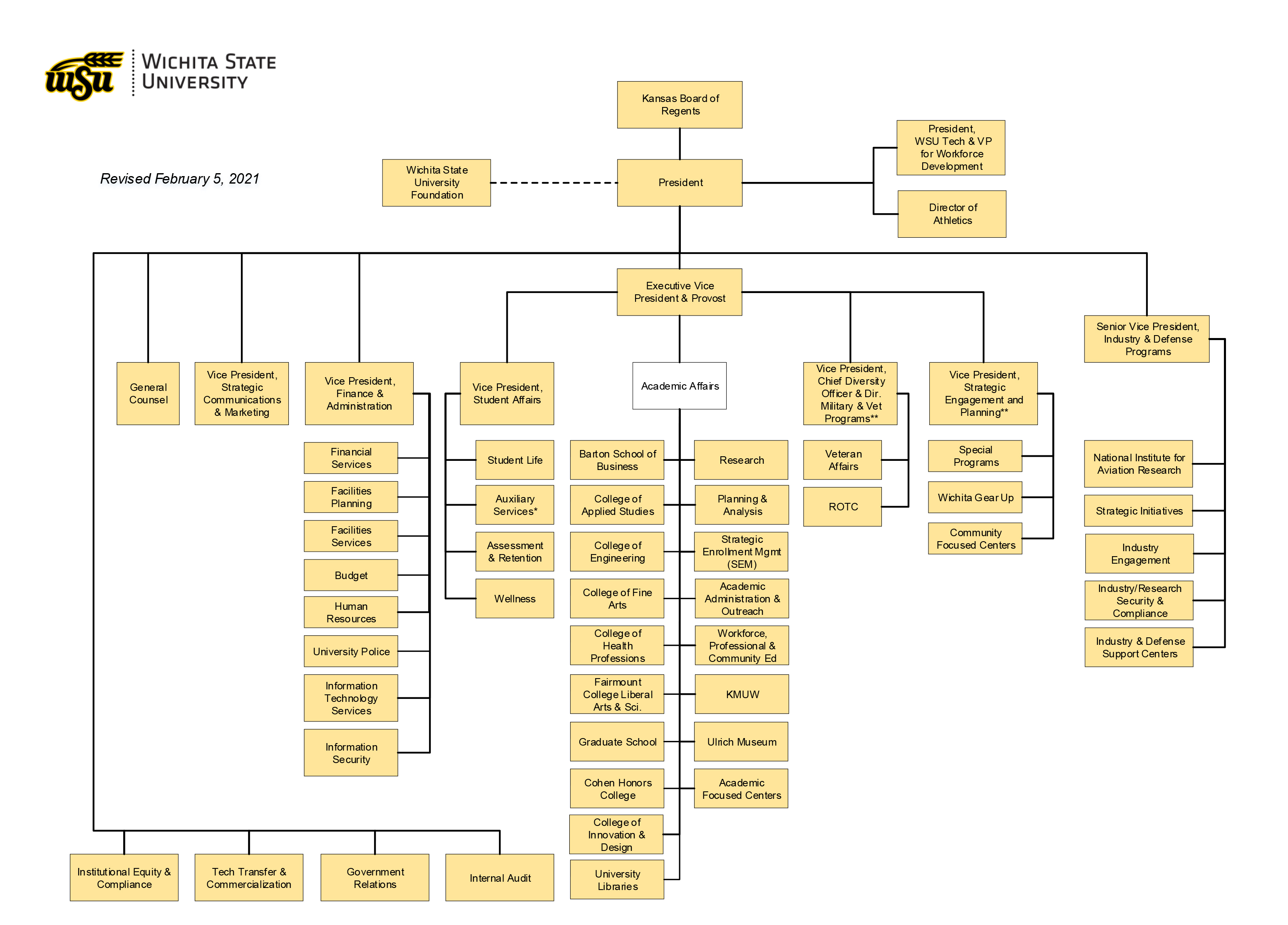
University Organizational Chart
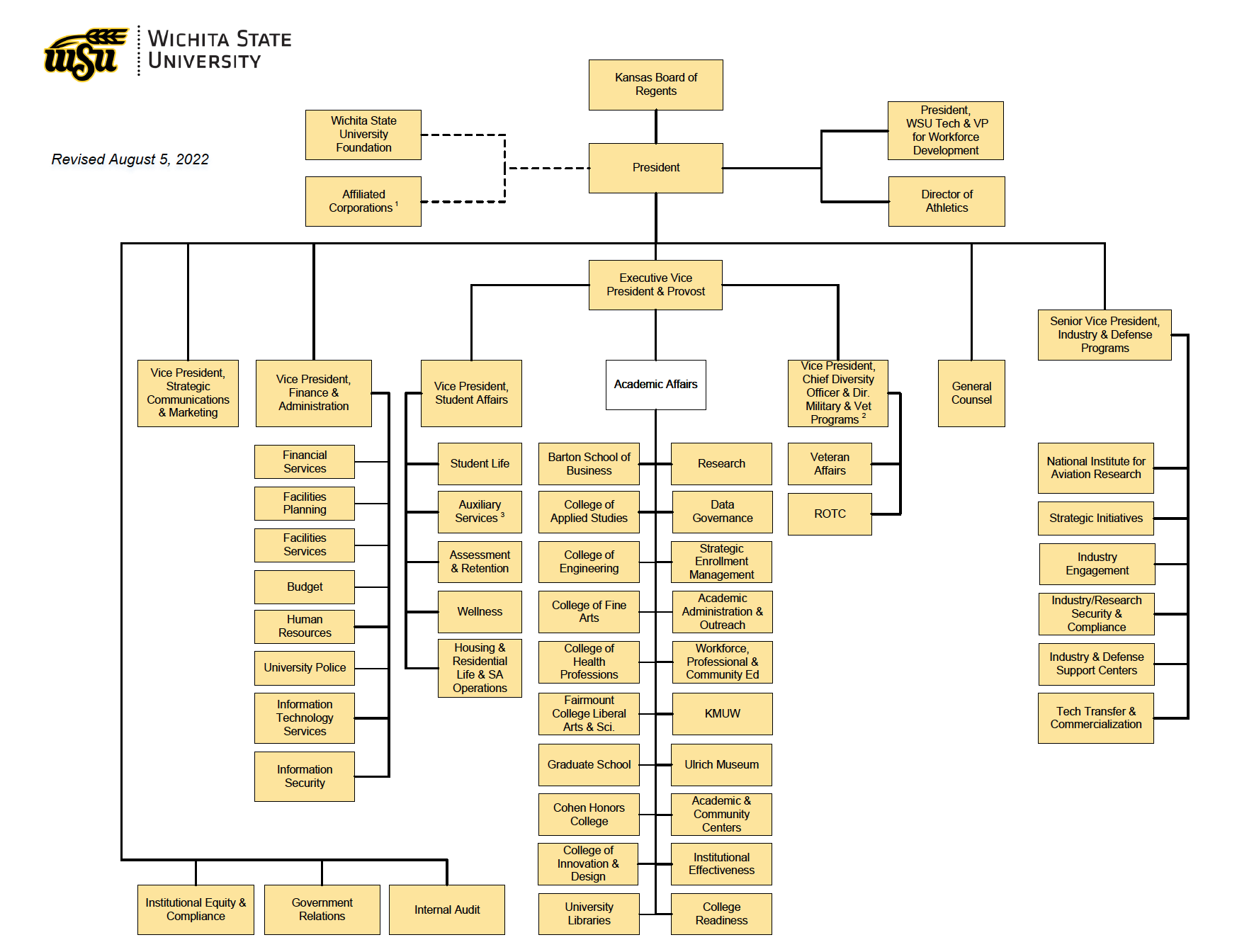
University Organizational Chart
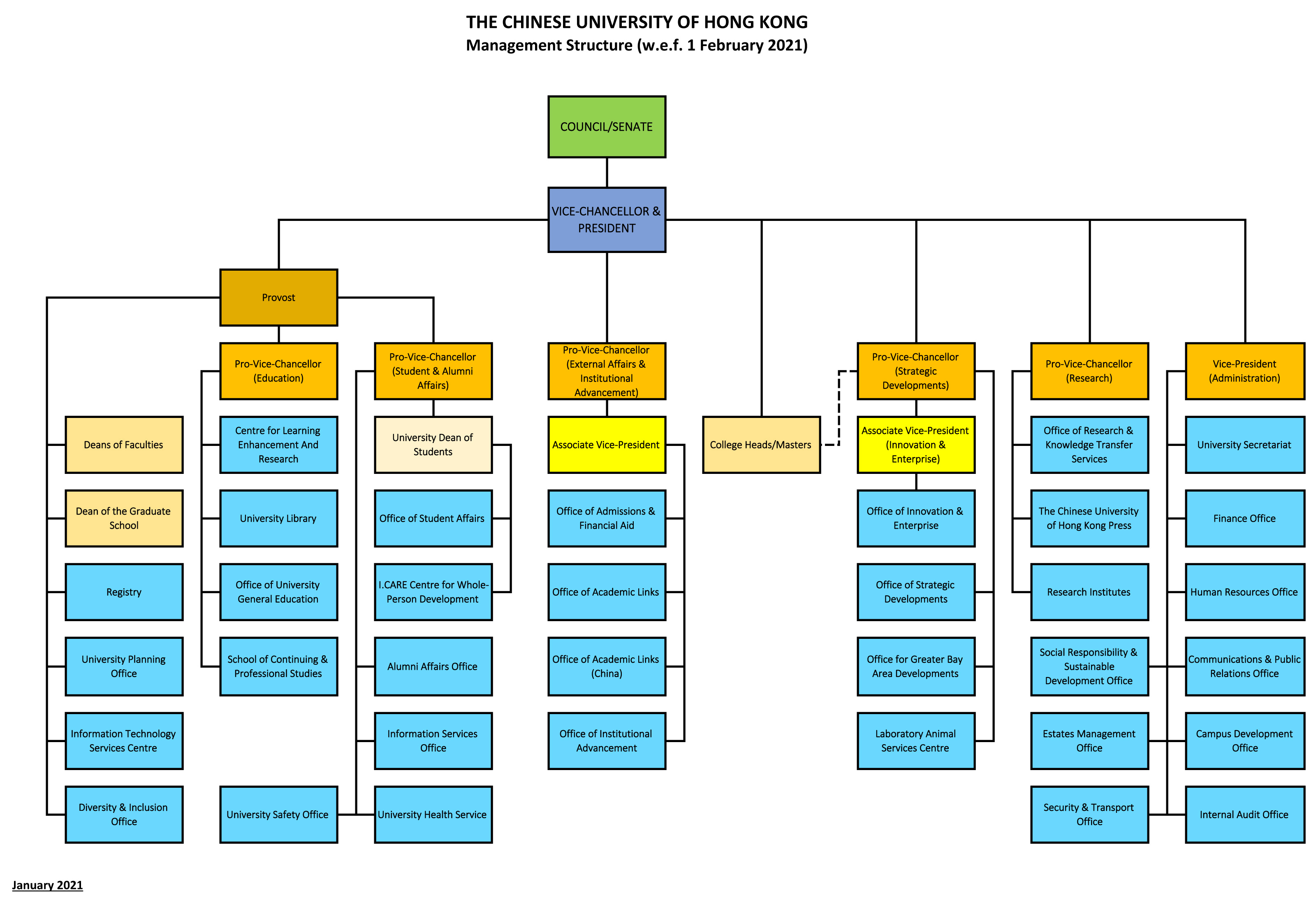
Governance Management Structure University Organization Chart

Top 5 University Organizational Chart Examples Edraw
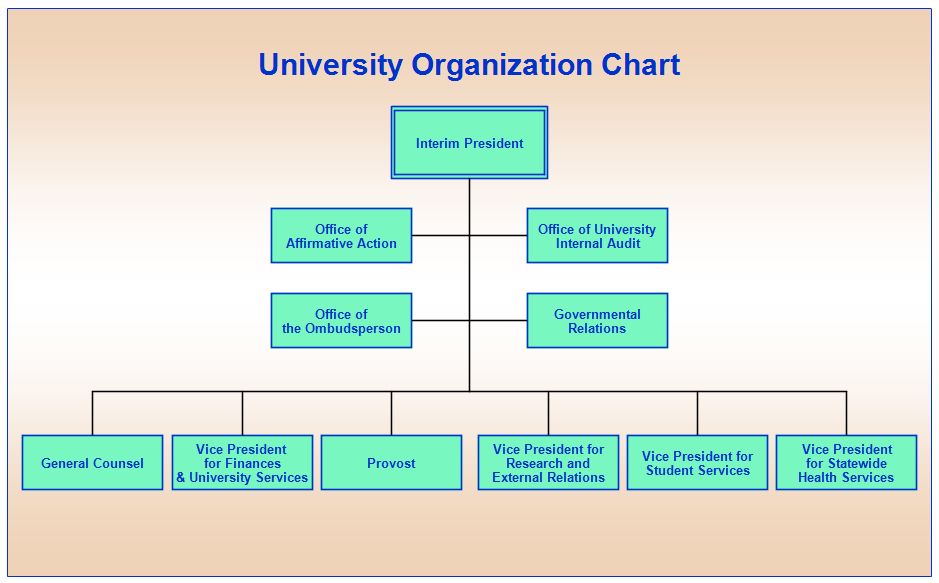
University Organization Chart
The Cell Wall Distinguishes Plant Cells From Animal Cells And Provides Physical Support And.
Gymnosperm, Any Vascular Plant That Reproduces By Means Of An Exposed Seed, Or Ovule—Unlike Angiosperms, Or Flowering Plants, Whose Seeds Are Enclosed By Mature Ovaries, Or Fruits.
A Major Outcome Was Widespread Support Among Botanists And Zoologists For Considering Living Organisms As Constituting Five Separate Kingdoms, Four Of Which Were Placed.
Related Post: