
Proofing Chart Sourdough
Proofing Chart Sourdough - Proofing is near the end of the entire. Why do you proof bread dough multiple times? This process can be done in either a glass bowl at room. Proving which is also known as proofing is the process where the dough is rested to allow the yeast to ferment and produce gas bubbles. While you can proof bread at room temperature on. Proofing bread dough, also known as the final fermentation, is when you let the dough rise between 75 and 80°f. Proofing (aka final fermentation, final rise, second rise, or blooming) is the dough’s final rise that happens after shaping and just before baking. So, what is proving (or proofing)? Mastering your dough’s rise is one crucial step to great bread. And what is bulk fermentation? And what is bulk fermentation? In cooking, proofing (also called proving) is a step in the preparation of yeast bread and other baked goods in which the dough is allowed to rest and rise a final time before baking. Proofing bread dough, also known as the final fermentation, is when you let the dough rise between 75 and 80°f. Mastering your dough’s rise is one crucial step to great bread. So, what is proving (or proofing)? Proofing is near the end of the entire. Why do you proof bread dough multiple times? While you can proof bread at room temperature on. This process can be done in either a glass bowl at room. Proofing (aka final fermentation, final rise, second rise, or blooming) is the dough’s final rise that happens after shaping and just before baking. So, what is proving (or proofing)? Why do you proof bread dough multiple times? Proofing (aka final fermentation, final rise, second rise, or blooming) is the dough’s final rise that happens after shaping and just before baking. Proofing bread dough, also known as the final fermentation, is when you let the dough rise between 75 and 80°f. And what is. Proofing bread dough, also known as the final fermentation, is when you let the dough rise between 75 and 80°f. While you can proof bread at room temperature on. Why do you proof bread dough multiple times? Proofing is near the end of the entire. So, what is proving (or proofing)? In cooking, proofing (also called proving) is a step in the preparation of yeast bread and other baked goods in which the dough is allowed to rest and rise a final time before baking. Proofing (aka final fermentation, final rise, second rise, or blooming) is the dough’s final rise that happens after shaping and just before baking. Mastering your dough’s. Mastering your dough’s rise is one crucial step to great bread. This process can be done in either a glass bowl at room. Proofing (aka final fermentation, final rise, second rise, or blooming) is the dough’s final rise that happens after shaping and just before baking. While you can proof bread at room temperature on. And what is bulk fermentation? Proofing (aka final fermentation, final rise, second rise, or blooming) is the dough’s final rise that happens after shaping and just before baking. Why do you proof bread dough multiple times? In cooking, proofing (also called proving) is a step in the preparation of yeast bread and other baked goods in which the dough is allowed to rest and rise. While you can proof bread at room temperature on. So, what is proving (or proofing)? Proofing is near the end of the entire. Proofing (aka final fermentation, final rise, second rise, or blooming) is the dough’s final rise that happens after shaping and just before baking. Mastering your dough’s rise is one crucial step to great bread. So, what is proving (or proofing)? Why do you proof bread dough multiple times? This process can be done in either a glass bowl at room. Mastering your dough’s rise is one crucial step to great bread. And what is bulk fermentation? Proving which is also known as proofing is the process where the dough is rested to allow the yeast to ferment and produce gas bubbles. While you can proof bread at room temperature on. Proofing is near the end of the entire. Proofing (aka final fermentation, final rise, second rise, or blooming) is the dough’s final rise that happens after. While you can proof bread at room temperature on. Mastering your dough’s rise is one crucial step to great bread. Why do you proof bread dough multiple times? Proofing is near the end of the entire. Proving which is also known as proofing is the process where the dough is rested to allow the yeast to ferment and produce gas. Why do you proof bread dough multiple times? In cooking, proofing (also called proving) is a step in the preparation of yeast bread and other baked goods in which the dough is allowed to rest and rise a final time before baking. Mastering your dough’s rise is one crucial step to great bread. Proofing is near the end of the. Mastering your dough’s rise is one crucial step to great bread. Proofing is near the end of the entire. Why do you proof bread dough multiple times? In cooking, proofing (also called proving) is a step in the preparation of yeast bread and other baked goods in which the dough is allowed to rest and rise a final time before baking. This process can be done in either a glass bowl at room. Proofing (aka final fermentation, final rise, second rise, or blooming) is the dough’s final rise that happens after shaping and just before baking. And what is bulk fermentation? Proving which is also known as proofing is the process where the dough is rested to allow the yeast to ferment and produce gas bubbles.
Sourdough Starter Recipe, Sourdough Baking, Sourdough Recipes, Bread Recipes Homemade, Bread

Sourdough scores bakes gallery Artofit
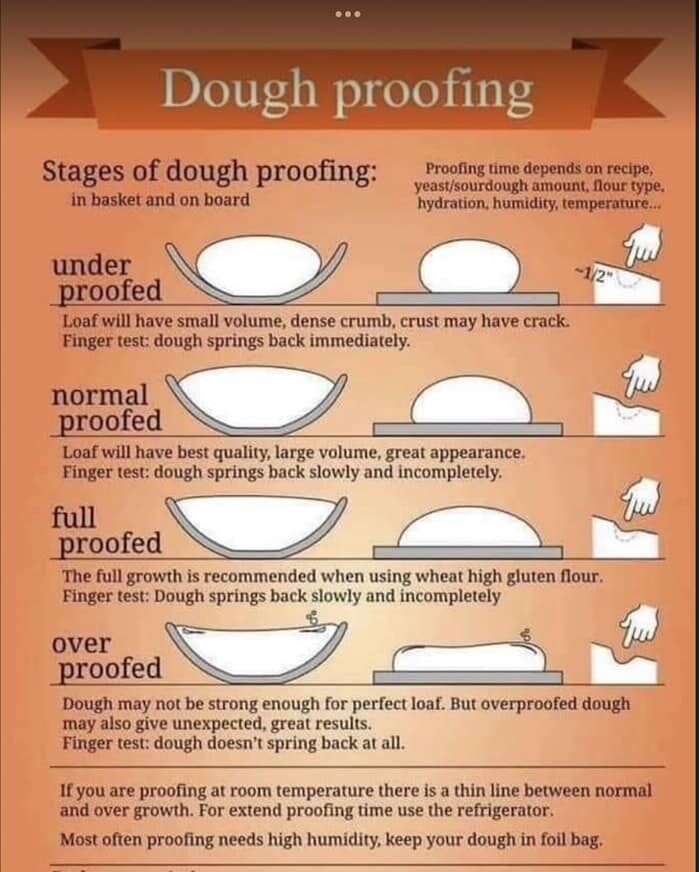
Dough Proofing Diagram Whole Grain
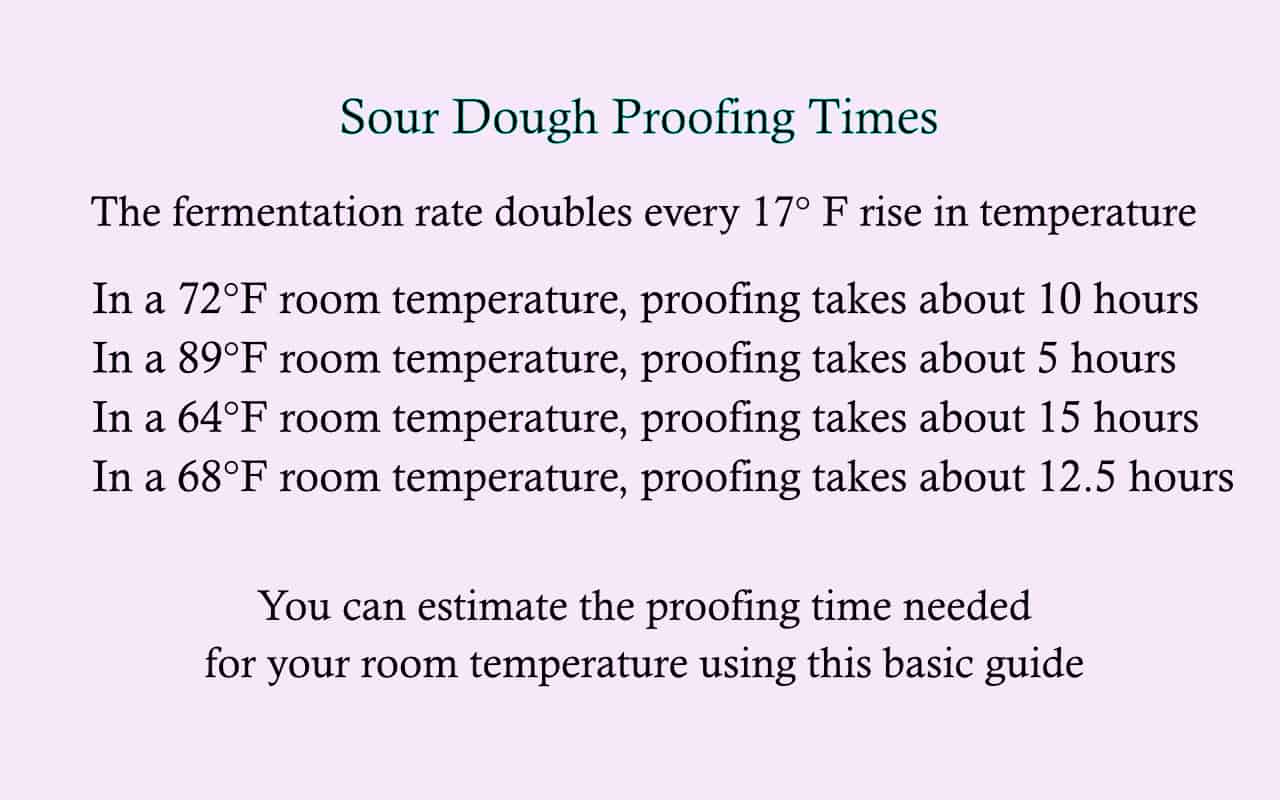
Sourdough Making Schedule
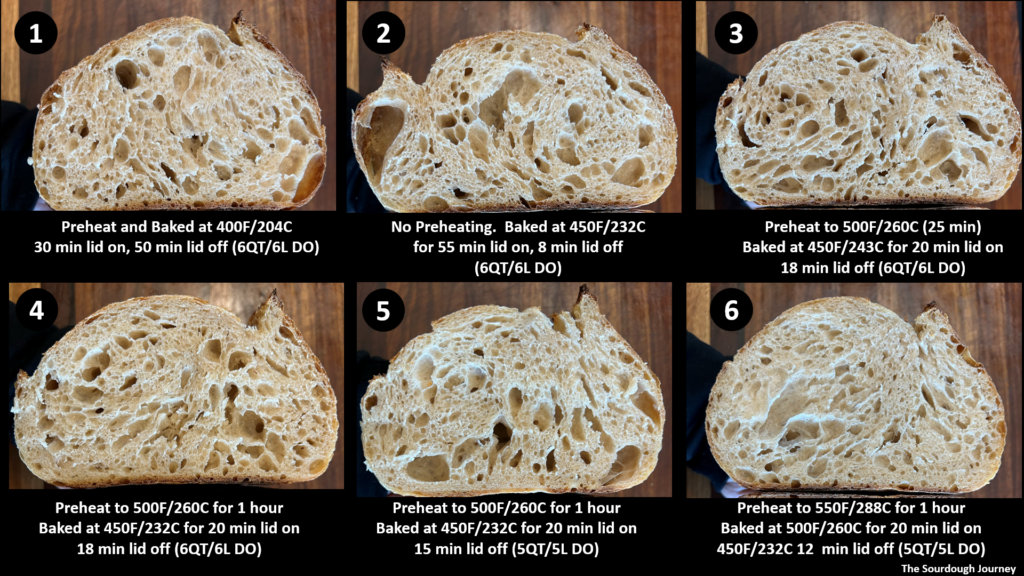
The Secrets of Baking Temperature and Ovenspring The Sourdough Journey
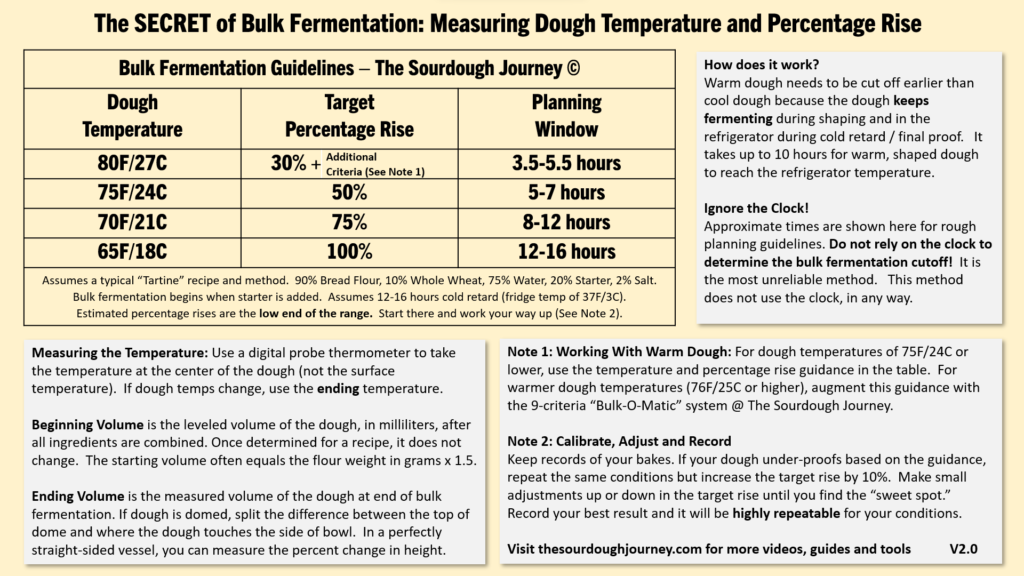
The ULTIMATE Sourdough Bulk Fermentation Guide The Sourdough Journey
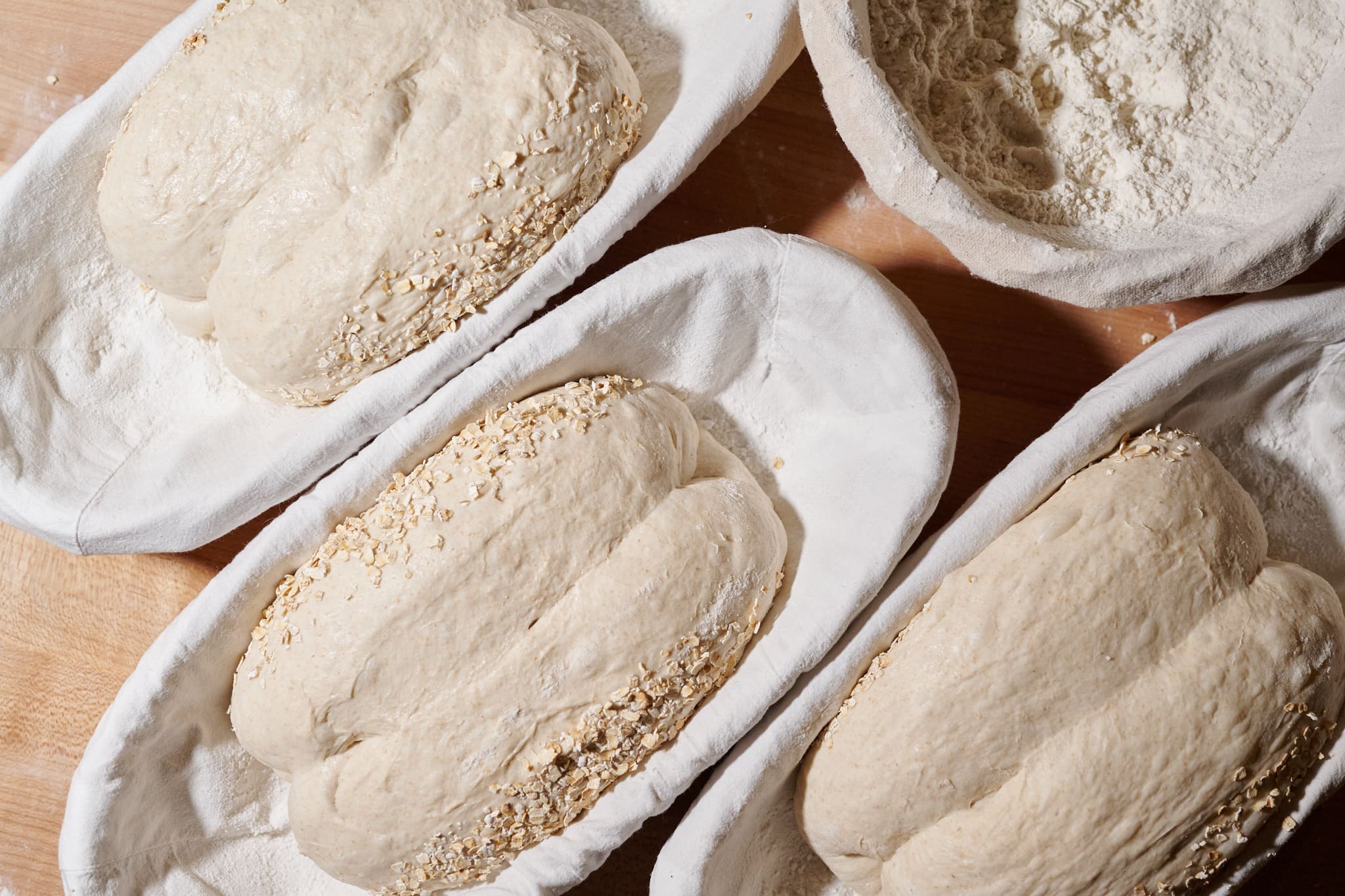
The ultimate guide to proofing bread dough The Perfect Loaf
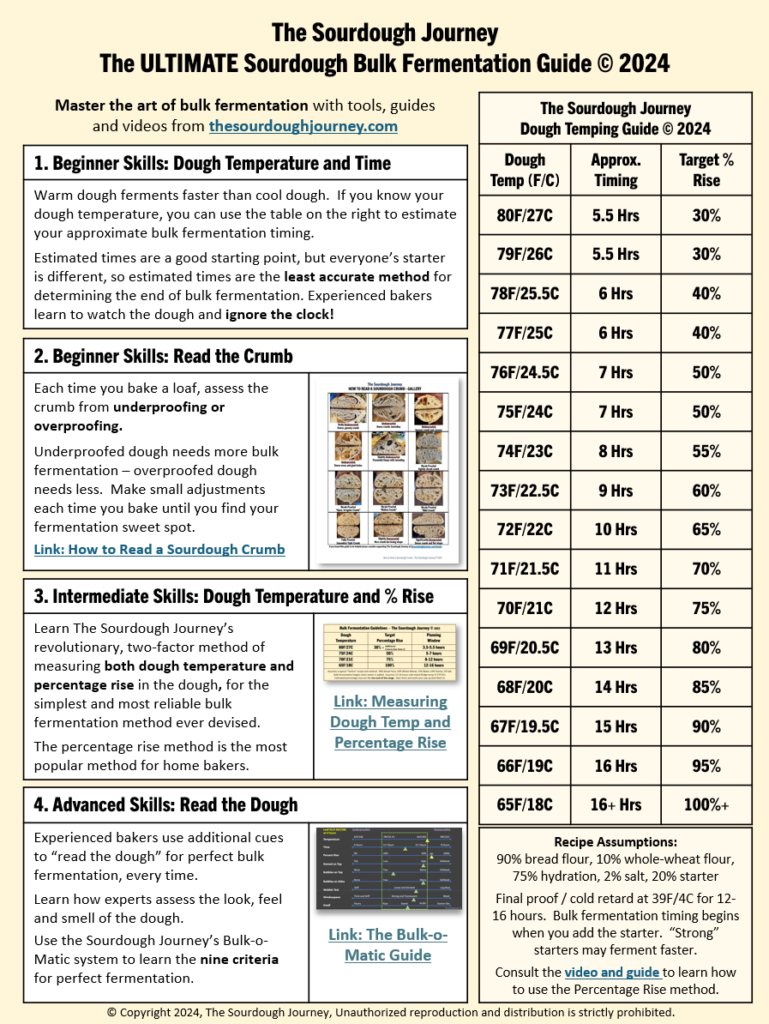
The ULTIMATE Sourdough Bulk Fermentation Guide The Sourdough Journey
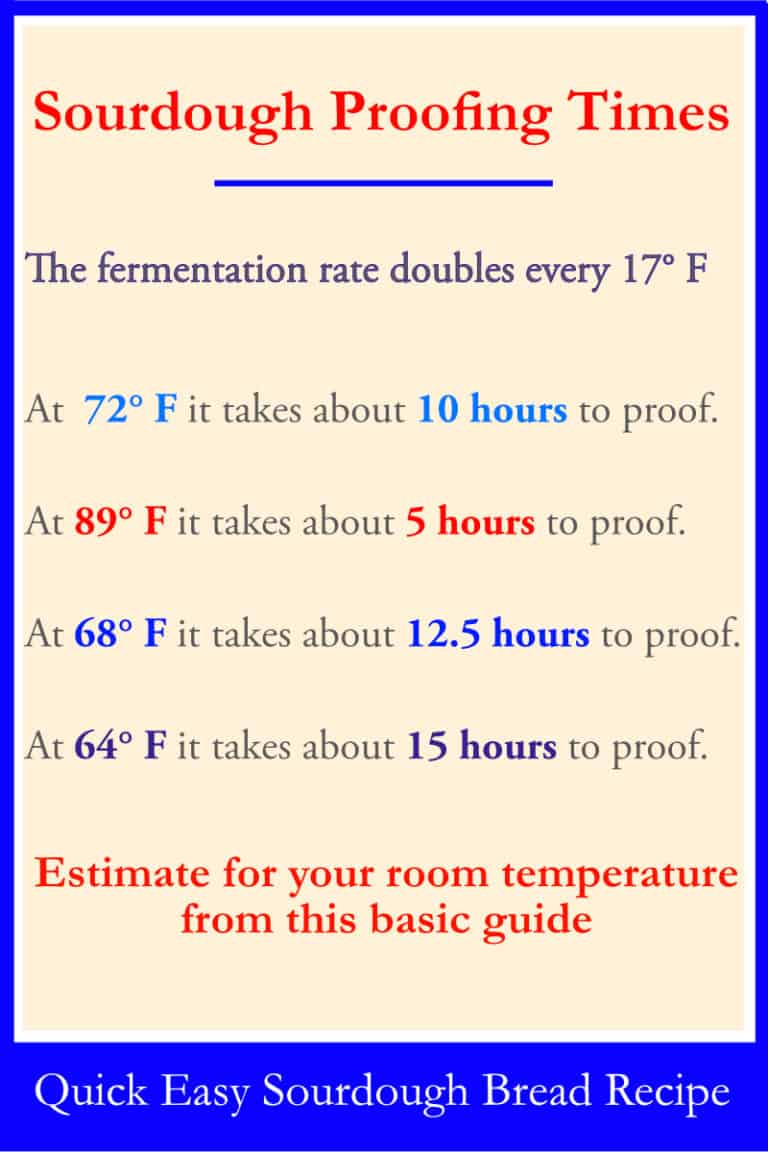
sourdough proofing time chart Archives • Dome Dough Maker and Prep Tool

Sourdough bread chart Artofit
While You Can Proof Bread At Room Temperature On.
Proofing Bread Dough, Also Known As The Final Fermentation, Is When You Let The Dough Rise Between 75 And 80°F.
So, What Is Proving (Or Proofing)?
Related Post: