
Ppi Potency Chart
Ppi Potency Chart - Proton pump inhibitors (ppis) are a group of drugs that reduce the amount of acid in your stomach. They can aid in treating various conditions, such as acid reflux or esophagitis. They can help relieve symptoms of chronic acid reflux (gerd) and stomach ulcers. They decrease acid secretion in your. Proton pump inhibitors (ppis) reduce the production of acid in the wall of the stomach (that produces acid) thereby preventing ulcers and assists in the healing of ulcers that exist on the. Proton pump inhibitors (ppis) are drugs that reduce acid production in the stomach. Proton pump inhibitors (ppis) are a class of medications used to treat conditions involving excess stomach acid, such as gastroesophageal reflux disorder (gerd) and. Proton pump inhibitors (ppis) reduce the production of acid by the stomach. Proton pump inhibitors (ppis) are a group of medicines that decrease stomach acid production. While antacids, like tums, and h2 blockers, like famotidine (pepcid ac), help treat infrequent symptoms, proton pump inhibitors (ppis) are used for more serious or frequent. Proton pump inhibitors (ppis) are drugs that reduce acid production in the stomach. Proton pump inhibitors (ppis) are a group of drugs that reduce the amount of acid in your stomach. They can aid in treating various conditions, such as acid reflux or esophagitis. They can help relieve symptoms of chronic acid reflux (gerd) and stomach ulcers. The producer price index (ppi) is a measure of inflation at the wholesale level. While antacids, like tums, and h2 blockers, like famotidine (pepcid ac), help treat infrequent symptoms, proton pump inhibitors (ppis) are used for more serious or frequent. It's compiled from thousands of indexes that measure producer prices by industry and product. Proton pump inhibitors (ppis) are a group of medicines that decrease stomach acid production. Proton pump inhibitors (ppis) reduce the production of acid by the stomach. They decrease acid secretion in your. Proton pump inhibitors (ppis) reduce the production of acid in the wall of the stomach (that produces acid) thereby preventing ulcers and assists in the healing of ulcers that exist on the. They decrease acid secretion in your. Proton pump inhibitors (ppis) reduce the production of acid by the stomach. They can help relieve symptoms of chronic acid reflux (gerd). They can aid in treating various conditions, such as acid reflux or esophagitis. Proton pump inhibitors (ppis) reduce the production of acid by the stomach. Proton pump inhibitors (ppis) are common medications best known by their brand names, including nexium, prevacid and prilosec. They decrease acid secretion in your. Proton pump inhibitors (ppis) are a group of medicines that decrease. It's compiled from thousands of indexes that measure producer prices by industry and product. Proton pump inhibitors (ppis) are a class of medications used to treat conditions involving excess stomach acid, such as gastroesophageal reflux disorder (gerd) and. Proton pump inhibitors (ppis) are common medications best known by their brand names, including nexium, prevacid and prilosec. Proton pump inhibitors (ppis). Proton pump inhibitors (ppis) reduce the production of acid by the stomach. Proton pump inhibitors (ppis) are a class of medications used to treat conditions involving excess stomach acid, such as gastroesophageal reflux disorder (gerd) and. Proton pump inhibitors (ppis) are drugs that reduce acid production in the stomach. Proton pump inhibitors (ppis) are a group of medicines that decrease. They can help relieve symptoms of chronic acid reflux (gerd) and stomach ulcers. Proton pump inhibitors (ppis) are common medications best known by their brand names, including nexium, prevacid and prilosec. While antacids, like tums, and h2 blockers, like famotidine (pepcid ac), help treat infrequent symptoms, proton pump inhibitors (ppis) are used for more serious or frequent. The producer price. Proton pump inhibitors (ppis) reduce the production of acid by the stomach. They can aid in treating various conditions, such as acid reflux or esophagitis. While antacids, like tums, and h2 blockers, like famotidine (pepcid ac), help treat infrequent symptoms, proton pump inhibitors (ppis) are used for more serious or frequent. Proton pump inhibitors (ppis) are a group of drugs. Proton pump inhibitors (ppis) reduce the production of acid in the wall of the stomach (that produces acid) thereby preventing ulcers and assists in the healing of ulcers that exist on the. They decrease acid secretion in your. Proton pump inhibitors (ppis) reduce the production of acid by the stomach. They can help relieve symptoms of chronic acid reflux (gerd). Proton pump inhibitors (ppis) are common medications best known by their brand names, including nexium, prevacid and prilosec. Proton pump inhibitors (ppis) reduce the production of acid in the wall of the stomach (that produces acid) thereby preventing ulcers and assists in the healing of ulcers that exist on the. Proton pump inhibitors (ppis) are a class of medications used. They can help relieve symptoms of chronic acid reflux (gerd) and stomach ulcers. Proton pump inhibitors (ppis) reduce the production of acid in the wall of the stomach (that produces acid) thereby preventing ulcers and assists in the healing of ulcers that exist on the. They work by irreversibly blocking an enzyme called h+/k+ atpase which controls acid production. While. The producer price index (ppi) is a measure of inflation at the wholesale level. They can help relieve symptoms of chronic acid reflux (gerd) and stomach ulcers. Proton pump inhibitors (ppis) are common medications best known by their brand names, including nexium, prevacid and prilosec. They work by irreversibly blocking an enzyme called h+/k+ atpase which controls acid production. Proton. The producer price index (ppi) is a measure of inflation at the wholesale level. Proton pump inhibitors (ppis) are common medications best known by their brand names, including nexium, prevacid and prilosec. Proton pump inhibitors (ppis) are a group of drugs that reduce the amount of acid in your stomach. They can help relieve symptoms of chronic acid reflux (gerd) and stomach ulcers. Proton pump inhibitors (ppis) reduce the production of acid in the wall of the stomach (that produces acid) thereby preventing ulcers and assists in the healing of ulcers that exist on the. Proton pump inhibitors (ppis) are a group of medicines that decrease stomach acid production. While antacids, like tums, and h2 blockers, like famotidine (pepcid ac), help treat infrequent symptoms, proton pump inhibitors (ppis) are used for more serious or frequent. Proton pump inhibitors (ppis) reduce the production of acid by the stomach. It's compiled from thousands of indexes that measure producer prices by industry and product. They work by irreversibly blocking an enzyme called h+/k+ atpase which controls acid production. They decrease acid secretion in your.
Proton Pump Inhibitor Conversion Chart
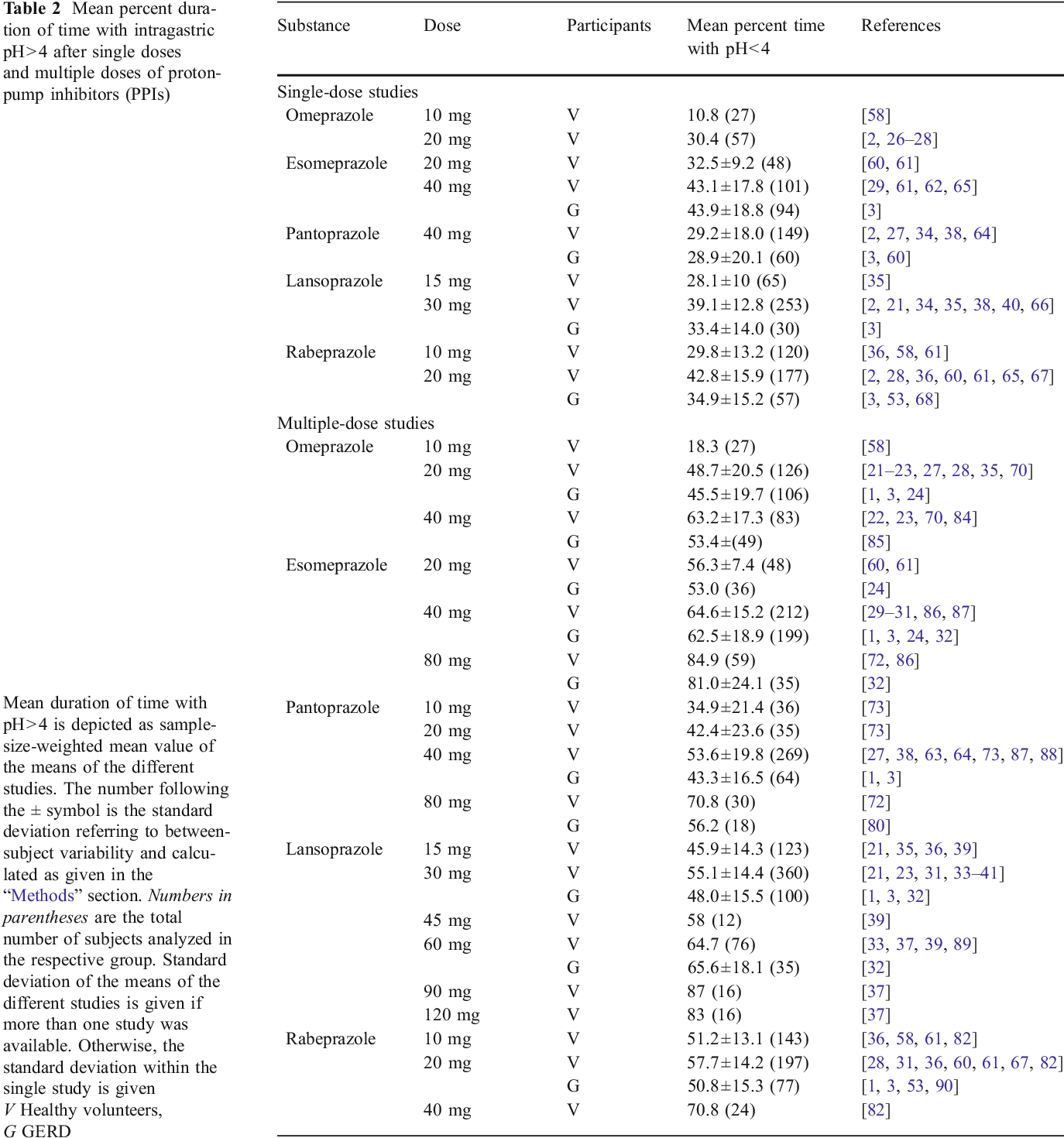
Proton Pump Inhibitor Comparison Chart A Visual Reference of Charts Chart Master

Treatment with clopidogrel and proton pump inhibitors in combination a review of emerging evidence

Proton Pump Inhibitor Comparison Chart Proton Pump Inhibitor
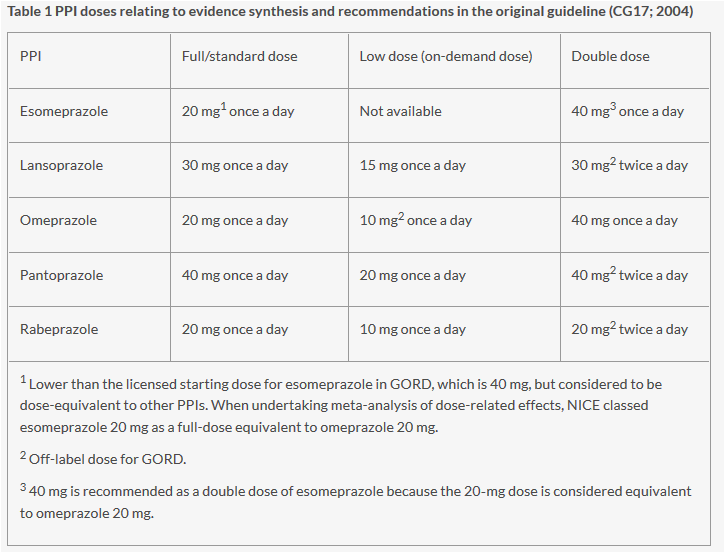
PPI Conversion Chart

Proton Pump Inhibitor Comparison Chart A Visual Reference of Charts Chart Master
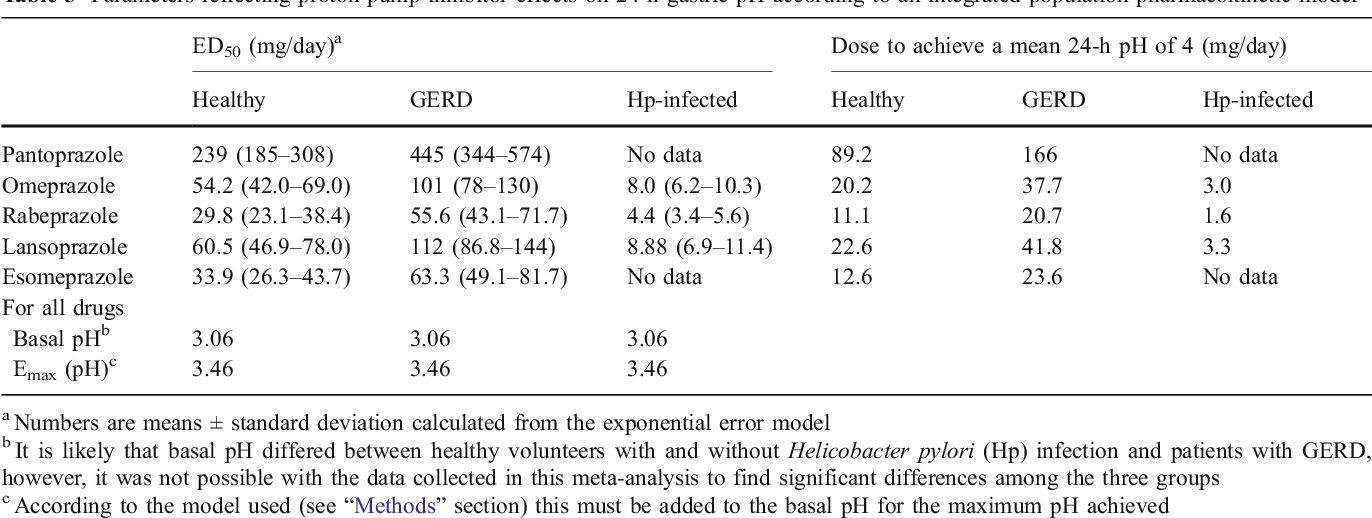
Proton Pump Inhibitor Comparison Chart A Visual Reference of Charts Chart Master

Proton Pump Inhibitor Comparison Chart A Visual Reference of Charts Chart Master

Proton Pump Inhibitor Comparison Chart A Visual Reference of Charts Chart Master
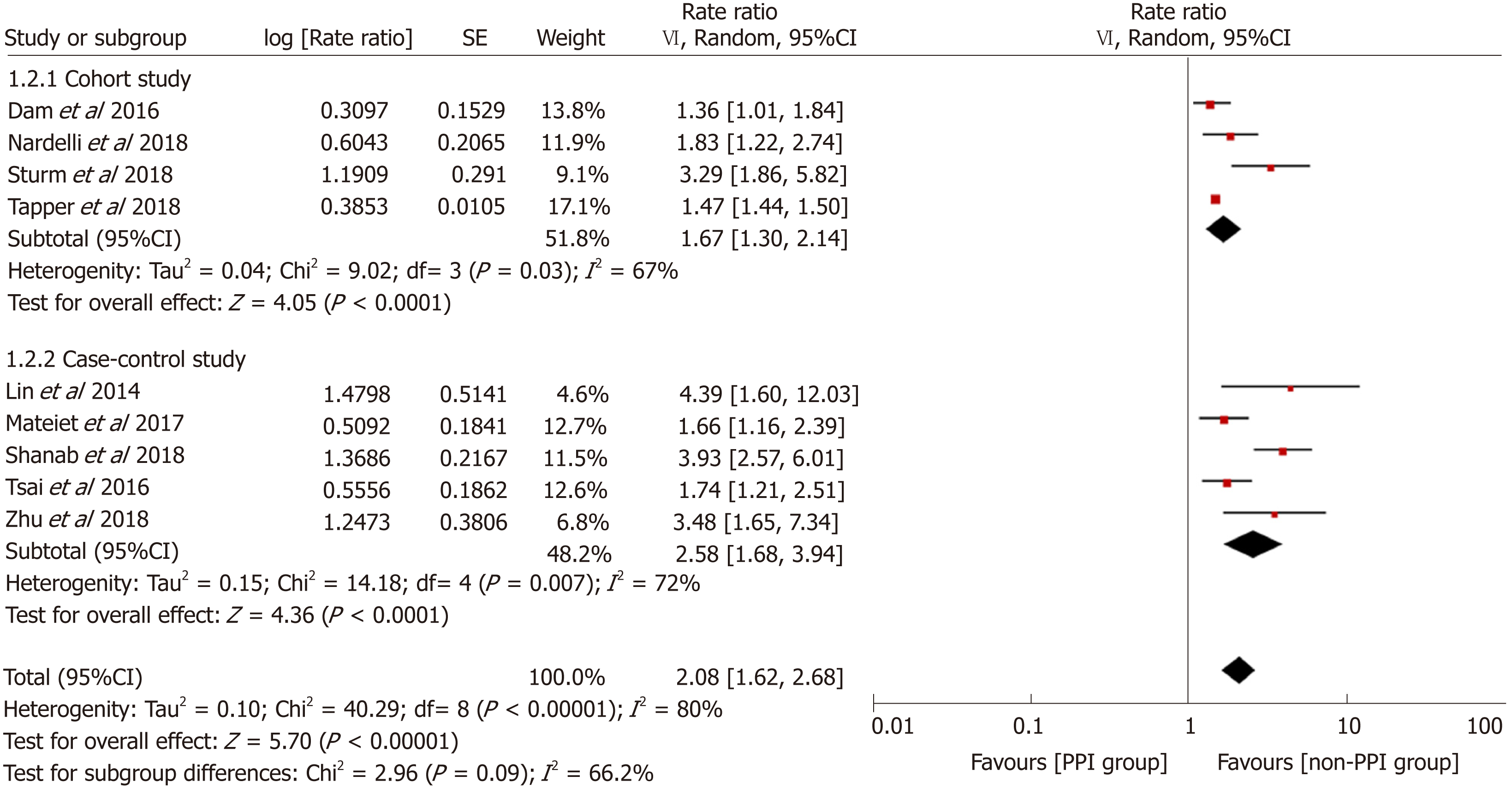
Proton Pump Inhibitor Comparison Chart A Visual Reference of Charts Chart Master
Proton Pump Inhibitors (Ppis) Are A Class Of Medications Used To Treat Conditions Involving Excess Stomach Acid, Such As Gastroesophageal Reflux Disorder (Gerd) And.
They Can Aid In Treating Various Conditions, Such As Acid Reflux Or Esophagitis.
Proton Pump Inhibitors (Ppis) Are Drugs That Reduce Acid Production In The Stomach.
Related Post: