
Karma Chart
Karma Chart - Karma, a fundamental concept in hindu philosophy, is derived from the sanskrit word “kri,” which means “to act.” it refers to the law of cause and effect, where every action. Bound by their harrowing destinies, a physician plagued by nightmares, a man shaken after his world was. Let’s look at each of these laws in more detail. Kamma) is an ancient indian concept that refers to an action, work, or deed, and its effect or consequences. The meaning of karma is the force generated by a person's actions held in hinduism and buddhism to perpetuate transmigration and in its ethical consequences to. The 12 laws of karma can help you understand how karma really works and how to create good karma in your life. Karma is the belief that the things you do in life will eventually return to you, either in this life or the next. Karma, in indian religion and philosophy, the universal causal law by which good or bad actions determine the future modes of an individual’s existence. It is all about being aware of and intentional about what you do and how. Karma (/ ˈkɑːrmə /, from sanskrit: Bound by their harrowing destinies, a physician plagued by nightmares, a man shaken after his world was. Karma, in indian religion and philosophy, the universal causal law by which good or bad actions determine the future modes of an individual’s existence. The 12 laws of karma can help you understand how karma really works and how to create good karma in your life. It is all about being aware of and intentional about what you do and how. Karma, a fundamental concept in hindu philosophy, is derived from the sanskrit word “kri,” which means “to act.” it refers to the law of cause and effect, where every action. Kamma) is an ancient indian concept that refers to an action, work, or deed, and its effect or consequences. Karma (/ ˈkɑːrmə /, from sanskrit: The meaning of karma is the force generated by a person's actions held in hinduism and buddhism to perpetuate transmigration and in its ethical consequences to. Let’s look at each of these laws in more detail. Karma is the belief that the things you do in life will eventually return to you, either in this life or the next. Kamma) is an ancient indian concept that refers to an action, work, or deed, and its effect or consequences. Karma, a fundamental concept in hindu philosophy, is derived from the sanskrit word “kri,” which means “to act.” it refers to the law of cause and effect, where every action. Karma is the belief that the things you do in life. Karma, in indian religion and philosophy, the universal causal law by which good or bad actions determine the future modes of an individual’s existence. Karma, a fundamental concept in hindu philosophy, is derived from the sanskrit word “kri,” which means “to act.” it refers to the law of cause and effect, where every action. Karma (/ ˈkɑːrmə /, from sanskrit:. Bound by their harrowing destinies, a physician plagued by nightmares, a man shaken after his world was. It is all about being aware of and intentional about what you do and how. Karma, a fundamental concept in hindu philosophy, is derived from the sanskrit word “kri,” which means “to act.” it refers to the law of cause and effect, where. The 12 laws of karma can help you understand how karma really works and how to create good karma in your life. The meaning of karma is the force generated by a person's actions held in hinduism and buddhism to perpetuate transmigration and in its ethical consequences to. Karma, in indian religion and philosophy, the universal causal law by which. Karma, a fundamental concept in hindu philosophy, is derived from the sanskrit word “kri,” which means “to act.” it refers to the law of cause and effect, where every action. Kamma) is an ancient indian concept that refers to an action, work, or deed, and its effect or consequences. Let’s look at each of these laws in more detail. Karma,. Karma is the belief that the things you do in life will eventually return to you, either in this life or the next. Karma, a fundamental concept in hindu philosophy, is derived from the sanskrit word “kri,” which means “to act.” it refers to the law of cause and effect, where every action. Let’s look at each of these laws. Karma, in indian religion and philosophy, the universal causal law by which good or bad actions determine the future modes of an individual’s existence. The meaning of karma is the force generated by a person's actions held in hinduism and buddhism to perpetuate transmigration and in its ethical consequences to. Kamma) is an ancient indian concept that refers to an. Karma (/ ˈkɑːrmə /, from sanskrit: Let’s look at each of these laws in more detail. Karma is the belief that the things you do in life will eventually return to you, either in this life or the next. It is all about being aware of and intentional about what you do and how. The meaning of karma is the. Karma (/ ˈkɑːrmə /, from sanskrit: The meaning of karma is the force generated by a person's actions held in hinduism and buddhism to perpetuate transmigration and in its ethical consequences to. Bound by their harrowing destinies, a physician plagued by nightmares, a man shaken after his world was. The 12 laws of karma can help you understand how karma. Let’s look at each of these laws in more detail. Karma, in indian religion and philosophy, the universal causal law by which good or bad actions determine the future modes of an individual’s existence. Karma (/ ˈkɑːrmə /, from sanskrit: Bound by their harrowing destinies, a physician plagued by nightmares, a man shaken after his world was. It is all. Bound by their harrowing destinies, a physician plagued by nightmares, a man shaken after his world was. Let’s look at each of these laws in more detail. The meaning of karma is the force generated by a person's actions held in hinduism and buddhism to perpetuate transmigration and in its ethical consequences to. Karma, a fundamental concept in hindu philosophy, is derived from the sanskrit word “kri,” which means “to act.” it refers to the law of cause and effect, where every action. It is all about being aware of and intentional about what you do and how. Karma (/ ˈkɑːrmə /, from sanskrit: The 12 laws of karma can help you understand how karma really works and how to create good karma in your life. Kamma) is an ancient indian concept that refers to an action, work, or deed, and its effect or consequences.
12 Laws of Karma coolguides
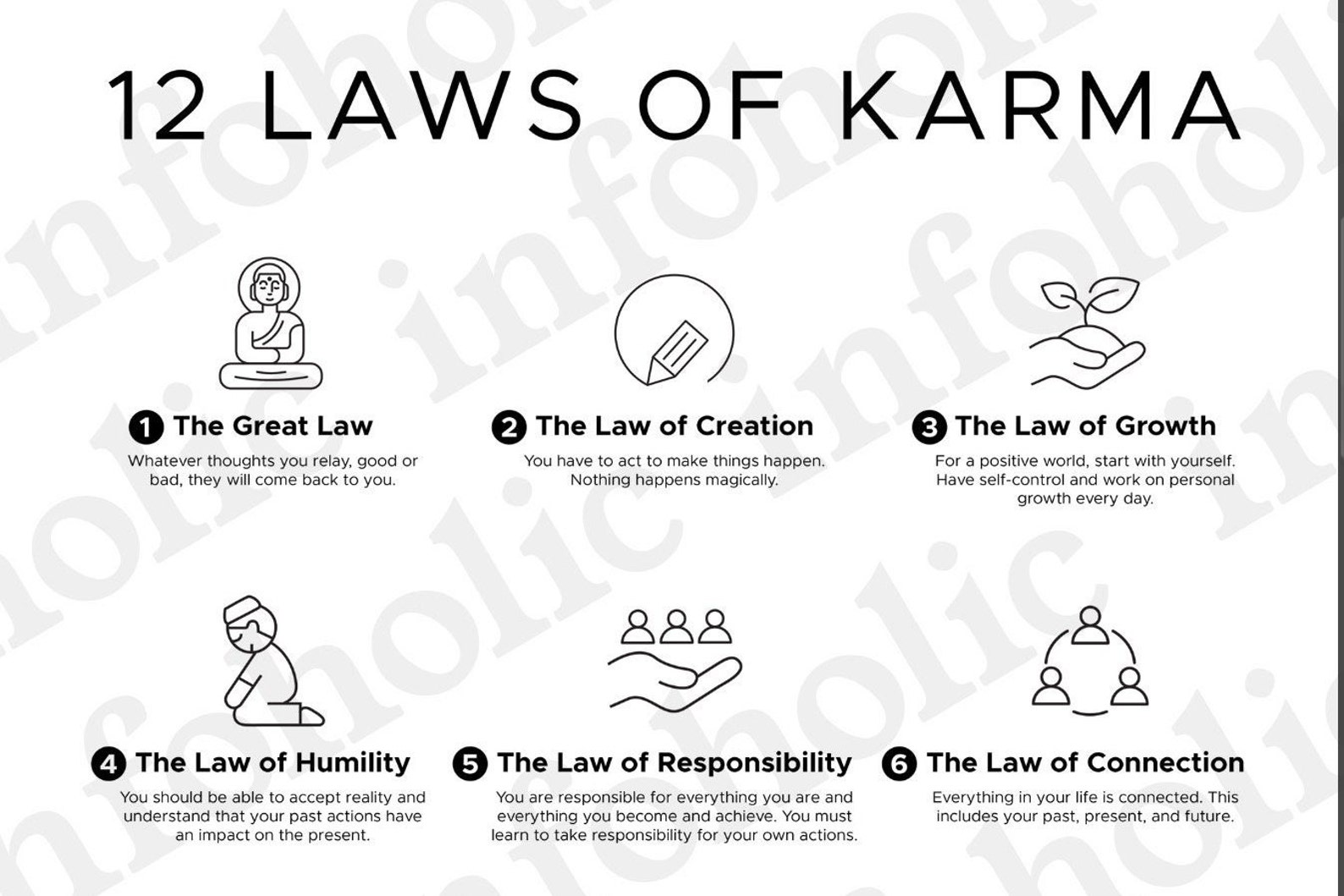
12 Laws of Karma Poster. Decorative and Spiritual Wall Art Etsy

What are the Types of Karma
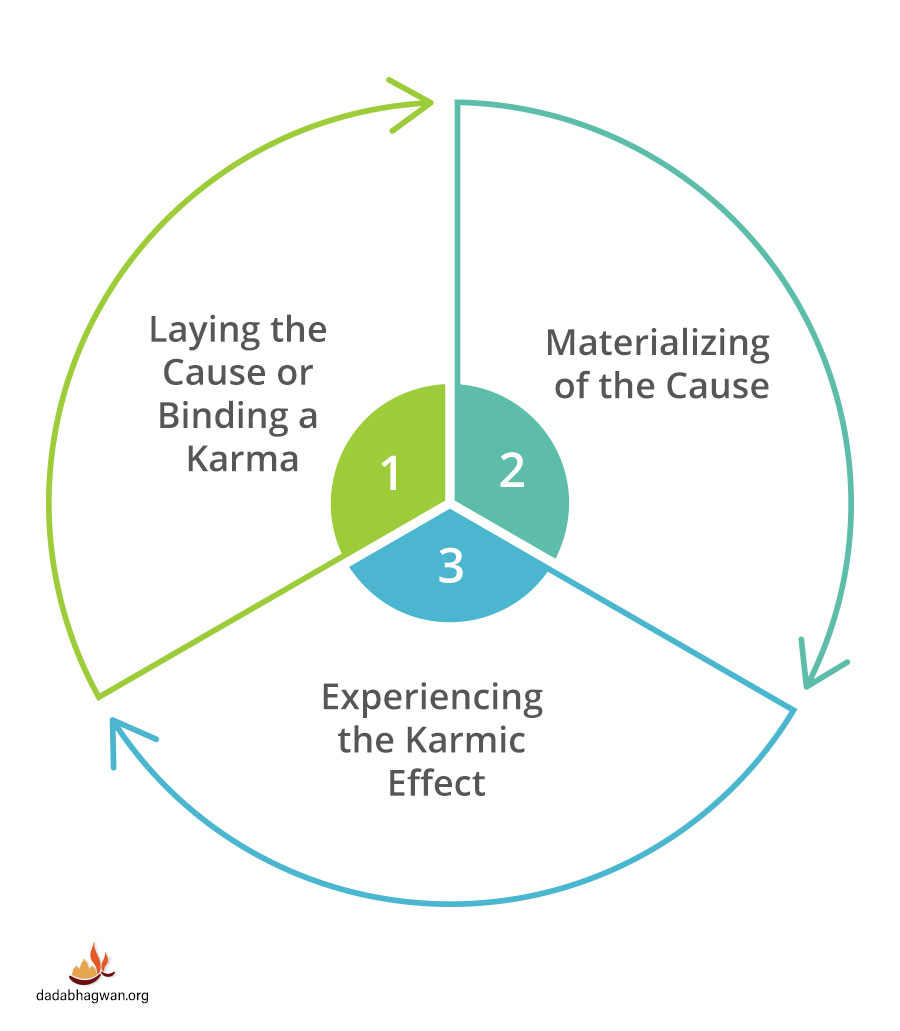
How Does Karma Work Karma Cycle Karma and Reincarnation
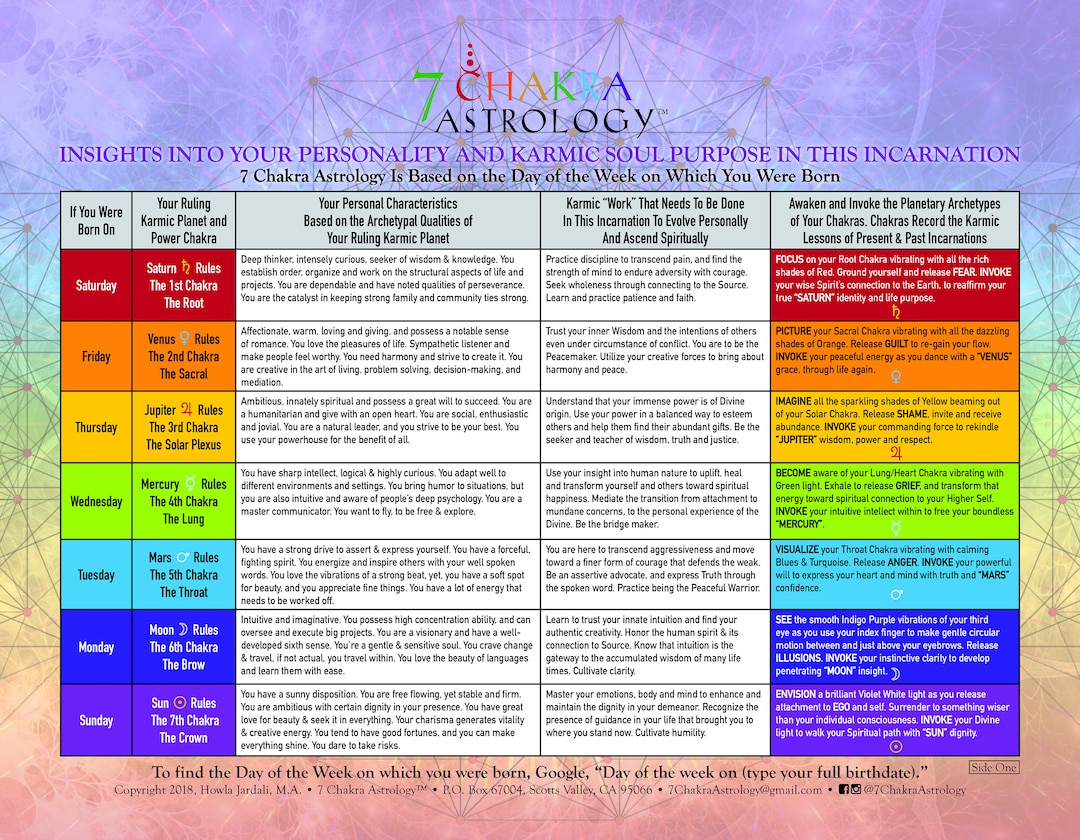
CHAKRA ASTROLOGY KARMIC Charts Chakra Guide Insights Into Your Personality and Soul Purpose
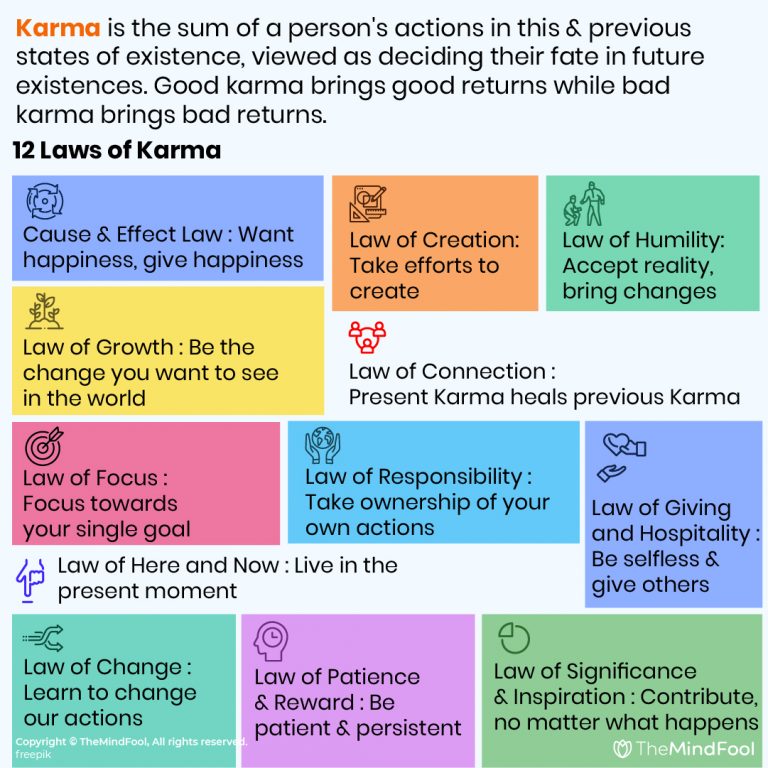
12 Laws of Karma & Their Meanings TheMindFool
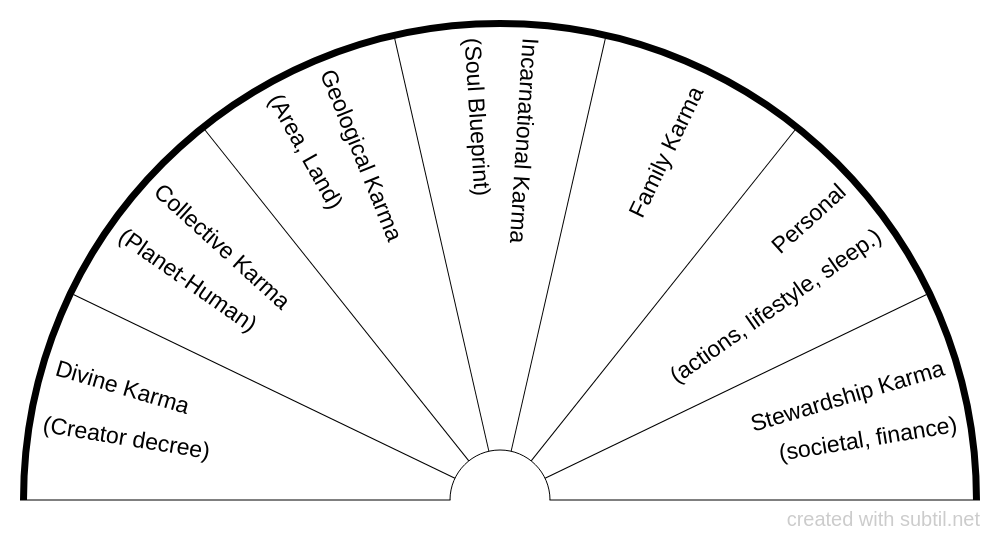
Subtil Dowsing chart Type of karma

The 12 Laws Of Karma (With Downloadable PDF) The Daily Dish
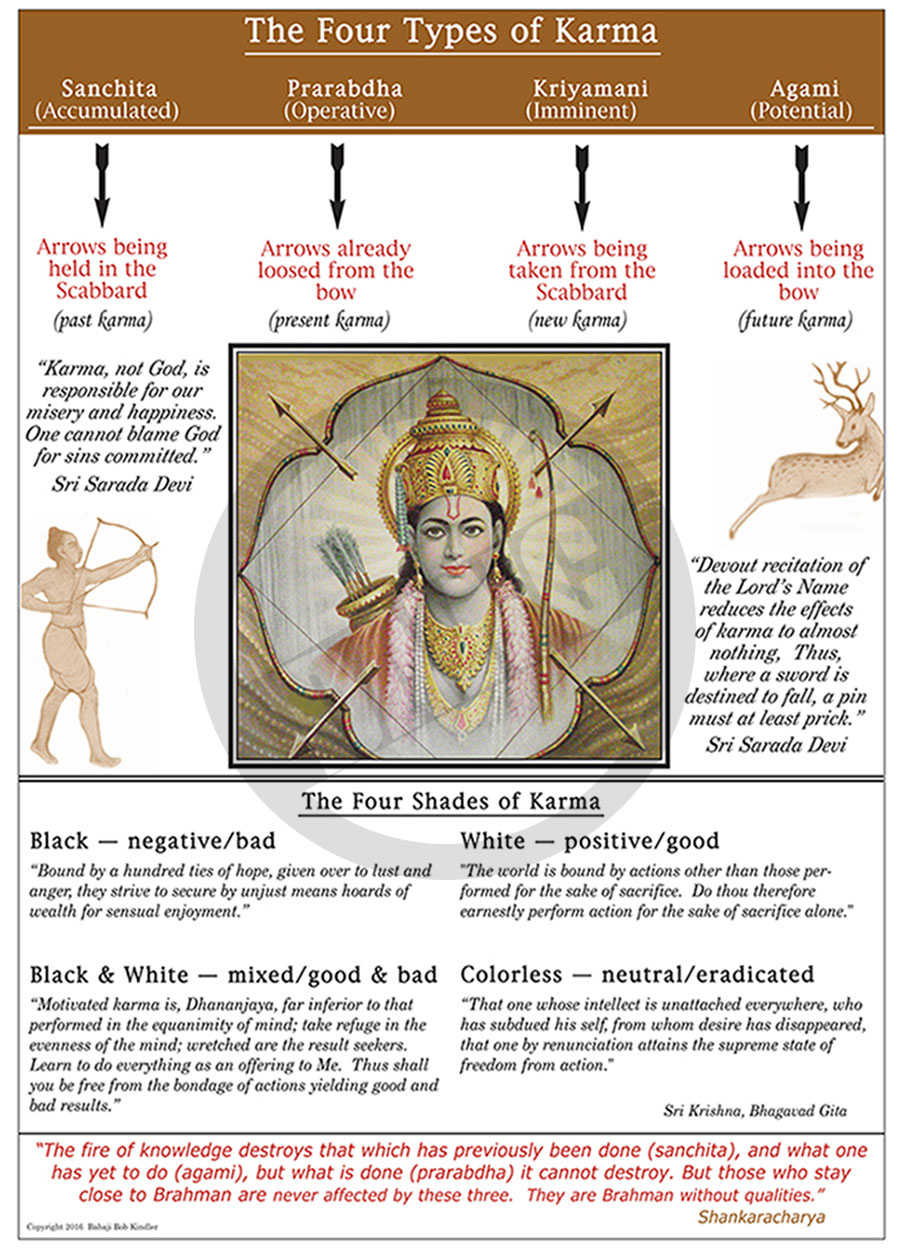
The Four Kinds of Karma 13 Dharma Art Wisdom Charts

Astrology The Karma Chart and the Dharma Chart YouTube
Karma, In Indian Religion And Philosophy, The Universal Causal Law By Which Good Or Bad Actions Determine The Future Modes Of An Individual’s Existence.
Karma Is The Belief That The Things You Do In Life Will Eventually Return To You, Either In This Life Or The Next.
Related Post: