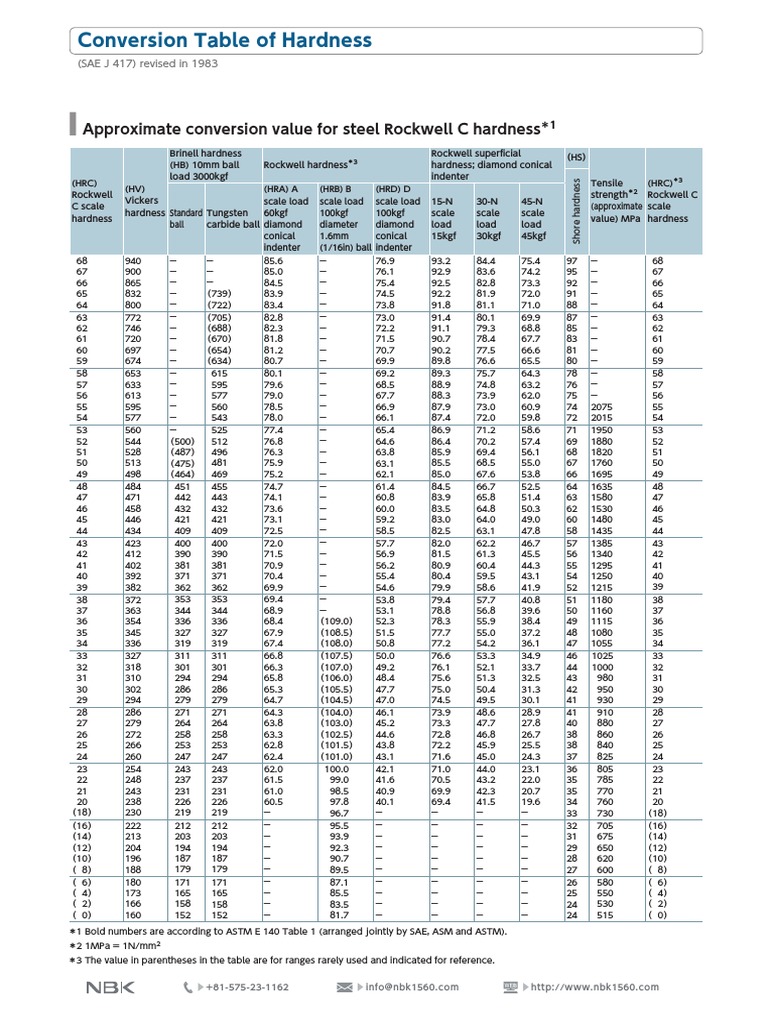
Hardness Chart Rockwell
Hardness Chart Rockwell - You may be given general anesthesia to keep you asleep and free from pain during your procedure. In other cases, people may need a general anesthetic and to stay in. Bleeding risk of proposed surgery (to be assessed by surgeon and anesthesiologist) under antiplatelet therapy: Low risk (minor ophthalmologic, endoscopic, superficial procedures,. Angioplasty is often followed by the placement of a small wire mesh tube called a stent. 2) revascularizing patients without using stents; Some stent placement procedures can be minimally invasive, and people may only require a local anesthetic. Stents are often placed during a heart attack, so this is not always a procedure you'll be able to prepare for. You will be given medication to relax and a local anesthetic for the incision site. Perioperative stent thrombosis could be prevented by: Stents are often placed during a heart attack, so this is not always a procedure you'll be able to prepare for. Anesthesiologists are usually required when patient is in respiratory distress or. You may instead be given iv sedation to make you feel calm and. Bleeding risk of proposed surgery (to be assessed by surgeon and anesthesiologist) under antiplatelet therapy: 2) revascularizing patients without using stents; Angioplasty is often followed by the placement of a small wire mesh tube called a stent. Perioperative stent thrombosis could be prevented by: 3) appropriate selection of the type of stent to. The majority of pci procedures are done under local anesthesia, which means the part where the catheter will be inserted will be made insensitive. In other cases, people may need a general anesthetic and to stay in. Once the local anesthesia has taken effect, a sheath, or introducer, will be put into the blood vessel (often at the groin). 3) appropriate selection of the type of stent to. Stents are often placed during a heart attack, so this is not always a procedure you'll be able to prepare for. Angioplasty is often followed by the placement of. The stent helps prop the artery open and decreases the chance of the artery narrowing. Perioperative stent thrombosis could be prevented by: Low risk (minor ophthalmologic, endoscopic, superficial procedures,. You may instead be given iv sedation to make you feel calm and. In the case that it is — most commonly to relieve symptoms of. Perioperative stent thrombosis could be prevented by: You will be given medication to relax and a local anesthetic for the incision site. Bleeding risk of proposed surgery (to be assessed by surgeon and anesthesiologist) under antiplatelet therapy: Anesthesiologists are usually required when patient is in respiratory distress or. You may instead be given iv sedation to make you feel calm. You will be given medication to relax and a local anesthetic for the incision site. Anesthesiologists are usually required when patient is in respiratory distress or. In other cases, people may need a general anesthetic and to stay in. In most cases, general anesthesia is not needed for stent placement. The stent helps prop the artery open and decreases the. Perioperative stent thrombosis could be prevented by: 2) revascularizing patients without using stents; Some stent placement procedures can be minimally invasive, and people may only require a local anesthetic. This is a plastic tube through which the catheter will be threaded. You may be given general anesthesia to keep you asleep and free from pain during your procedure. Stents are often placed during a heart attack, so this is not always a procedure you'll be able to prepare for. The majority of pci procedures are done under local anesthesia, which means the part where the catheter will be inserted will be made insensitive. You may instead be given iv sedation to make you feel calm and. Perioperative stent. Angioplasty is often followed by the placement of a small wire mesh tube called a stent. 3) appropriate selection of the type of stent to. The stent helps prop the artery open and decreases the chance of the artery narrowing. Bleeding risk of proposed surgery (to be assessed by surgeon and anesthesiologist) under antiplatelet therapy: You will be given medication. 2) revascularizing patients without using stents; In other cases, people may need a general anesthetic and to stay in. Anesthesiologists are usually required when patient is in respiratory distress or. This is a plastic tube through which the catheter will be threaded. Low risk (minor ophthalmologic, endoscopic, superficial procedures,. Some stent placement procedures can be minimally invasive, and people may only require a local anesthetic. You may instead be given iv sedation to make you feel calm and. You may be given general anesthesia to keep you asleep and free from pain during your procedure. Perioperative stent thrombosis could be prevented by: The stent helps prop the artery open. Anesthesiologists are usually required when patient is in respiratory distress or. 3) appropriate selection of the type of stent to. In other cases, people may need a general anesthetic and to stay in. You may be given general anesthesia to keep you asleep and free from pain during your procedure. Once the local anesthesia has taken effect, a sheath, or. In other cases, people may need a general anesthetic and to stay in. 2) revascularizing patients without using stents; This is a plastic tube through which the catheter will be threaded. Some stent placement procedures can be minimally invasive, and people may only require a local anesthetic. Stents are often placed during a heart attack, so this is not always a procedure you'll be able to prepare for. The stent helps prop the artery open and decreases the chance of the artery narrowing. Angioplasty is often followed by the placement of a small wire mesh tube called a stent. The majority of pci procedures are done under local anesthesia, which means the part where the catheter will be inserted will be made insensitive. In most cases, general anesthesia is not needed for stent placement. Low risk (minor ophthalmologic, endoscopic, superficial procedures,. You will be given medication to relax and a local anesthetic for the incision site. You may instead be given iv sedation to make you feel calm and. Once the local anesthesia has taken effect, a sheath, or introducer, will be put into the blood vessel (often at the groin). 3) appropriate selection of the type of stent to. Perioperative stent thrombosis could be prevented by: In the case that it is — most commonly to relieve symptoms of.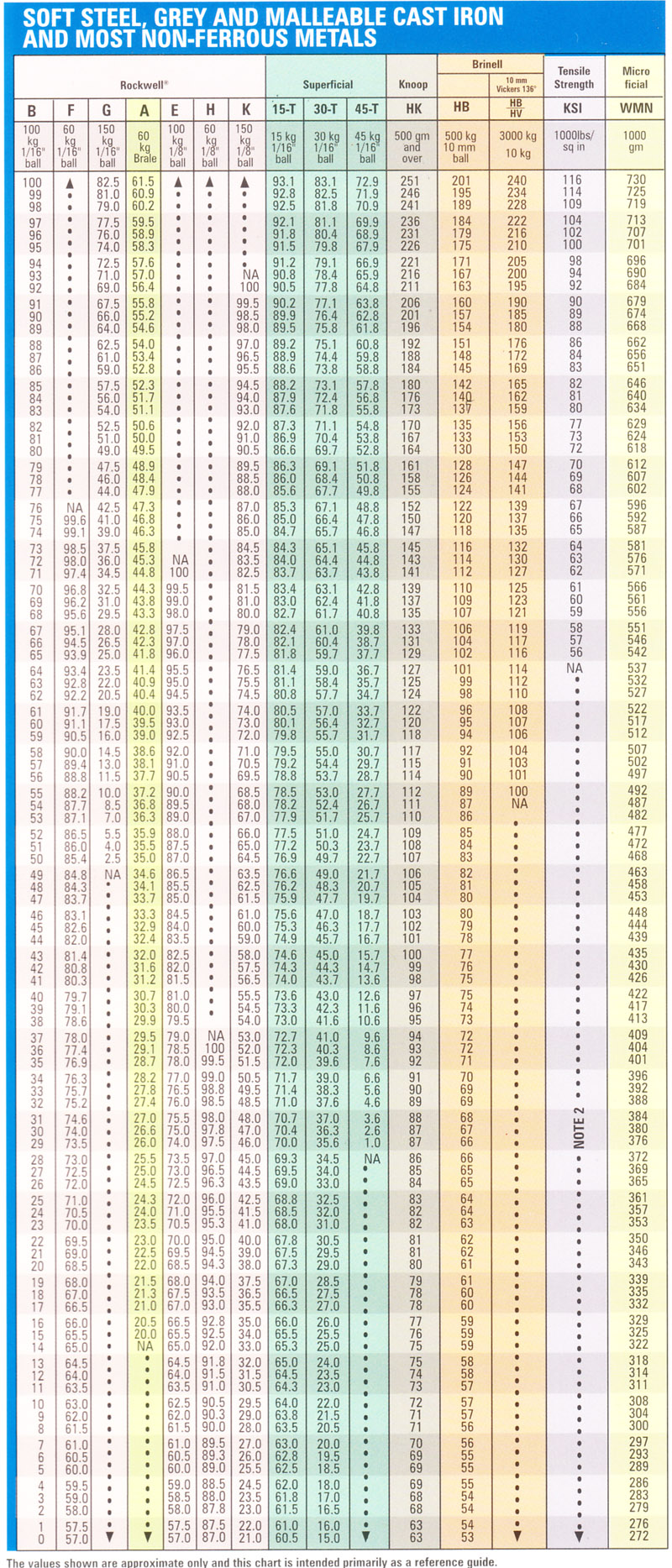
Hardness Conversion Chart Rockwell "B" Hardness Range
Brinell/Rockwell Hardness Conversion Chart PDF

Metal Hardness Chart Rockwell Scale
Conversion Table of Hardness Approximate conversion value for steel Rockwell C hardness
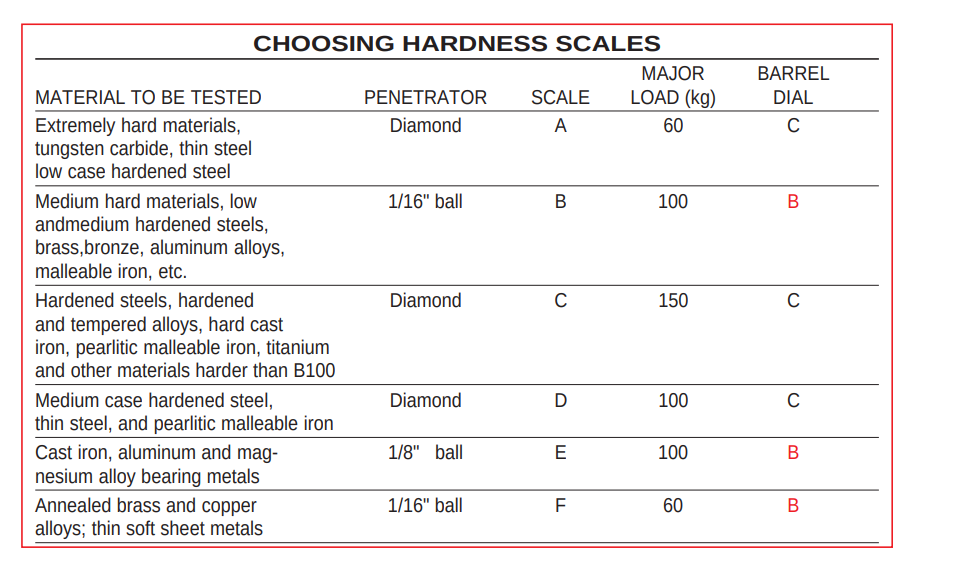
Rockwell C Hardness Scale Chart at Irene Troyer blog

Vickers Hardness to Rockwell Conversion Chart A Guide for Conversion Scale in Material Hardness
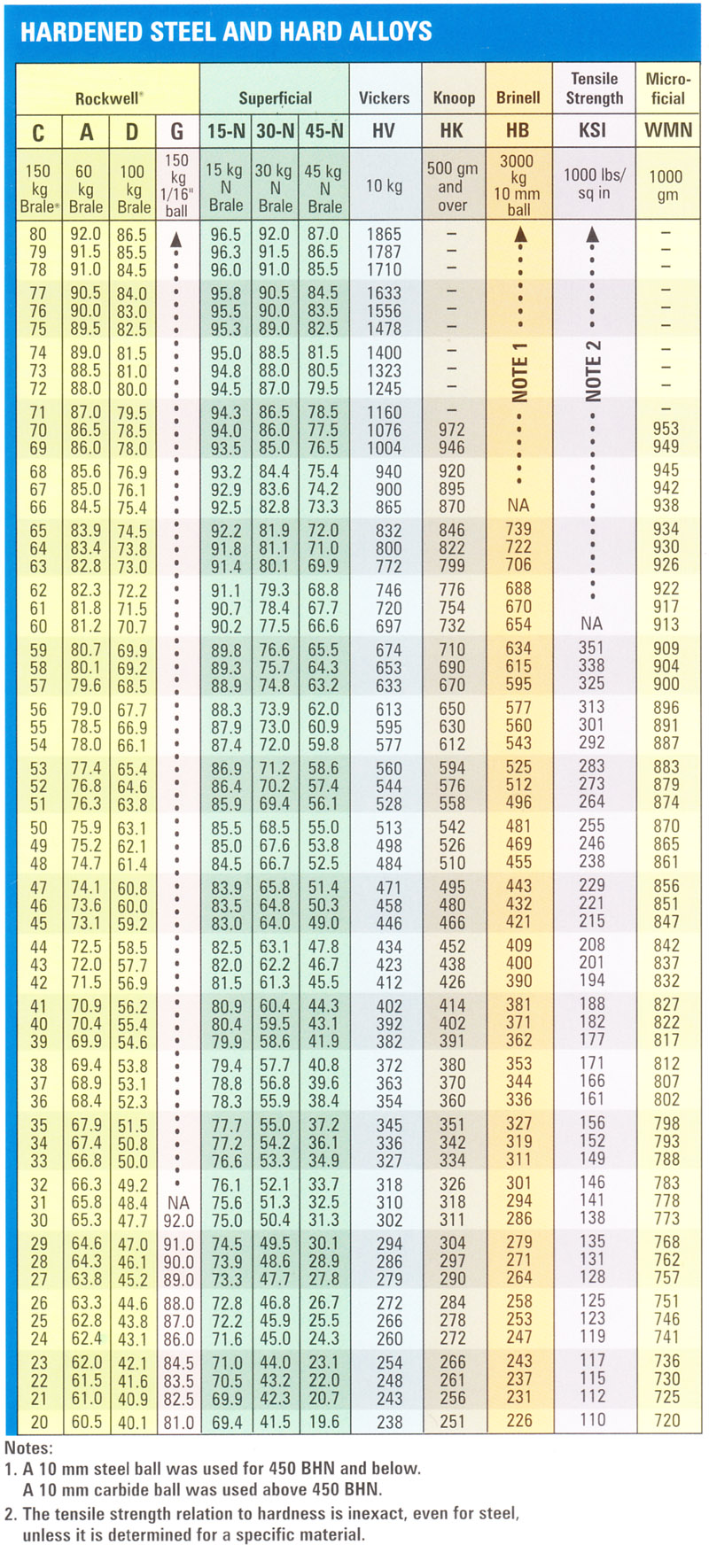
Hardness Conversion Chart Rockwell "C" Hardness Range

Hardness Conversion Chart Rockwell Rockwell Hardness Scale C
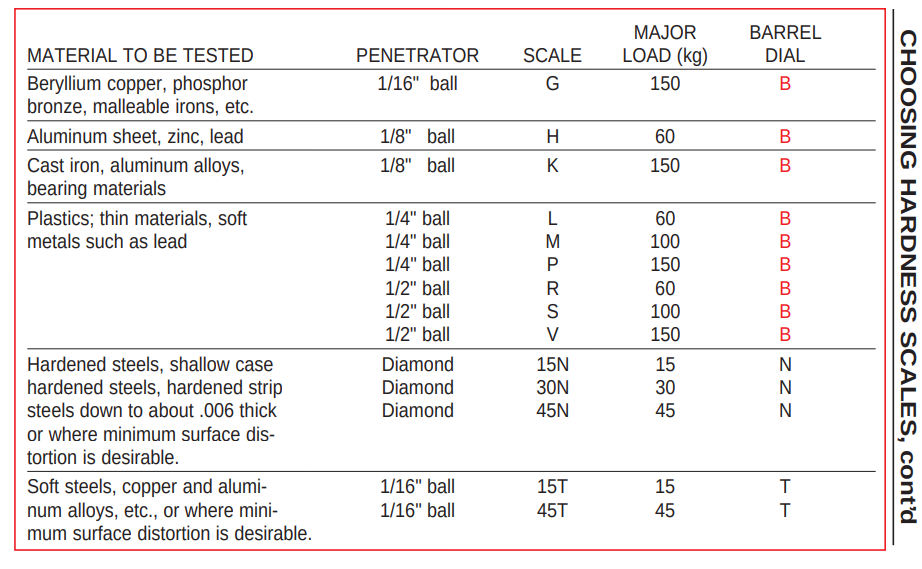
Rockwell Hardness Test Scale Table at Robert Pierce blog
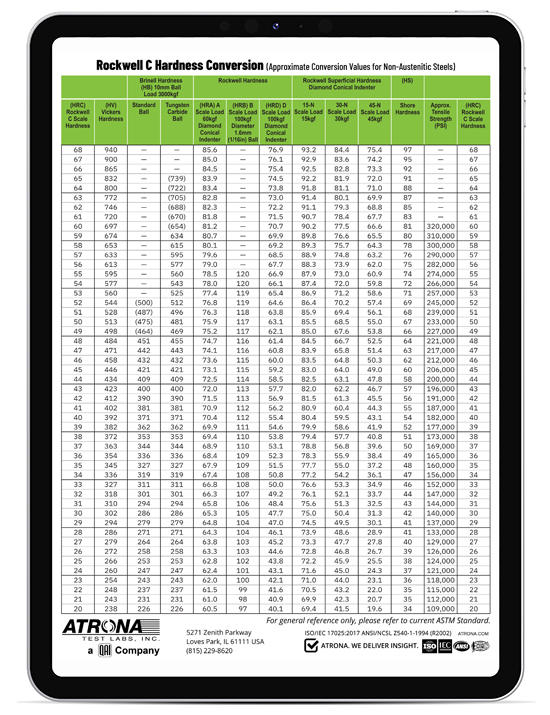
Rockwell C Hardness Conversion Chart PDF ATRONA Test Labs Loves Park, Illinois
Bleeding Risk Of Proposed Surgery (To Be Assessed By Surgeon And Anesthesiologist) Under Antiplatelet Therapy:
Anesthesiologists Are Usually Required When Patient Is In Respiratory Distress Or.
Pci Is Usually Performed Under Mild Sedation Under The Supervision Of A Cardiologist.
You May Be Given General Anesthesia To Keep You Asleep And Free From Pain During Your Procedure.
Related Post: