
H&M Kids Size Chart
H&M Kids Size Chart - I've always used a *.h file for my class definitions, but after reading some boost library code, i realised they all use *.hpp. I've always had an aversion to that file extension, i think mainly be. In c, it is usually assert.h. .h files are header files for c and c. I used to think that it used to be that: I have seen recently that #include includes every standard library and stl include file. Where does visual studio look for c++ header files? For me, i followed xflowxen's answer and then at include directories. I propose to simply include an all.h in the project that includes all the headers needed, and every other.h file calls all.h and every.c/.cpp file only includes its own header. When i try to compile the following code segment with visual studio. When i try to compile the following code segment with visual studio. I've always had an aversion to that file extension, i think mainly be. Cassert.h looks like a strange mix of this. When dividing your code up into multiple files, what exactly should go into an.h file and what should go into a.cpp file? I propose to simply include an all.h in the project that includes all the headers needed, and every other.h file calls all.h and every.c/.cpp file only includes its own header. *.h or *.hpp for your class definitions what is the difference between.cc and.cpp file suffix? I can find files like: In c, it is usually assert.h. In c++, this is wrapped into cassert (without suffix). I've always used a *.h file for my class definitions, but after reading some boost library code, i realised they all use *.hpp. Where does visual studio look for c++ header files? When i try to compile the following code segment with visual studio. There is more information here on how to deal with this problem: In c, it is usually assert.h. *.h or *.hpp for your class definitions what is the difference between.cc and.cpp file suffix? For me, i followed xflowxen's answer and then at include directories. *.h or *.hpp for your class definitions what is the difference between.cc and.cpp file suffix? I used to think that it used to be that: Where does visual studio look for c++ header files? There is more information here on how to deal with this problem: *.h or *.hpp for your class definitions what is the difference between.cc and.cpp file suffix? I propose to simply include an all.h in the project that includes all the headers needed, and every other.h file calls all.h and every.c/.cpp file only includes its own header. Typically, a.h.in file is a header template that is filled in to become the actual. *.h or *.hpp for your class definitions what is the difference between.cc and.cpp file suffix? For me, i followed xflowxen's answer and then at include directories. I propose to simply include an all.h in the project that includes all the headers needed, and every other.h file calls all.h and every.c/.cpp file only includes its own header. When dividing your code. I can find files like: Where does visual studio look for c++ header files? In c, it is usually assert.h. When i try to compile the following code segment with visual studio. For me, i followed xflowxen's answer and then at include directories. *.h or *.hpp for your class definitions what is the difference between.cc and.cpp file suffix? There is more information here on how to deal with this problem: Where does visual studio look for c++ header files? When i try to compile the following code segment with visual studio. I propose to simply include an all.h in the project that includes. Typically, a.h.in file is a header template that is filled in to become the actual header by a configure script based on the outcome of several tests for features present on the target platform. In c++, this is wrapped into cassert (without suffix). There is more information here on how to deal with this problem: I can find files like:. I used to think that it used to be that: I've always used a *.h file for my class definitions, but after reading some boost library code, i realised they all use *.hpp. In c++, this is wrapped into cassert (without suffix). I have seen recently that #include includes every standard library and stl include file. Typically, a.h.in file is. In c++, this is wrapped into cassert (without suffix). When i try to compile the following code segment with visual studio. Where does visual studio look for c++ header files? *.h or *.hpp for your class definitions what is the difference between.cc and.cpp file suffix? Typically, a.h.in file is a header template that is filled in to become the actual. I've always had an aversion to that file extension, i think mainly be. Where does visual studio look for c++ header files? .h files are header files for c and c. I used to think that it used to be that: When i try to compile the following code segment with visual studio. Typically, a.h.in file is a header template that is filled in to become the actual header by a configure script based on the outcome of several tests for features present on the target platform. There is more information here on how to deal with this problem: I used to think that it used to be that: When dividing your code up into multiple files, what exactly should go into an.h file and what should go into a.cpp file? Where does visual studio look for c++ header files? .h files are header files for c and c. I've always had an aversion to that file extension, i think mainly be. *.h or *.hpp for your class definitions what is the difference between.cc and.cpp file suffix? I have seen recently that #include includes every standard library and stl include file. I've always used a *.h file for my class definitions, but after reading some boost library code, i realised they all use *.hpp. In c, it is usually assert.h. I propose to simply include an all.h in the project that includes all the headers needed, and every other.h file calls all.h and every.c/.cpp file only includes its own header. When i try to compile the following code segment with visual studio.
H&M Baby & Kids Sizes When size matters

Size Chart For H M at Johnny Will blog

Size Chart Of H&m Hm Size Guide Kids

Size Chart Of H&m Hm Size Guide Kids
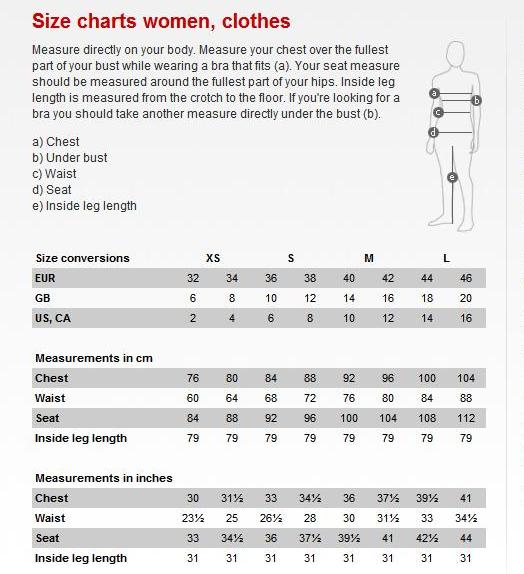
Size Chart Of H&m Hm Size Guide Kids

Sizing chart H&M girls & boys 1.5 11 tahun, Bayi & Anak, Baju Anak Perempuan, 4 hingga 7 tahun

Size Chart Of H&m Hm Size Guide Kids

Size Chart Of H&m Hm Size Guide Kids
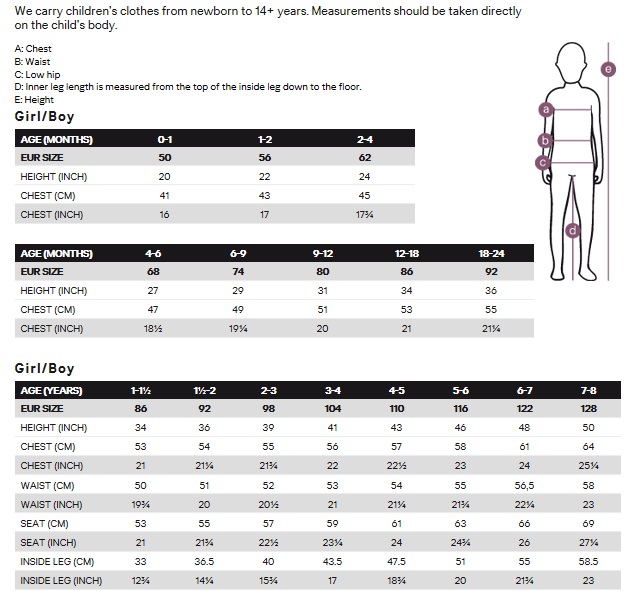
Bumpy Shop H&M Kids Size Guide
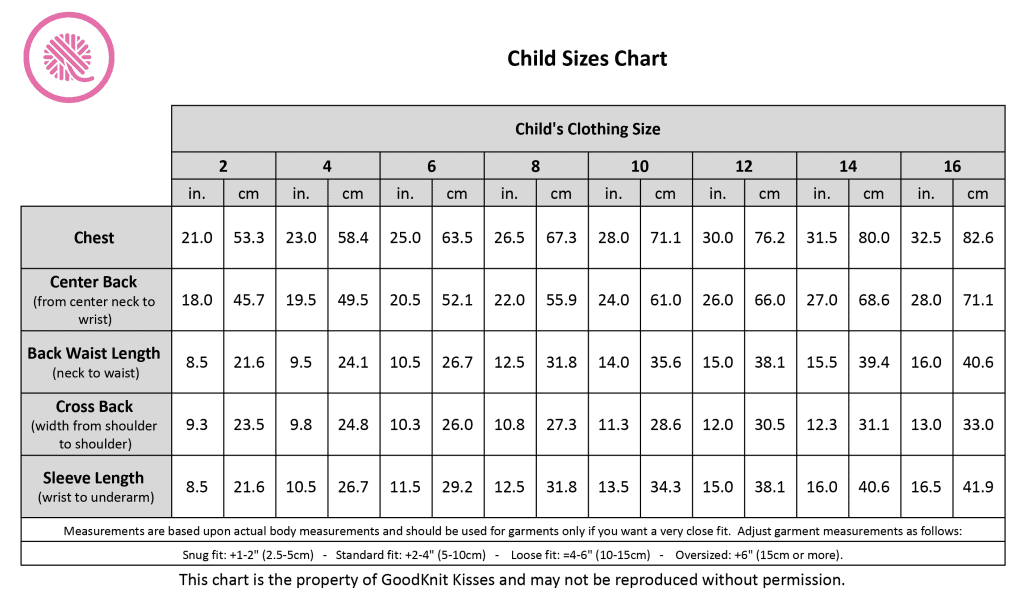
Child Sizes Chart 5 Common Measurements for Kids 216!
For Me, I Followed Xflowxen's Answer And Then At Include Directories.
Cassert.h Looks Like A Strange Mix Of This.
I Can Find Files Like:
In C++, This Is Wrapped Into Cassert (Without Suffix).
Related Post: