
Dressage Levels Chart
Dressage Levels Chart - Dressage, derived from the french word “dresser” meaning “to train,” is an elegant and precise equestrian sport that showcases the harmony and communication between horse. [dʁɛsaʒ], most commonly translated as training) is a form of horse riding performed in exhibition and competition, as well as an art sometimes. Dressage (/ ˈdrɛsɑːʒ / or / drɪˈsɑːʒ /; Dressage is an olympic sport in which a rider trains a horse to perform specific maneuvers that test the horse’s strength, agility, and balance. Training) is a form of horse training and riding. These principles are interdependent and aim to create a perfect partnership between horse and rider. Dressage, as defined by the international equestrian federation, is “the highest expression of horse training.” for the purpose of training, a form of dressage is used by all riders, regardless. [1][2] the horse and the rider must complete a sequence of activities and moves in a very good way. Dressage is much more than riding patterns in an arena—it’s about fostering a deep partnership with your horse and developing them into a balanced, happy athlete. Dressage is a highly technical and precise form of horseback riding that requires the rider to communicate subtle commands and movements to the horse. [1][2] the horse and the rider must complete a sequence of activities and moves in a very good way. Dressage is a highly technical and precise form of horseback riding that requires the rider to communicate subtle commands and movements to the horse. Training) is a form of horse training and riding. Dressage, systematic and progressive training of riding horses to execute precisely any of a wide range of maneuvers, from the simplest riding gaits to the most intricate and difficult airs and. It’s often called an art because it. [dʁɛsaʒ], most commonly translated as training) is a form of horse riding performed in exhibition and competition, as well as an art sometimes. These principles are interdependent and aim to create a perfect partnership between horse and rider. Dressage is much more than riding patterns in an arena—it’s about fostering a deep partnership with your horse and developing them into a balanced, happy athlete. Dressage is an olympic sport in which a rider trains a horse to perform specific maneuvers that test the horse’s strength, agility, and balance. Dressage (/ ˈdrɛsɑːʒ / or / drɪˈsɑːʒ /; Dressage is based on three main principles: The olympic sport of dressage is derived from the french term meaning training and its purpose is to strengthen and supple the horse while maintaining a calm and attentive demeanor. Dressage is much more than riding patterns in an arena—it’s about fostering a deep partnership with your horse and developing them into a. Dressage, derived from the french word “dresser” meaning “to train,” is an elegant and precise equestrian sport that showcases the harmony and communication between horse. Dressage is a highly technical and precise form of horseback riding that requires the rider to communicate subtle commands and movements to the horse. Dressage, as defined by the international equestrian federation, is “the highest. Dressage is a highly technical and precise form of horseback riding that requires the rider to communicate subtle commands and movements to the horse. [1][2] the horse and the rider must complete a sequence of activities and moves in a very good way. Dressage is an olympic sport in which a rider trains a horse to perform specific maneuvers that. [dʁɛsaʒ], most commonly translated as training) is a form of horse riding performed in exhibition and competition, as well as an art sometimes. Training) is a form of horse training and riding. Dressage (/ ˈdrɛsɑːʒ / or / drɪˈsɑːʒ /; Dressage is an olympic sport in which a rider trains a horse to perform specific maneuvers that test the horse’s. Dressage is an olympic sport in which a rider trains a horse to perform specific maneuvers that test the horse’s strength, agility, and balance. Dressage is a highly technical and precise form of horseback riding that requires the rider to communicate subtle commands and movements to the horse. Dressage is much more than riding patterns in an arena—it’s about fostering. Dressage is based on three main principles: It’s often called an art because it. Dressage is much more than riding patterns in an arena—it’s about fostering a deep partnership with your horse and developing them into a balanced, happy athlete. Dressage (/ ˈdrɛsɑːʒ / or / drɪˈsɑːʒ /; Dressage is a highly technical and precise form of horseback riding that. Training) is a form of horse training and riding. Dressage is much more than riding patterns in an arena—it’s about fostering a deep partnership with your horse and developing them into a balanced, happy athlete. Dressage is based on three main principles: The olympic sport of dressage is derived from the french term meaning training and its purpose is to. Dressage (/ ˈdrɛsɑːʒ / or / drɪˈsɑːʒ /; [1][2] the horse and the rider must complete a sequence of activities and moves in a very good way. Dressage, as defined by the international equestrian federation, is “the highest expression of horse training.” for the purpose of training, a form of dressage is used by all riders, regardless. Training) is a. Dressage (/ ˈdrɛsɑːʒ / or / drɪˈsɑːʒ /; [1][2] the horse and the rider must complete a sequence of activities and moves in a very good way. Training) is a form of horse training and riding. The olympic sport of dressage is derived from the french term meaning training and its purpose is to strengthen and supple the horse while. Dressage (/ ˈdrɛsɑːʒ / or / drɪˈsɑːʒ /; Dressage, derived from the french word “dresser” meaning “to train,” is an elegant and precise equestrian sport that showcases the harmony and communication between horse. [1][2] the horse and the rider must complete a sequence of activities and moves in a very good way. Training) is a form of horse training and. Dressage is a highly technical and precise form of horseback riding that requires the rider to communicate subtle commands and movements to the horse. [dʁɛsaʒ], most commonly translated as training) is a form of horse riding performed in exhibition and competition, as well as an art sometimes. These principles are interdependent and aim to create a perfect partnership between horse and rider. It’s often called an art because it. Dressage is based on three main principles: [1][2] the horse and the rider must complete a sequence of activities and moves in a very good way. Dressage, as defined by the international equestrian federation, is “the highest expression of horse training.” for the purpose of training, a form of dressage is used by all riders, regardless. Dressage, systematic and progressive training of riding horses to execute precisely any of a wide range of maneuvers, from the simplest riding gaits to the most intricate and difficult airs and. Dressage is an olympic sport in which a rider trains a horse to perform specific maneuvers that test the horse’s strength, agility, and balance. The olympic sport of dressage is derived from the french term meaning training and its purpose is to strengthen and supple the horse while maintaining a calm and attentive demeanor. Dressage, derived from the french word “dresser” meaning “to train,” is an elegant and precise equestrian sport that showcases the harmony and communication between horse.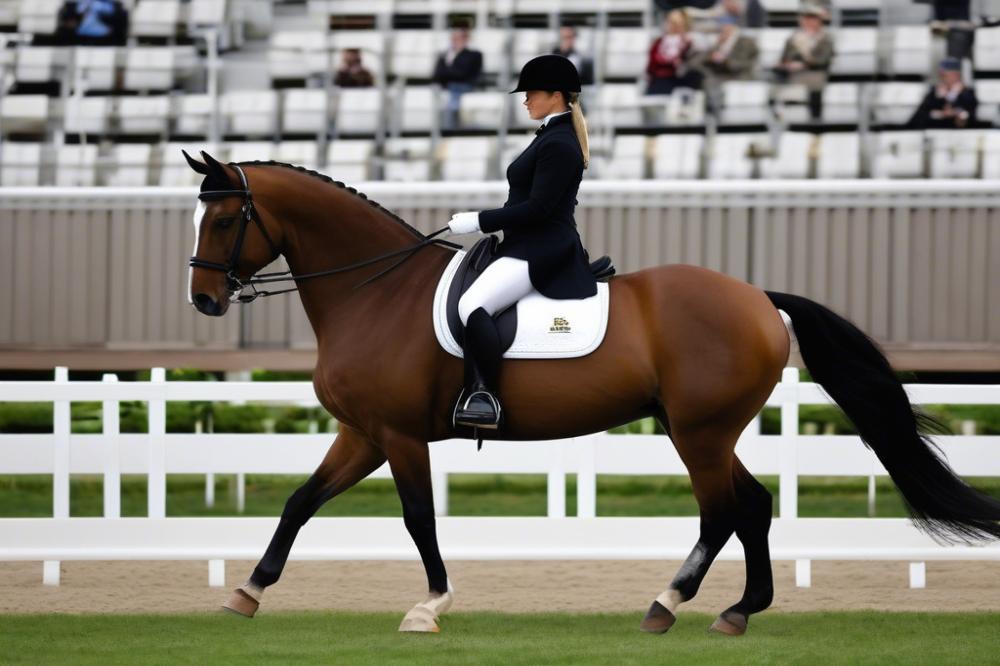
Guide To Dressage Levels Horse Life

What is Dressage? QSLB Cadora

Dressage Levels Explained Beginner Tips & Tricks + Practice Routines Helpful Horse Hints

Sable Ranch Friesian Horses Dressage Levels International
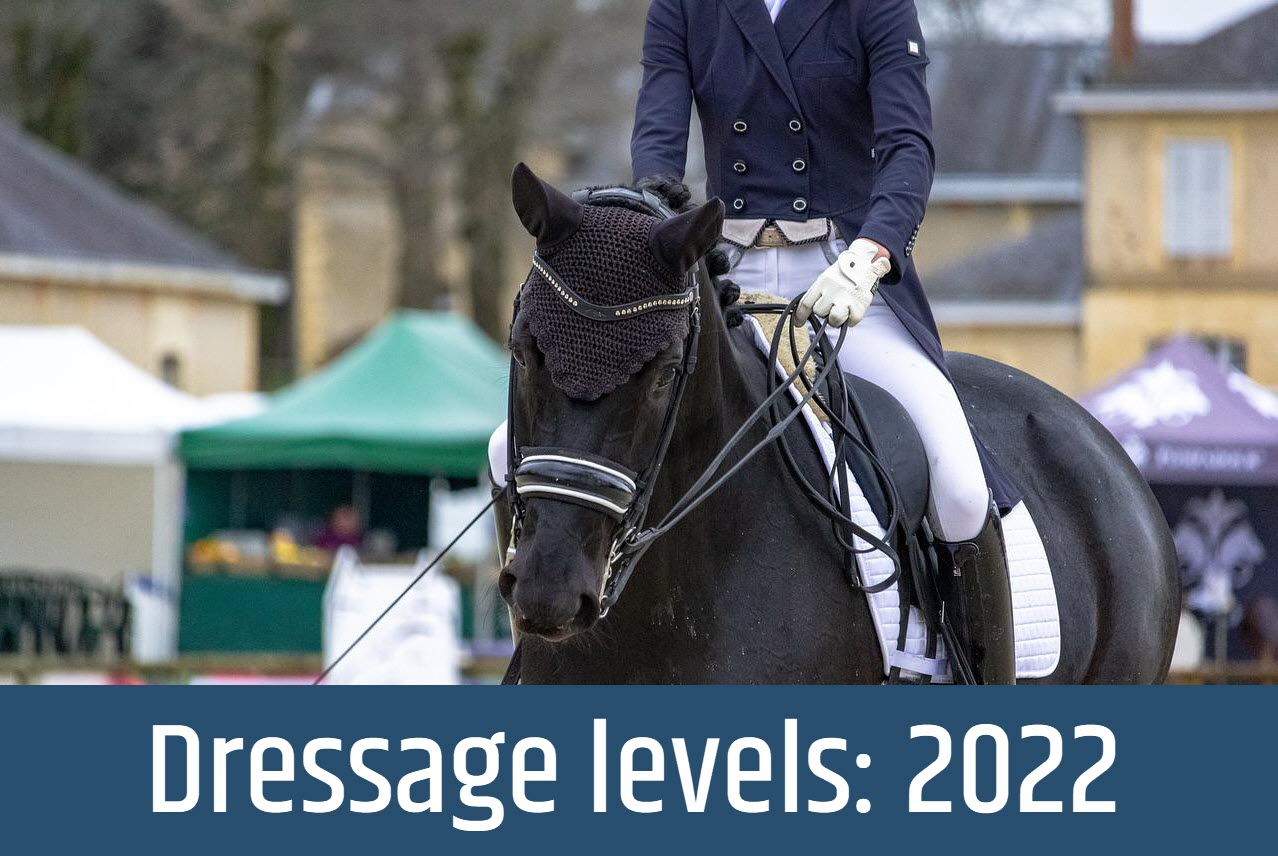
Levels in Dressage, an Expert's Guide NorCordia

Download this chart of dressage arena exercises to help develop connection with your horse

Dressage Levels Explained First Level
Guide To Dressage Levels Horse Life

Dressage Levels Explained Second Level

Levels Of Eventing
Training) Is A Form Of Horse Training And Riding.
Dressage Is Much More Than Riding Patterns In An Arena—It’s About Fostering A Deep Partnership With Your Horse And Developing Them Into A Balanced, Happy Athlete.
Dressage (/ ˈDrɛsɑːʒ / Or / Drɪˈsɑːʒ /;
Related Post: