
Dielectric Corrosion Chart
Dielectric Corrosion Chart - Attach a voltage source (i.e., battery) to the capacitor. Dielectric materials tend to be more insulating than air, and thus by using such a material the plates (in a parallel plate capacitor) can be placed closer together which would. The author chooses a surface such that the. Because of this the value listed in a data sheet. It is a function of state variables, electric field, frequency, temperature, pressure, mechanical stress, etc. Bandgaps, as such, only exist in perfect crystals. This is higher than, say, glass. Under the influence of an external electric field the dipoles in a dielectric medium arrange themselves. I'm studying polarization, but i don't understand how i can solve the gauss's law for vector d. More polarization means more charge stored, so. This is an example from the book. Dielectric materials tend to be more insulating than air, and thus by using such a material the plates (in a parallel plate capacitor) can be placed closer together which would. With no dielectric material (only vacuum) between the plates, the capacitor is actually easier to explain: These dipoles will create a field that opposes the external field, resulting. Attach a voltage source (i.e., battery) to the capacitor. Do metals have an infinite permittivity? This is higher than, say, glass. Dielectric constant is a complex number. The dielectric is a very polar, protic solvent, presumably water. A dielectric with high permittivity ε ε permits (requires) more polarization for a given field magnitude than a low permittivity one. (few other solvents dissolve ions, polar aprotic almost never, exept ion pairs, but this is a different story) the dielectric constant. I'm studying polarization, but i don't understand how i can solve the gauss's law for vector d. Dielectric materials tend to be more insulating than air, and thus by using such a material the plates (in a parallel plate. Because of this the value listed in a data sheet. (few other solvents dissolve ions, polar aprotic almost never, exept ion pairs, but this is a different story) the dielectric constant. It is a function of state variables, electric field, frequency, temperature, pressure, mechanical stress, etc. I'm studying polarization, but i don't understand how i can solve the gauss's law. (few other solvents dissolve ions, polar aprotic almost never, exept ion pairs, but this is a different story) the dielectric constant. With no dielectric material (only vacuum) between the plates, the capacitor is actually easier to explain: It is a function of state variables, electric field, frequency, temperature, pressure, mechanical stress, etc. Do metals have an infinite permittivity? Because of. Dielectric constant is a complex number. With no dielectric material (only vacuum) between the plates, the capacitor is actually easier to explain: This is an example from the book. The dielectric is a very polar, protic solvent, presumably water. These dipoles will create a field that opposes the external field, resulting. Dielectric materials tend to be more insulating than air, and thus by using such a material the plates (in a parallel plate capacitor) can be placed closer together which would. Bandgaps, as such, only exist in perfect crystals. Dielectric constant is a complex number. Under the influence of an external electric field the dipoles in a dielectric medium arrange themselves.. Attach a voltage source (i.e., battery) to the capacitor. Do metals have an infinite permittivity? Dielectric constant is a complex number. These dipoles will create a field that opposes the external field, resulting. The author chooses a surface such that the. These dipoles will create a field that opposes the external field, resulting. (few other solvents dissolve ions, polar aprotic almost never, exept ion pairs, but this is a different story) the dielectric constant. Do metals have an infinite permittivity? Dielectric materials tend to be more insulating than air, and thus by using such a material the plates (in a parallel. This is higher than, say, glass. Dielectric materials tend to be more insulating than air, and thus by using such a material the plates (in a parallel plate capacitor) can be placed closer together which would. Attach a voltage source (i.e., battery) to the capacitor. Because of this the value listed in a data sheet. Under the influence of an. A dielectric with high permittivity ε ε permits (requires) more polarization for a given field magnitude than a low permittivity one. The author chooses a surface such that the. Attach a voltage source (i.e., battery) to the capacitor. Bandgaps, as such, only exist in perfect crystals. Because of this the value listed in a data sheet. With no dielectric material (only vacuum) between the plates, the capacitor is actually easier to explain: Bandgaps, as such, only exist in perfect crystals. Dielectric constant is a complex number. The author chooses a surface such that the. These dipoles will create a field that opposes the external field, resulting. Under the influence of an external electric field the dipoles in a dielectric medium arrange themselves. The dielectric is a very polar, protic solvent, presumably water. This is higher than, say, glass. The author chooses a surface such that the. It is a function of state variables, electric field, frequency, temperature, pressure, mechanical stress, etc. I'm studying polarization, but i don't understand how i can solve the gauss's law for vector d. With no dielectric material (only vacuum) between the plates, the capacitor is actually easier to explain: These dipoles will create a field that opposes the external field, resulting. This is an example from the book. Dielectric materials tend to be more insulating than air, and thus by using such a material the plates (in a parallel plate capacitor) can be placed closer together which would. Dielectric constant is a complex number. (few other solvents dissolve ions, polar aprotic almost never, exept ion pairs, but this is a different story) the dielectric constant. Because of this the value listed in a data sheet. A dielectric with high permittivity ε ε permits (requires) more polarization for a given field magnitude than a low permittivity one.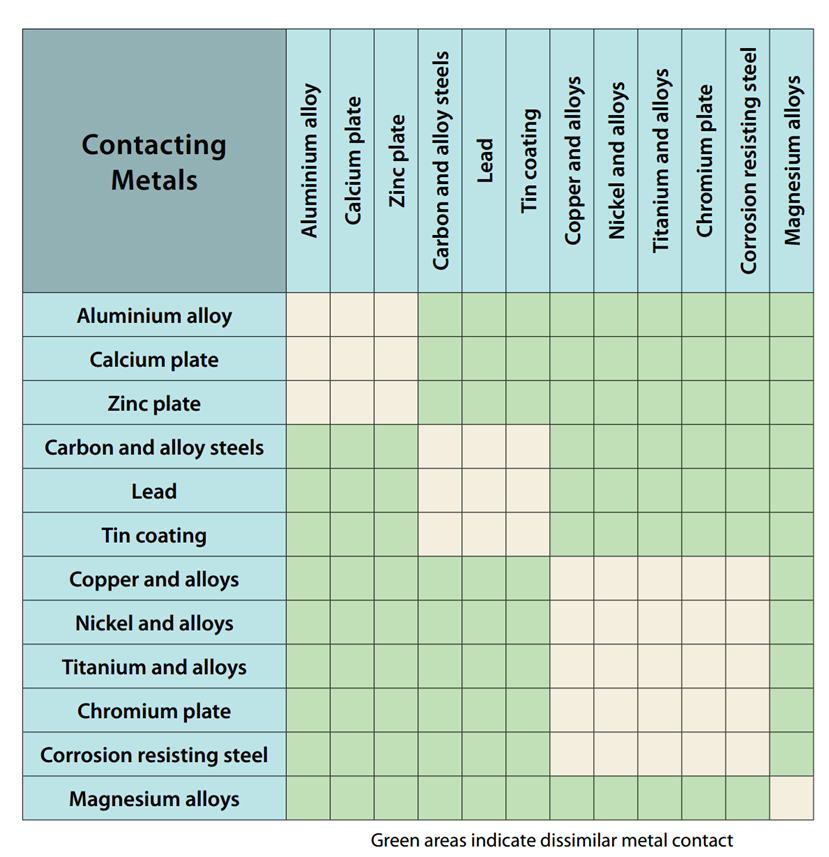
Inconel Galvanic Corrosion Chart
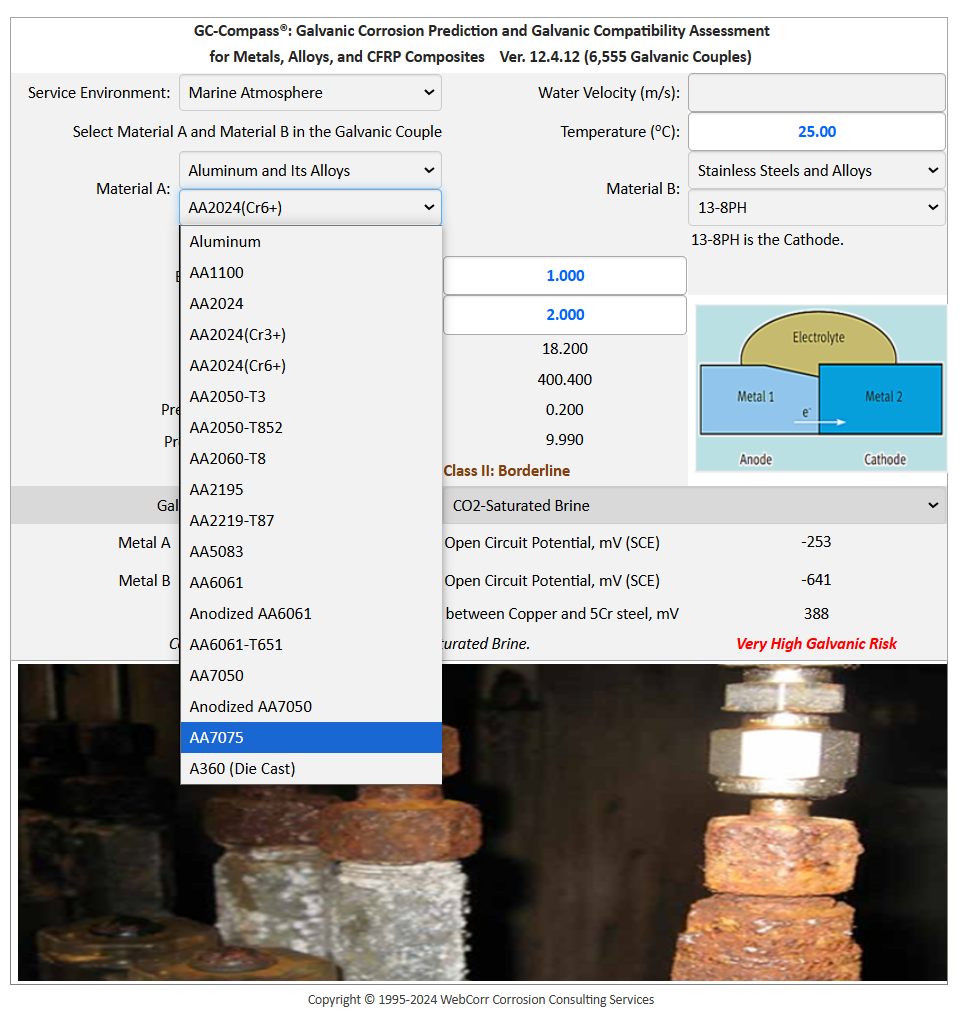
Dielectric Corrosion Chart A Visual Reference of Charts Chart Master
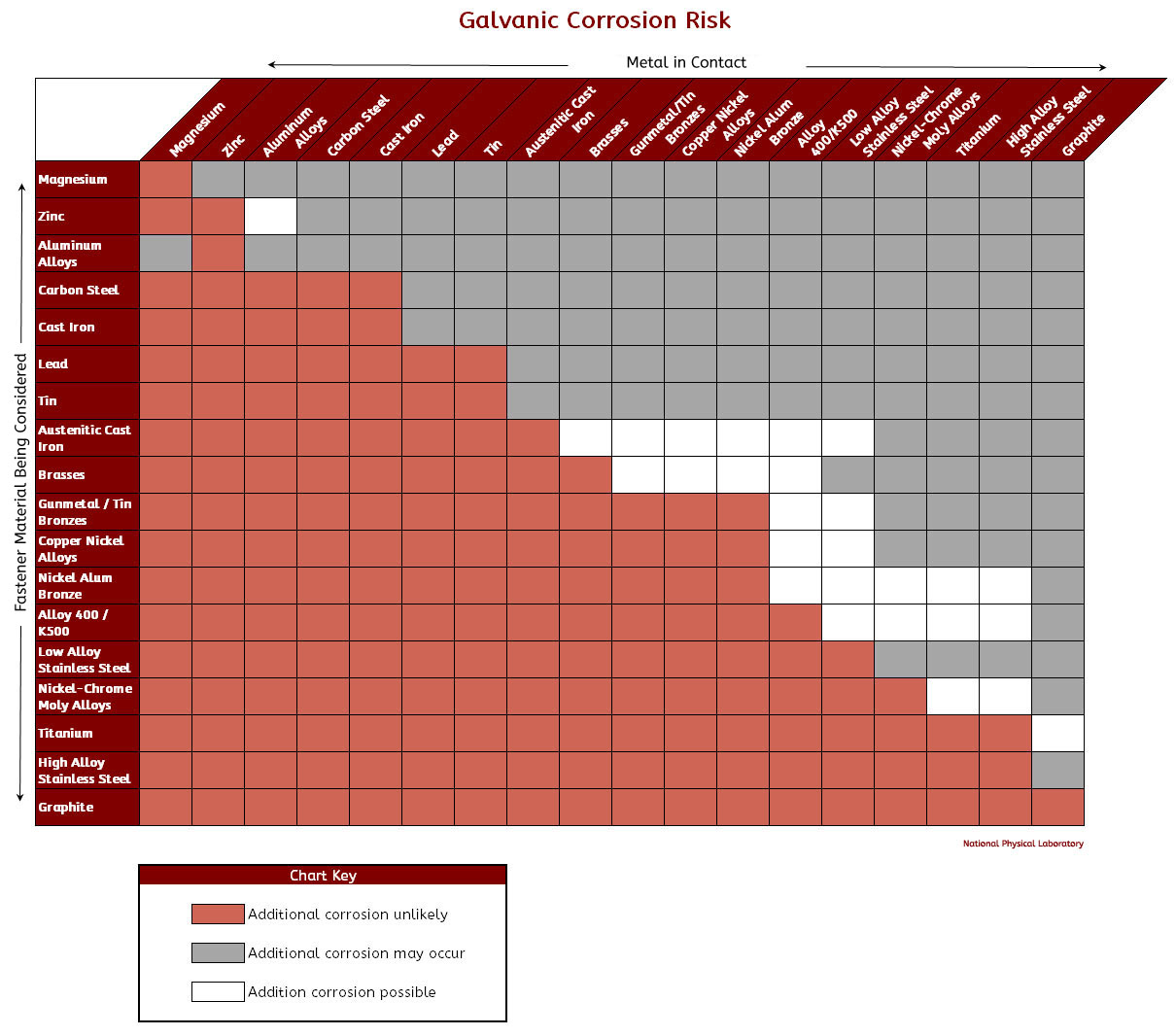
Galvanic Corrosion Chart
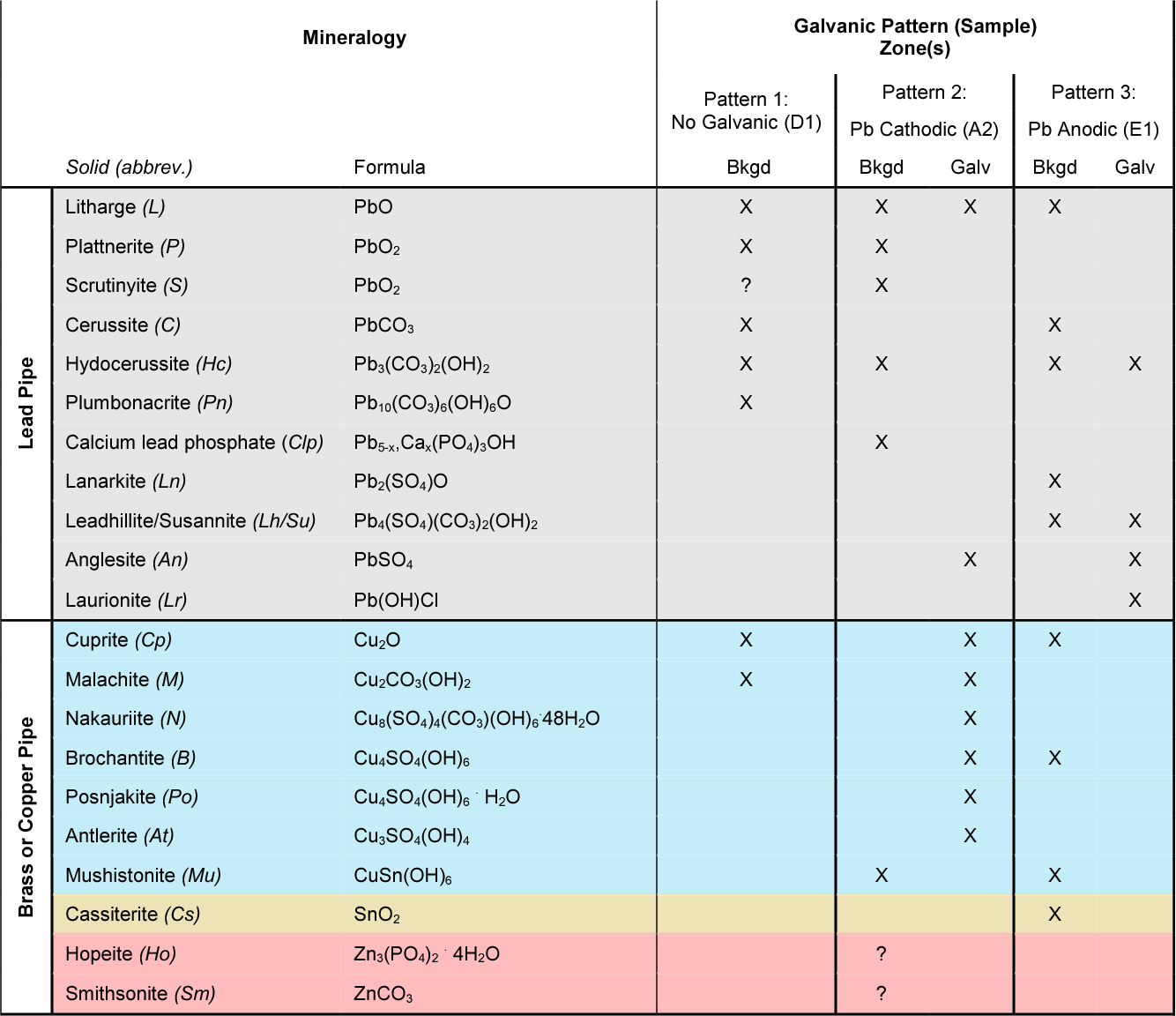
Dielectric Corrosion Chart A Visual Reference of Charts Chart Master
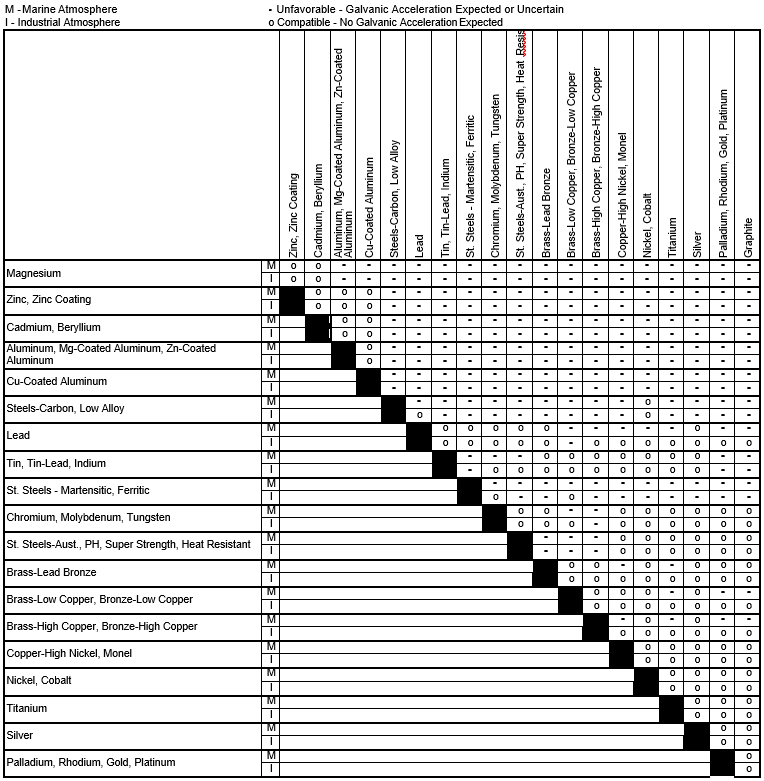
Dielectric Corrosion Chart A Visual Reference of Charts Chart Master
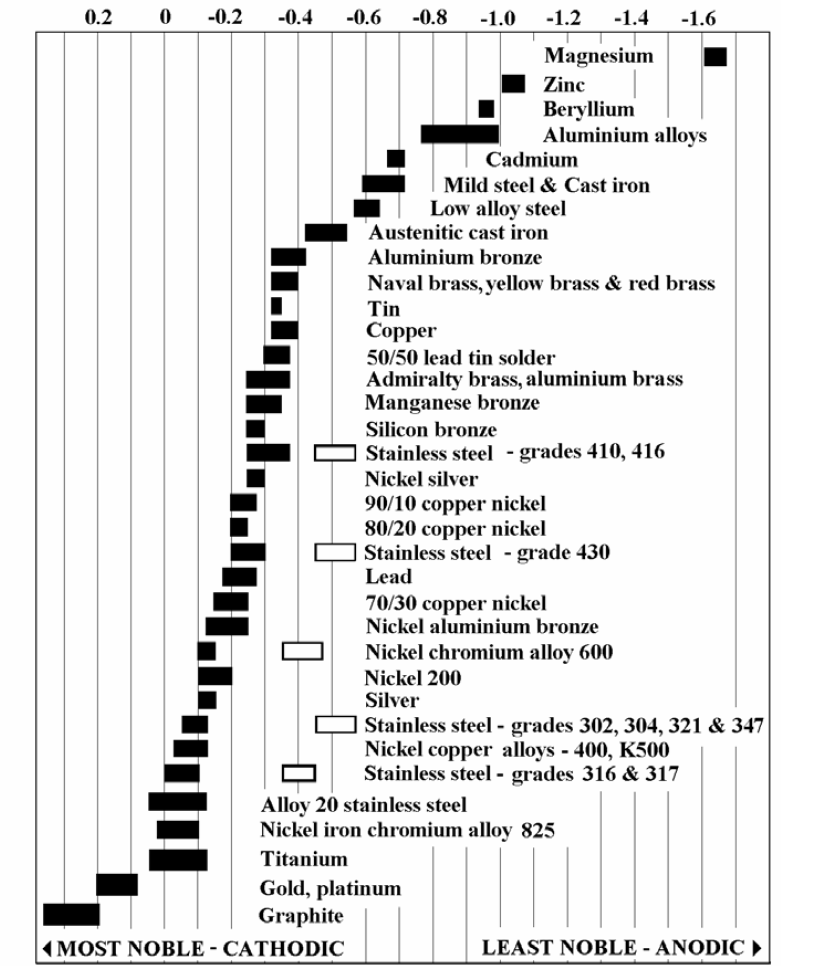
Galvanic Corrosion SSINA

Galvanic Series

Galvanic Series (electrochemical series)
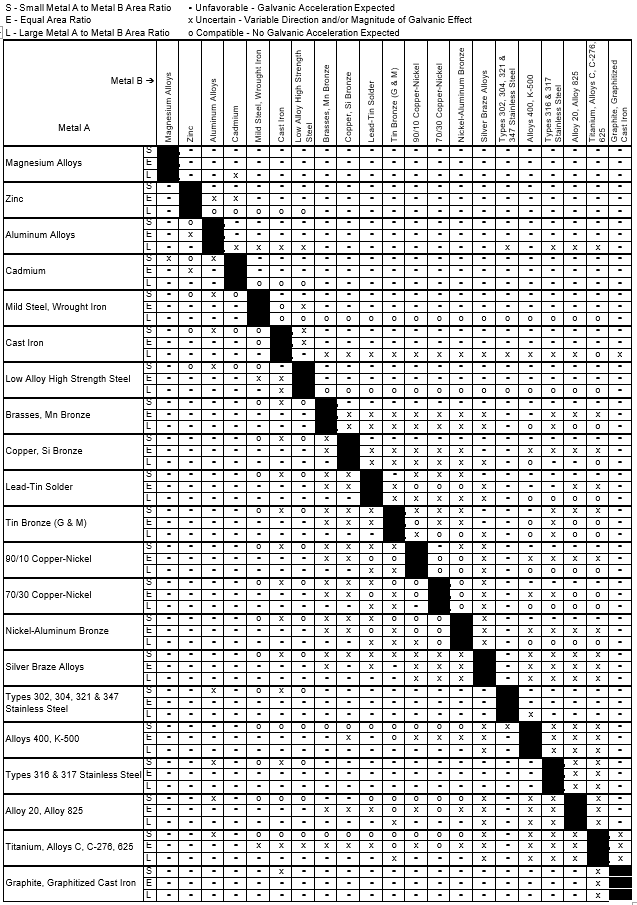
Dielectric Corrosion Chart A Visual Reference of Charts Chart Master
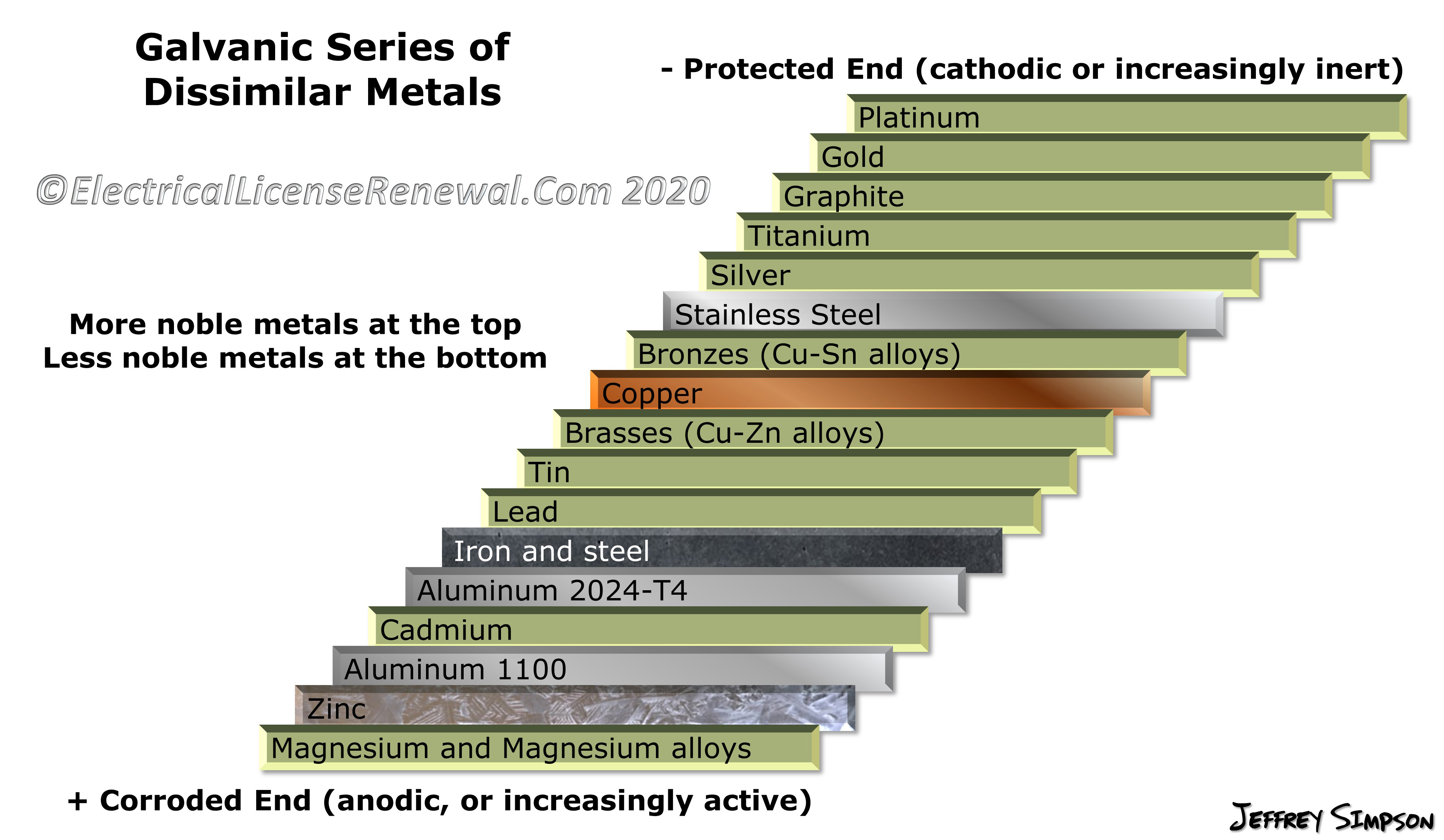
Galvanic Action Chart
More Polarization Means More Charge Stored, So.
Attach A Voltage Source (I.e., Battery) To The Capacitor.
Do Metals Have An Infinite Permittivity?
Bandgaps, As Such, Only Exist In Perfect Crystals.
Related Post: