
Curly Hair Genetics Chart
Curly Hair Genetics Chart - Straight hair requires two copies of the recessive allele. Genetically, curly hair often follows a dominant pattern, meaning if you inherit the curly hair gene from even one parent, you’re more likely to have curls. Hair texture is determined by multiple genes and alleles that differ among world populations. Your hair type is the result of how your parent’s dna combines, in addition to your ethnicity. A pedigree chart is a visual representation of a family’s genetic history. One for straight hairline, which is recessive and the other for widow’s. It is believed that multiple genes contribute to the development of curly hair, and the. Or if your parent has. Researchers have long recognized that curly hair tends to run in families, suggesting a hereditary component. Identify your family's genetic hereditary (dna) traits. A pedigree chart is a visual representation of a family’s genetic history. For example, straight hair in asian countries is caused by two genes and their respective alleles,. It is believed that multiple genes contribute to the development of curly hair, and the. There isn’t necessarily one single gene that causes your hair to become curly. Identify your family's genetic hereditary (dna) traits. Curly hair is a dominant genetic trait. One for straight hairline, which is recessive and the other for widow’s. Your hair type is the result of how your parent’s dna combines, in addition to your ethnicity. Or if your parent has. But hair curl is what's called an additive trait, which means that the amount of curl you have depends on how many. Research shows that your hair's wave or curl is passed down in your genes. Identify your family's genetic hereditary (dna) traits. But hair curl is what's called an additive trait, which means that the amount of curl you have depends on how many. It shows the relationships between family members, highlighting traits that are passed down through generations. Or if. Research shows that your hair's wave or curl is passed down in your genes. Straight hair requires two copies of the recessive allele. The gene contains 2 alleles: It is believed that multiple genes contribute to the development of curly hair, and the. Or if your parent has. There isn’t necessarily one single gene that causes your hair to become curly. Straight hair requires two copies of the recessive allele. Curly hair is a dominant genetic trait. It is believed that multiple genes contribute to the development of curly hair, and the. Researchers have long recognized that curly hair tends to run in families, suggesting a hereditary component. Research shows that your hair's wave or curl is passed down in your genes. Hair texture is determined by multiple genes and alleles that differ among world populations. The gene contains 2 alleles: Curly hair is a dominant genetic trait. Or if your parent has. Genetically, curly hair often follows a dominant pattern, meaning if you inherit the curly hair gene from even one parent, you’re more likely to have curls. It shows the relationships between family members, highlighting traits that are passed down through generations. Hair texture is determined by multiple genes and alleles that differ among world populations. A pedigree chart is a. Genetically, curly hair often follows a dominant pattern, meaning if you inherit the curly hair gene from even one parent, you’re more likely to have curls. Researchers have long recognized that curly hair tends to run in families, suggesting a hereditary component. Your hair type is the result of how your parent’s dna combines, in addition to your ethnicity. It. There isn’t necessarily one single gene that causes your hair to become curly. A pedigree chart is a visual representation of a family’s genetic history. It shows the relationships between family members, highlighting traits that are passed down through generations. Identify your family's genetic hereditary (dna) traits. Genetically, curly hair often follows a dominant pattern, meaning if you inherit the. For example, straight hair in asian countries is caused by two genes and their respective alleles,. Straight hair requires two copies of the recessive allele. It shows the relationships between family members, highlighting traits that are passed down through generations. Identify your family's genetic hereditary (dna) traits. Research shows that your hair's wave or curl is passed down in your. For example, straight hair in asian countries is caused by two genes and their respective alleles,. Curly hair is a dominant genetic trait. There isn’t necessarily one single gene that causes your hair to become curly. Researchers have long recognized that curly hair tends to run in families, suggesting a hereditary component. The gene contains 2 alleles: Or if your parent has. Identify your family's genetic hereditary (dna) traits. But hair curl is what's called an additive trait, which means that the amount of curl you have depends on how many. One for straight hairline, which is recessive and the other for widow’s. It is believed that multiple genes contribute to the development of curly hair, and. The gene contains 2 alleles: For example, straight hair in asian countries is caused by two genes and their respective alleles,. Hair texture is determined by multiple genes and alleles that differ among world populations. Understanding the genetics of curly hair can provide insights into how this trait is inherited. There isn’t necessarily one single gene that causes your hair to become curly. Your hair type is the result of how your parent’s dna combines, in addition to your ethnicity. It shows the relationships between family members, highlighting traits that are passed down through generations. Straight hair requires two copies of the recessive allele. One for straight hairline, which is recessive and the other for widow’s. A pedigree chart is a visual representation of a family’s genetic history. But hair curl is what's called an additive trait, which means that the amount of curl you have depends on how many. Curly hair is a dominant genetic trait. Researchers have long recognized that curly hair tends to run in families, suggesting a hereditary component. Research shows that your hair's wave or curl is passed down in your genes.
Curly Hair Dominant Or Recessive
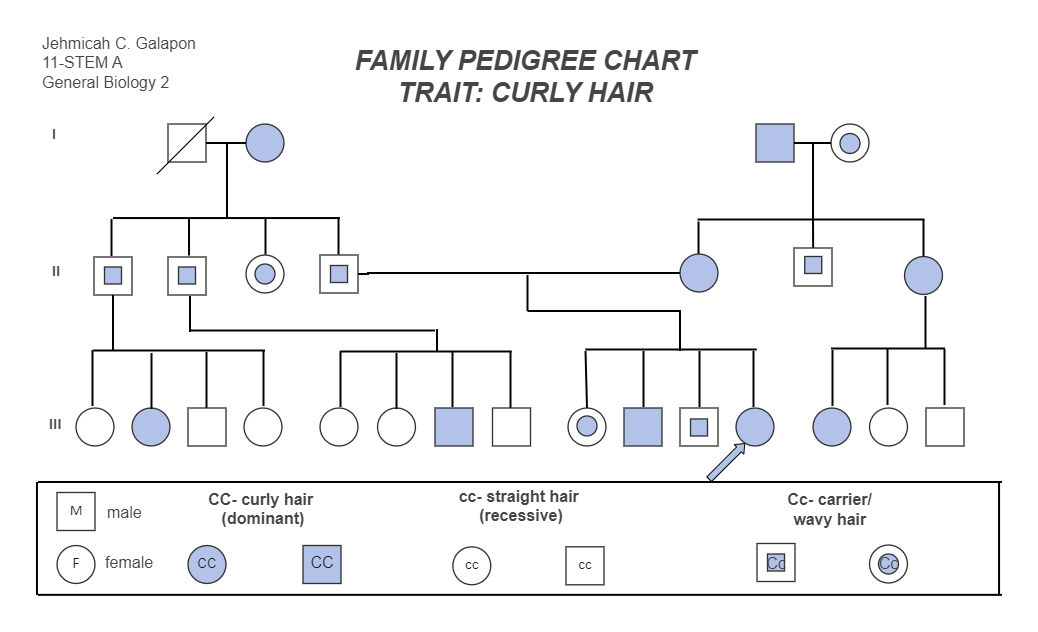
Family Pedigree Chart about Curly Hair EdrawMax Template

Curly Hair Dominant Or Recessive
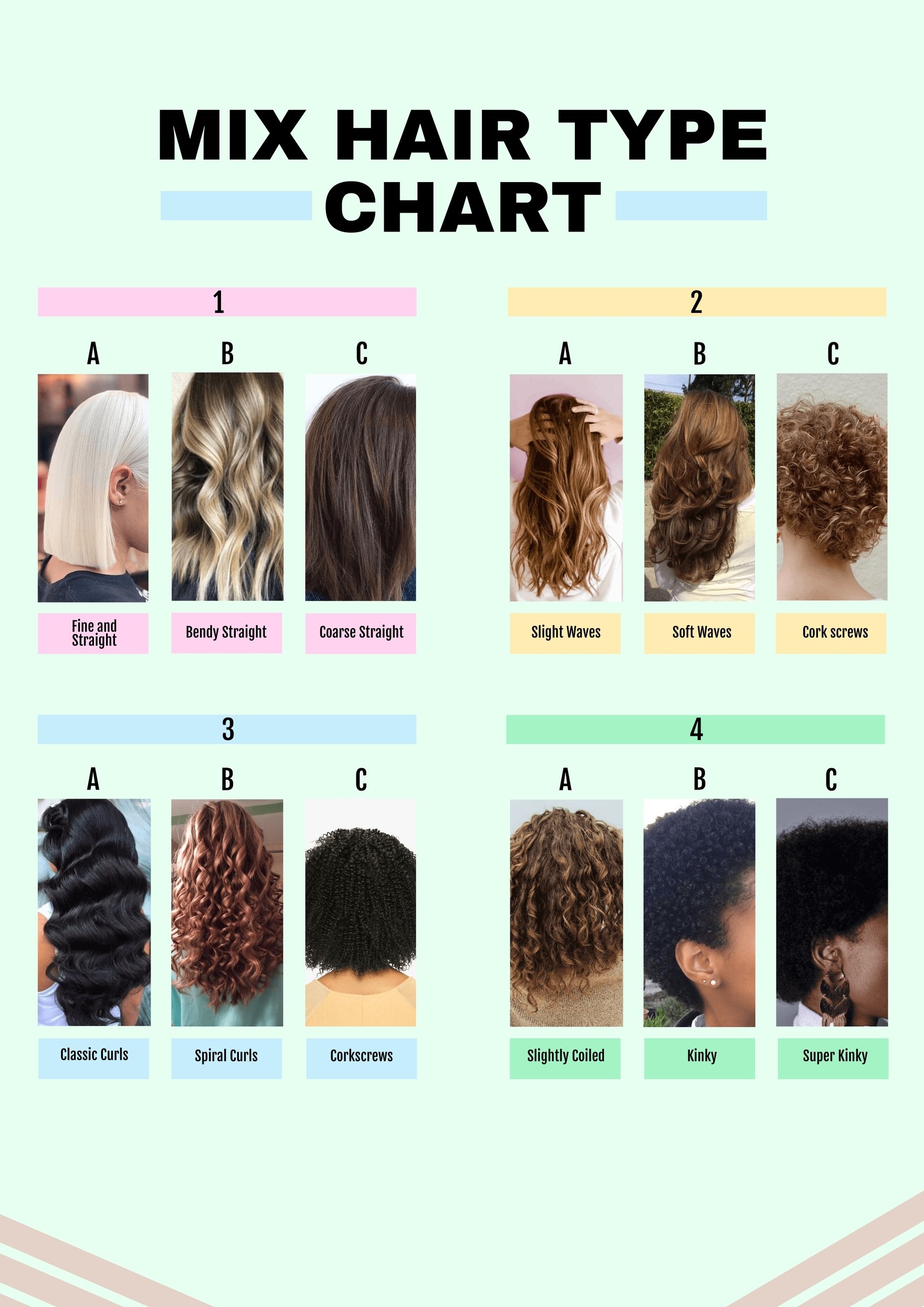
Curly Hair Types The Only Curly Hair Type Chart You Need Xrsbeautyhair atelieryuwa.ciao.jp
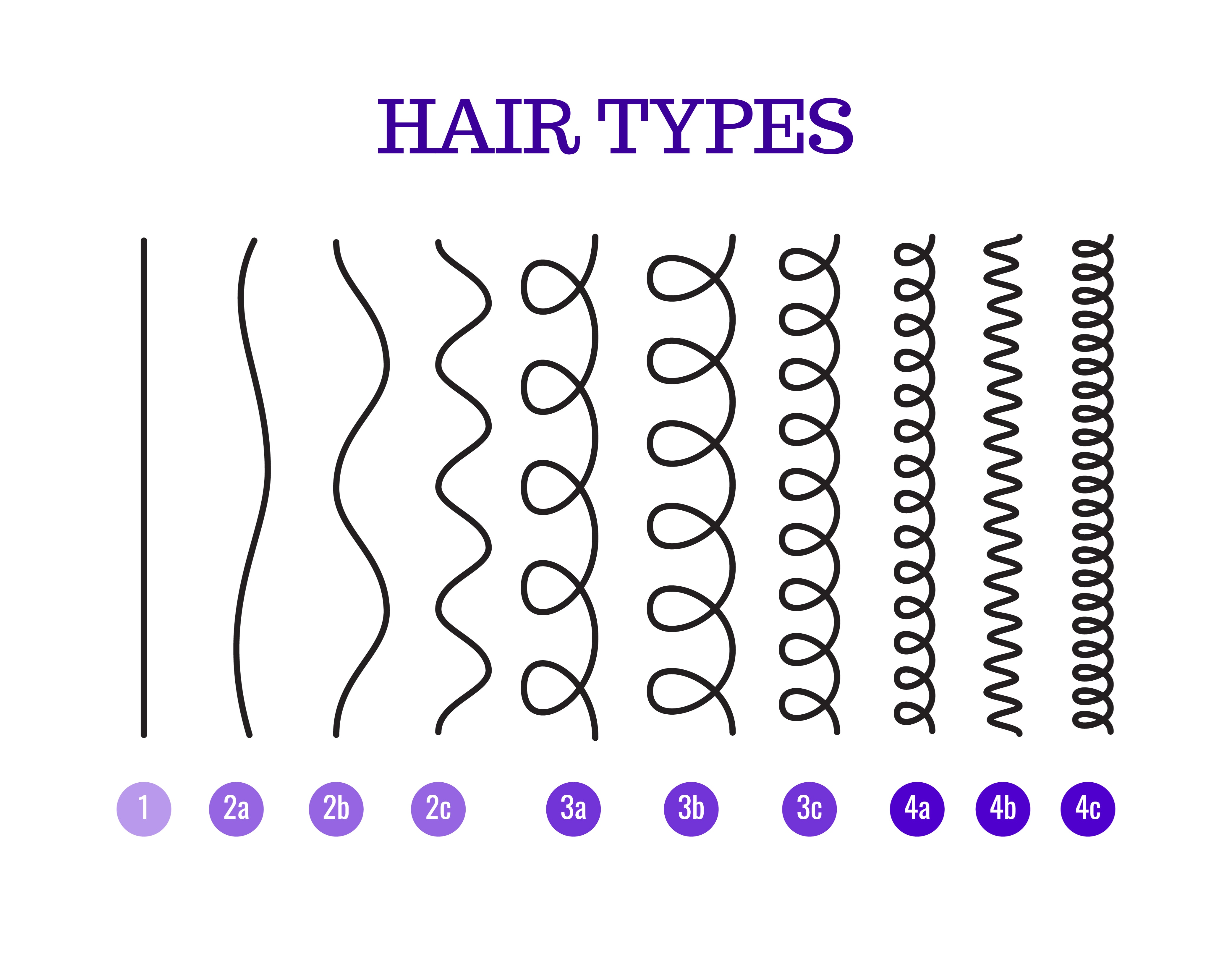
Types Of Curls Chart at Leland Davis blog
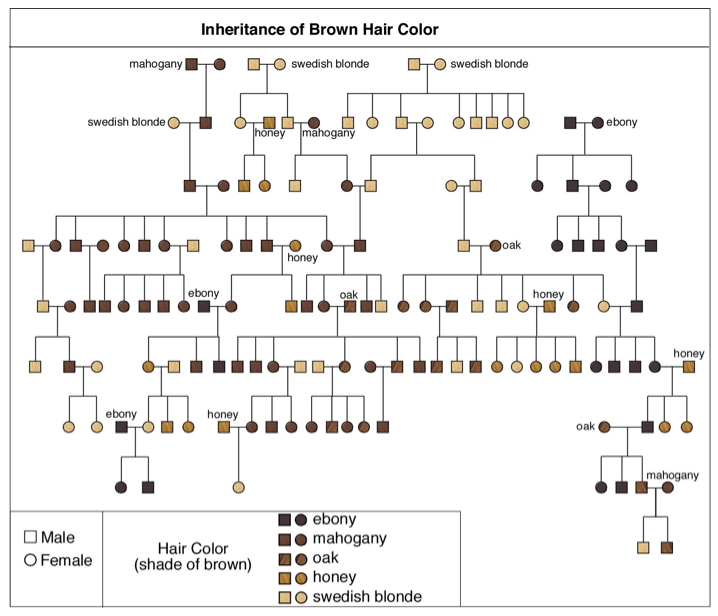
Is curly hair inherited from mother or father?
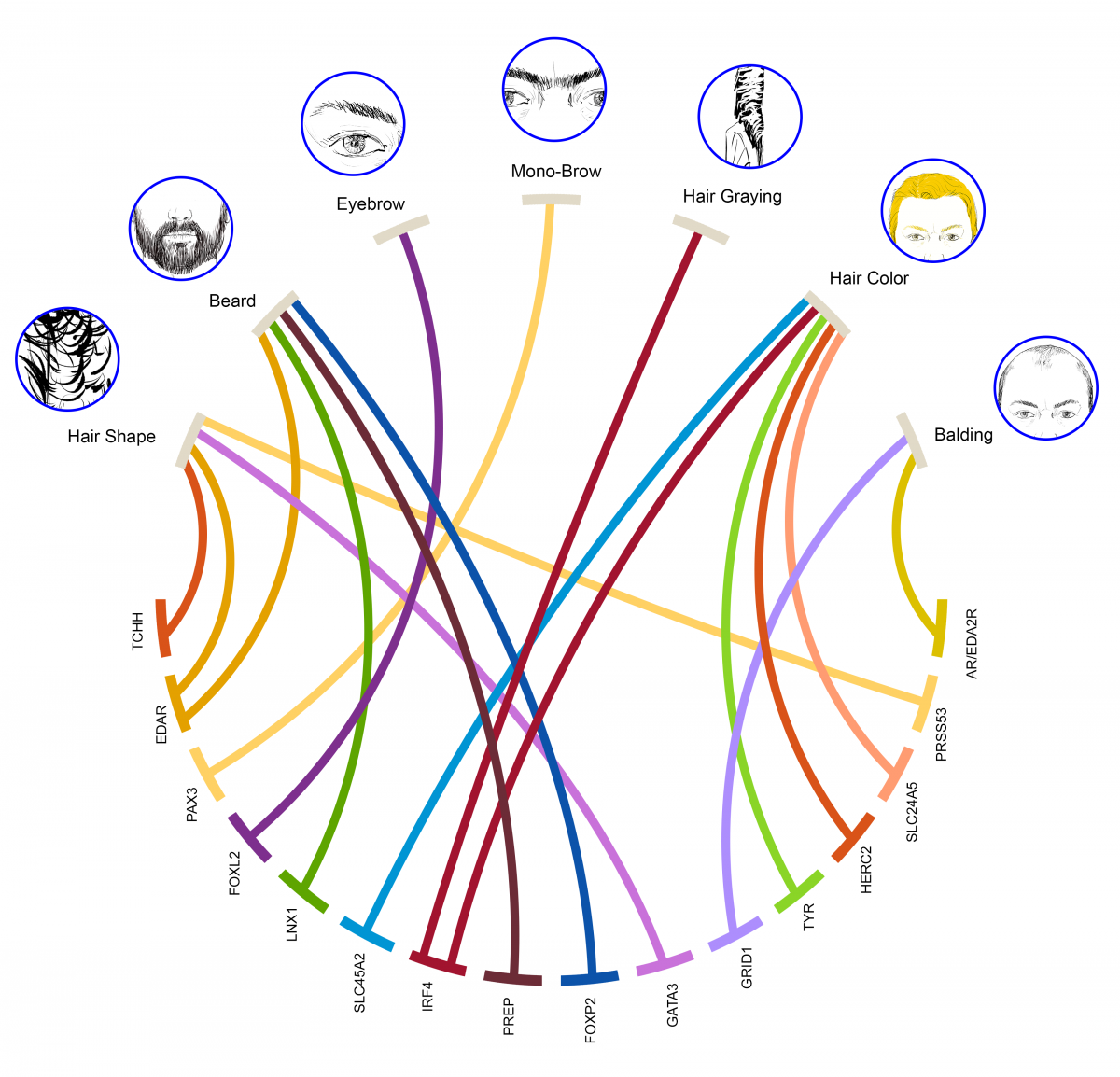
Genes for grey hair, curly hair and unibrows discovered by scientists
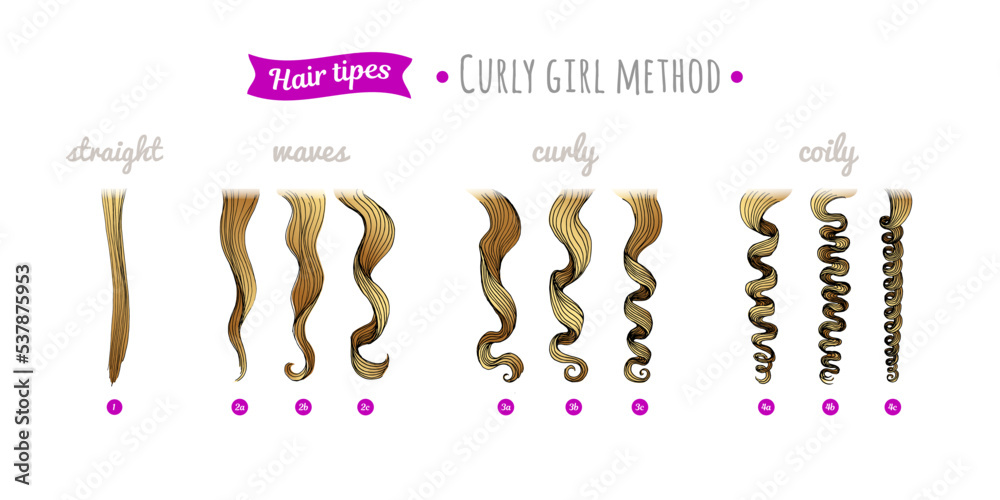
Scheme of curly hair of different types. Straight, waves, curly, coily hair. Curly hair type
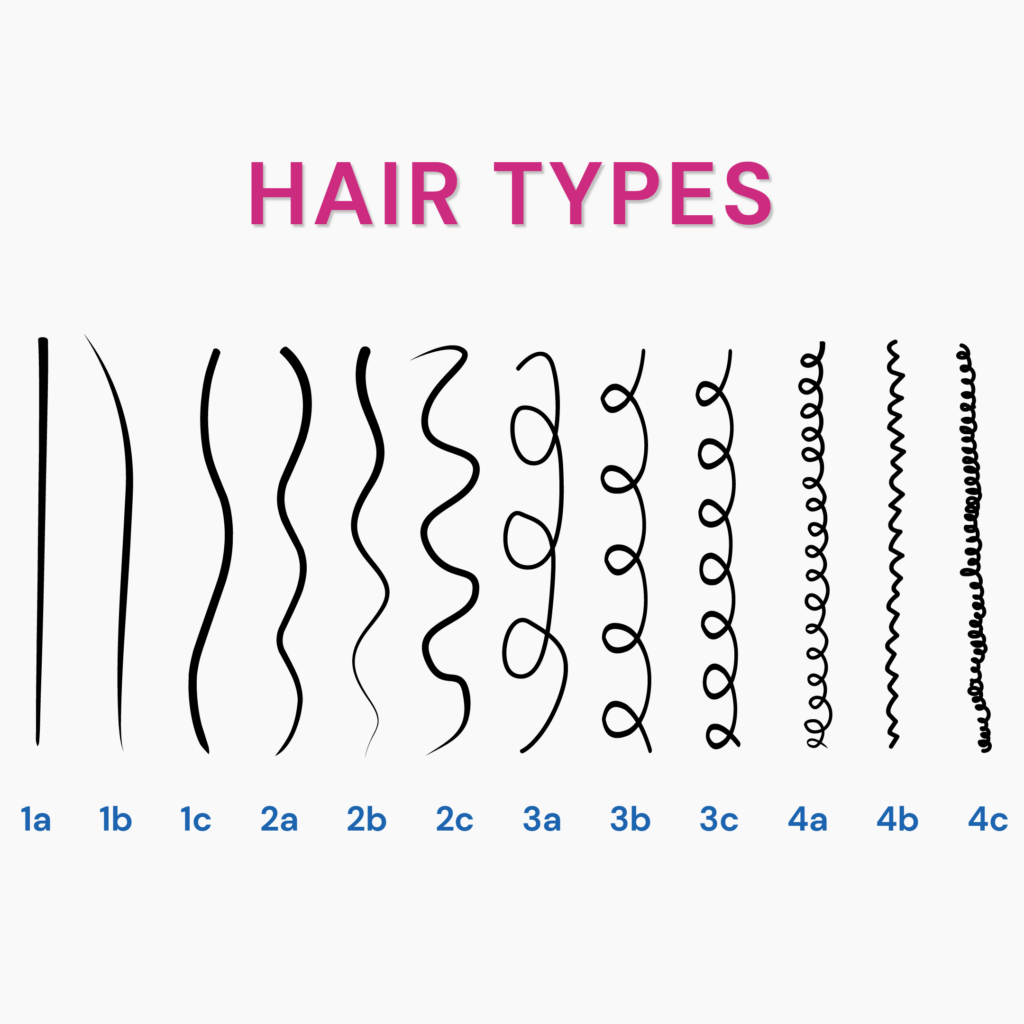
Is Curly Hair How DNA Affects Your Hair Type

75+ Curly Hair Statistics & Facts in 2023
It Is Believed That Multiple Genes Contribute To The Development Of Curly Hair, And The.
Identify Your Family's Genetic Hereditary (Dna) Traits.
Or If Your Parent Has.
Genetically, Curly Hair Often Follows A Dominant Pattern, Meaning If You Inherit The Curly Hair Gene From Even One Parent, You’re More Likely To Have Curls.
Related Post: