
Cologne Concentration Chart
Cologne Concentration Chart - Read our handy guide, below, and get your nose in the know! A fragrance concentration refers to the strength that a fragrance has. Fragrance concentration refers to the amount of oils in a fragrance, and it can be a useful guide when evaluating the strength and longevity of a fragrance. Perfumes with a higher fragrance concentration contain more perfume oils and less alcohol. In this post, we’re going to cover all types of fragrance concentrations. Read on to learn about. Fragrance concentrations play a big role in the overall identity of the perfume but also in performance. Different perfume types contain varying concentrations of fragrance oils that determine their strength and longevity. Cologne has a fragrance concentration ranging from 2% to 5%. From eau de cologne to parfum (extrait), each concentration has unique characteristics that affect the fragrance’s scent, longevity, and intensity. Ever wonder the difference between eau de parfum and eau de toilette, and countless other labels on perfume bottles? It is known for its fresh, light, and invigorating scent and is often used for everyday wear,. Parfum (perfume) is the strongest concentration you’ll find. Perfumes with a higher fragrance concentration contain more perfume oils and less alcohol. Read our handy guide, below, and get your nose in the know! In this post, we’re going to cover all types of fragrance concentrations. From eau de cologne to parfum (extrait), each concentration has unique characteristics that affect the fragrance’s scent, longevity, and intensity. Here's a quick breakdown of what each means, how long they last,. There are many different types of perfumes and concentrations, so, if equipped with the right tools, you are just one step closer to finding the right perfume concentration that suits. Fragrance concentrations play a big role in the overall identity of the perfume but also in performance. A fragrance concentration refers to the strength that a fragrance has. In this post, we’re going to cover all types of fragrance concentrations. Ever wonder the difference between eau de parfum and eau de toilette, and countless other labels on perfume bottles? Here's a quick breakdown of what each means, how long they last,. Fragrance concentration refers to the amount. From eau de cologne to parfum (extrait), each concentration has unique characteristics that affect the fragrance’s scent, longevity, and intensity. There are many different types of perfumes and concentrations, so, if equipped with the right tools, you are just one step closer to finding the right perfume concentration that suits. Read our handy guide, below, and get your nose in. Read our handy guide, below, and get your nose in the know! From eau de cologne to parfum (extrait), each concentration has unique characteristics that affect the fragrance’s scent, longevity, and intensity. In this post, we’re going to cover all types of fragrance concentrations. It is known for its fresh, light, and invigorating scent and is often used for everyday. Read our handy guide, below, and get your nose in the know! Parfum (perfume) is the strongest concentration you’ll find. Ever wonder the difference between eau de parfum and eau de toilette, and countless other labels on perfume bottles? Fragrance concentration refers to the amount of oils in a fragrance, and it can be a useful guide when evaluating the. Read on to learn about. Read our handy guide, below, and get your nose in the know! From eau de cologne to parfum (extrait), each concentration has unique characteristics that affect the fragrance’s scent, longevity, and intensity. It is known for its fresh, light, and invigorating scent and is often used for everyday wear,. Fragrance concentrations play a big role. It is known for its fresh, light, and invigorating scent and is often used for everyday wear,. From eau de cologne to parfum (extrait), each concentration has unique characteristics that affect the fragrance’s scent, longevity, and intensity. There are many different types of perfumes and concentrations, so, if equipped with the right tools, you are just one step closer to. In this post, we’re going to cover all types of fragrance concentrations. Fragrance concentrations play a big role in the overall identity of the perfume but also in performance. Fragrance concentration refers to the amount of oils in a fragrance, and it can be a useful guide when evaluating the strength and longevity of a fragrance. It is known for. In this post, we’re going to cover all types of fragrance concentrations. A fragrance concentration refers to the strength that a fragrance has. Here's a quick breakdown of what each means, how long they last,. Read on to learn about. Read our handy guide, below, and get your nose in the know! Fragrance concentration refers to the amount of oils in a fragrance, and it can be a useful guide when evaluating the strength and longevity of a fragrance. It is known for its fresh, light, and invigorating scent and is often used for everyday wear,. Cologne has a fragrance concentration ranging from 2% to 5%. Ever wonder the difference between eau. Different perfume types contain varying concentrations of fragrance oils that determine their strength and longevity. There are many different types of perfumes and concentrations, so, if equipped with the right tools, you are just one step closer to finding the right perfume concentration that suits. Perfumes with a higher fragrance concentration contain more perfume oils and less alcohol. Fragrance concentrations. Fragrance concentration refers to the amount of oils in a fragrance, and it can be a useful guide when evaluating the strength and longevity of a fragrance. Cologne has a fragrance concentration ranging from 2% to 5%. From eau de cologne to parfum (extrait), each concentration has unique characteristics that affect the fragrance’s scent, longevity, and intensity. Ever wonder the difference between eau de parfum and eau de toilette, and countless other labels on perfume bottles? In this post, we’re going to cover all types of fragrance concentrations. Read our handy guide, below, and get your nose in the know! There are many different types of perfumes and concentrations, so, if equipped with the right tools, you are just one step closer to finding the right perfume concentration that suits. Here's a quick breakdown of what each means, how long they last,. Read on to learn about. Parfum (perfume) is the strongest concentration you’ll find. Different perfume types contain varying concentrations of fragrance oils that determine their strength and longevity. It is known for its fresh, light, and invigorating scent and is often used for everyday wear,.
What is the difference between cologne and perfume

Fragrance Concentration Guide in 2023 Eau de toilette, Fragrance, Eau de parfum

Fragrance Concentration Guide Fragrance Lounge

Your Guide To Perfume Scents and Strengths Copycat Fragrances

The Ultimate Fragrance Concentration Guide. Perfume recipes, Perfume scents, Fragrance
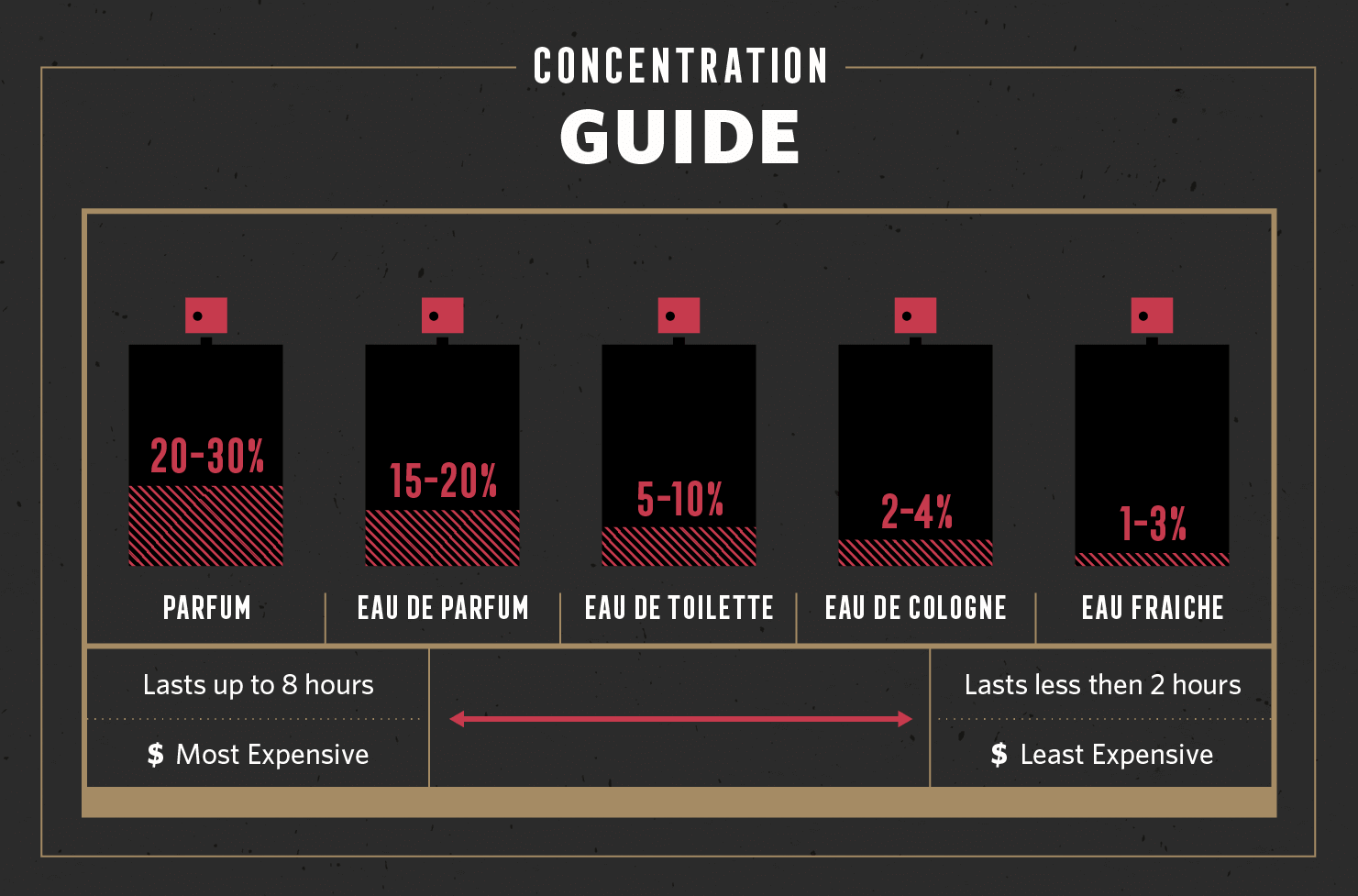
How to Apply Cologne A Man’s Guide to Fragrance Usage
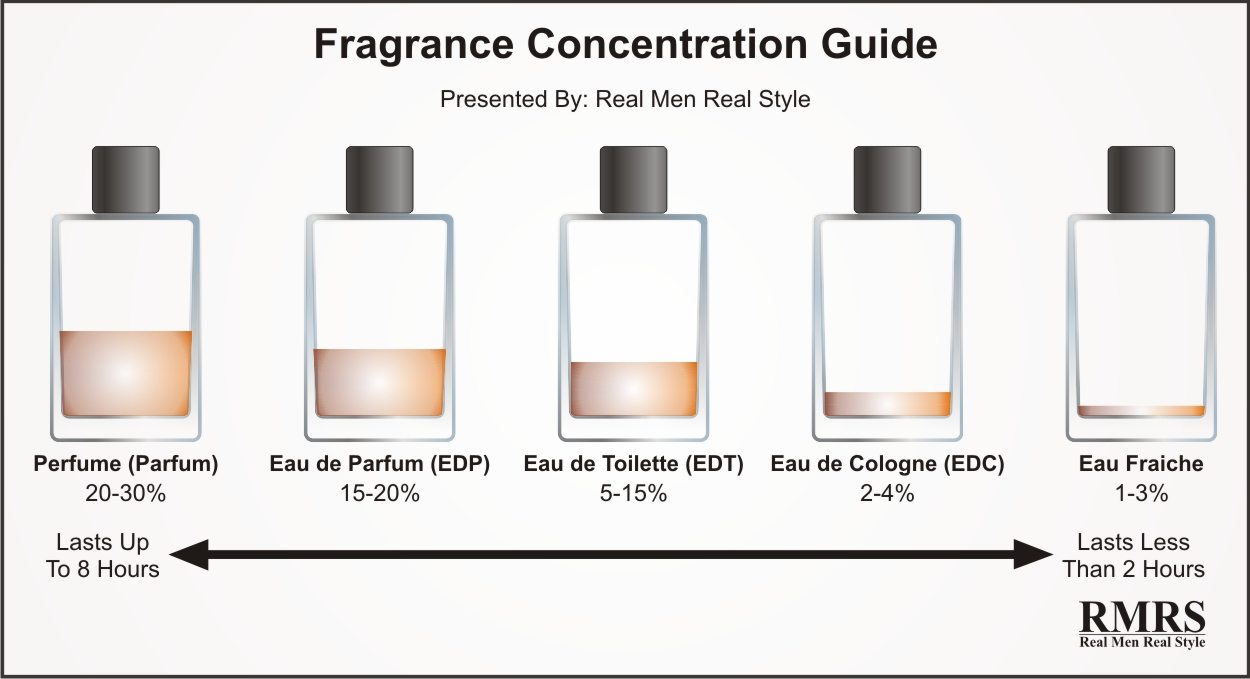
Fragrance Concentration Guide Infographic
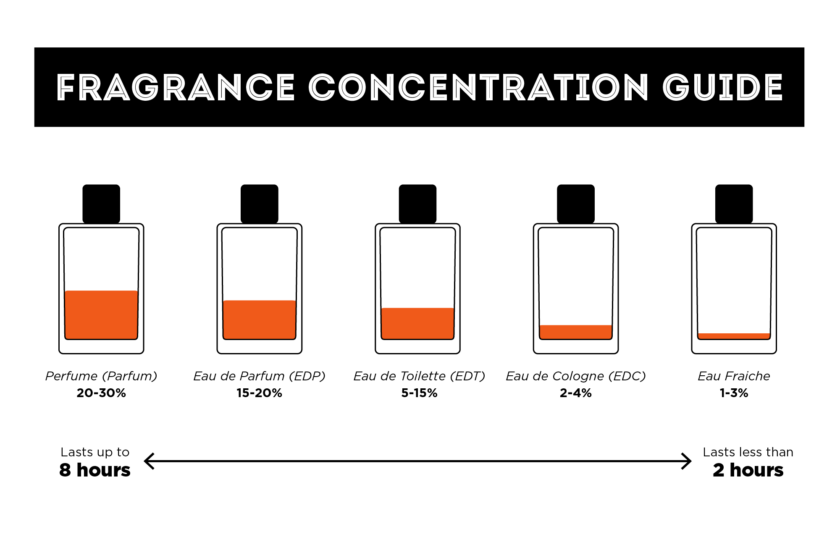
The Cologne Guide
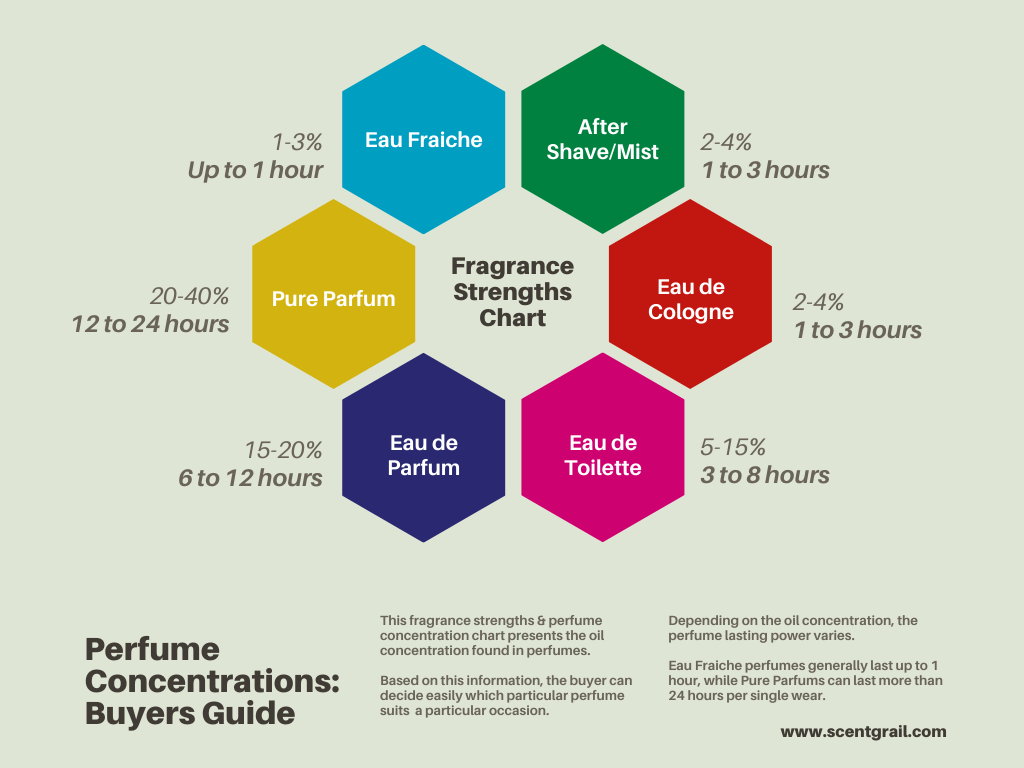
Fragrance Strengths & Perfume Concentrations An Easy Guide Scent Grail

Fragrance oil vs Perfume vs Cologne
Fragrance Concentrations Play A Big Role In The Overall Identity Of The Perfume But Also In Performance.
A Fragrance Concentration Refers To The Strength That A Fragrance Has.
Perfumes With A Higher Fragrance Concentration Contain More Perfume Oils And Less Alcohol.
Related Post: