
Centimorgans Chart
Centimorgans Chart - Two genes of a flower, one controlling blue (b) versus white (b) petals and the other controlling round (r) versus oval (r) stamens, are linked and are 10 map units apart. The centimorgan is not a measure of the physical distance between gene loci, but a measure of the linkage between loci. I was reading a paper titled "tetrad analysis in plants and fungi finds large differences in gene conversion rates but no gc bias" Linkage (physical linkage) is a measure of closeness on a chromosome. The answer hinges on a crucial distinction, which the difference between linkage and linkage disequilibrium. The recombination frequency of two genes on the same chromosome is expressed in centimorgans (cm). Classically, the linkage between two loci can be measured in centimorgans (cm), which represents the percent chance that these two loci will recombine an odd number of times. Is there an estimate that breaks down this total by chromosome (including the sex chromosomes)? In the human genome 1 centimorgan is approximately 10 6 base pairs, so the. Suppose that you have two genes located adjacent to each. Why do genetic testing companies (ftdna,ancestrydna,23andme) express dna shared in centimorgans (cm) instead of in number of base pairs or in percent? The centimorgan is not a measure of the physical distance between gene loci, but a measure of the linkage between loci. Haldane's map is an example that might be suitable for a. 1% recombination frequency is a distance of 1 centimorgan (cm) on the gene map. In the human genome 1 centimorgan is approximately 10 6 base pairs, so the. Linkage (physical linkage) is a measure of closeness on a chromosome. Two genes of a flower, one controlling blue (b) versus white (b) petals and the other controlling round (r) versus oval (r) stamens, are linked and are 10 map units apart. The recombination frequency of two genes on the same chromosome is expressed in centimorgans (cm). Classically, the linkage between two loci can be measured in centimorgans (cm), which represents the percent chance that these two loci will recombine an odd number of times. Yes, using centimorgans is fine if you know the conditional probability of recombination given centimorgans. Two genes of a flower, one controlling blue (b) versus white (b) petals and the other controlling round (r) versus oval (r) stamens, are linked and are 10 map units apart. The answer hinges on a crucial distinction, which the difference between linkage and linkage disequilibrium. Is there an estimate that breaks down this total by chromosome (including the sex. Using the rough estimate of 7,000 centimorgans in a human. Is there an estimate that breaks down this total by chromosome (including the sex chromosomes)? Why do genetic testing companies (ftdna,ancestrydna,23andme) express dna shared in centimorgans (cm) instead of in number of base pairs or in percent? Two genes of a flower, one controlling blue (b) versus white (b) petals. The centimorgan is not a measure of the physical distance between gene loci, but a measure of the linkage between loci. Haldane's map is an example that might be suitable for a. Linkage (physical linkage) is a measure of closeness on a chromosome. Is there an estimate that breaks down this total by chromosome (including the sex chromosomes)? The recombination. 1% recombination frequency is a distance of 1 centimorgan (cm) on the gene map. Why do genetic testing companies (ftdna,ancestrydna,23andme) express dna shared in centimorgans (cm) instead of in number of base pairs or in percent? Two genes of a flower, one controlling blue (b) versus white (b) petals and the other controlling round (r) versus oval (r) stamens, are. Suppose that you have two genes located adjacent to each. Classically, the linkage between two loci can be measured in centimorgans (cm), which represents the percent chance that these two loci will recombine an odd number of times. I was reading a paper titled "tetrad analysis in plants and fungi finds large differences in gene conversion rates but no gc. I was reading a paper titled "tetrad analysis in plants and fungi finds large differences in gene conversion rates but no gc bias" The recombination frequency of two genes on the same chromosome is expressed in centimorgans (cm). Is there an estimate that breaks down this total by chromosome (including the sex chromosomes)? Yes, using centimorgans is fine if you. Yes, using centimorgans is fine if you know the conditional probability of recombination given centimorgans. The centimorgan is not a measure of the physical distance between gene loci, but a measure of the linkage between loci. Is there an estimate that breaks down this total by chromosome (including the sex chromosomes)? Linkage (physical linkage) is a measure of closeness on. In the human genome 1 centimorgan is approximately 10 6 base pairs, so the. Haldane's map is an example that might be suitable for a. Classically, the linkage between two loci can be measured in centimorgans (cm), which represents the percent chance that these two loci will recombine an odd number of times. The centimorgan is not a measure of. Classically, the linkage between two loci can be measured in centimorgans (cm), which represents the percent chance that these two loci will recombine an odd number of times. I was reading a paper titled "tetrad analysis in plants and fungi finds large differences in gene conversion rates but no gc bias" 1% recombination frequency is a distance of 1 centimorgan. The centimorgan is not a measure of the physical distance between gene loci, but a measure of the linkage between loci. Haldane's map is an example that might be suitable for a. Using the rough estimate of 7,000 centimorgans in a human. Suppose that you have two genes located adjacent to each. 1% recombination frequency is a distance of 1. 1% recombination frequency is a distance of 1 centimorgan (cm) on the gene map. Linkage (physical linkage) is a measure of closeness on a chromosome. Why do genetic testing companies (ftdna,ancestrydna,23andme) express dna shared in centimorgans (cm) instead of in number of base pairs or in percent? Suppose that you have two genes located adjacent to each. The recombination frequency of two genes on the same chromosome is expressed in centimorgans (cm). Is there an estimate that breaks down this total by chromosome (including the sex chromosomes)? Classically, the linkage between two loci can be measured in centimorgans (cm), which represents the percent chance that these two loci will recombine an odd number of times. Haldane's map is an example that might be suitable for a. In the human genome 1 centimorgan is approximately 10 6 base pairs, so the. The centimorgan is not a measure of the physical distance between gene loci, but a measure of the linkage between loci. The answer hinges on a crucial distinction, which the difference between linkage and linkage disequilibrium. Two genes of a flower, one controlling blue (b) versus white (b) petals and the other controlling round (r) versus oval (r) stamens, are linked and are 10 map units apart.
Beginner's Guide to Shared Who are You Made Of?

Chart Understanding Your DNA Results

Compare for relationships. An interactive version of the shared cM data Dna
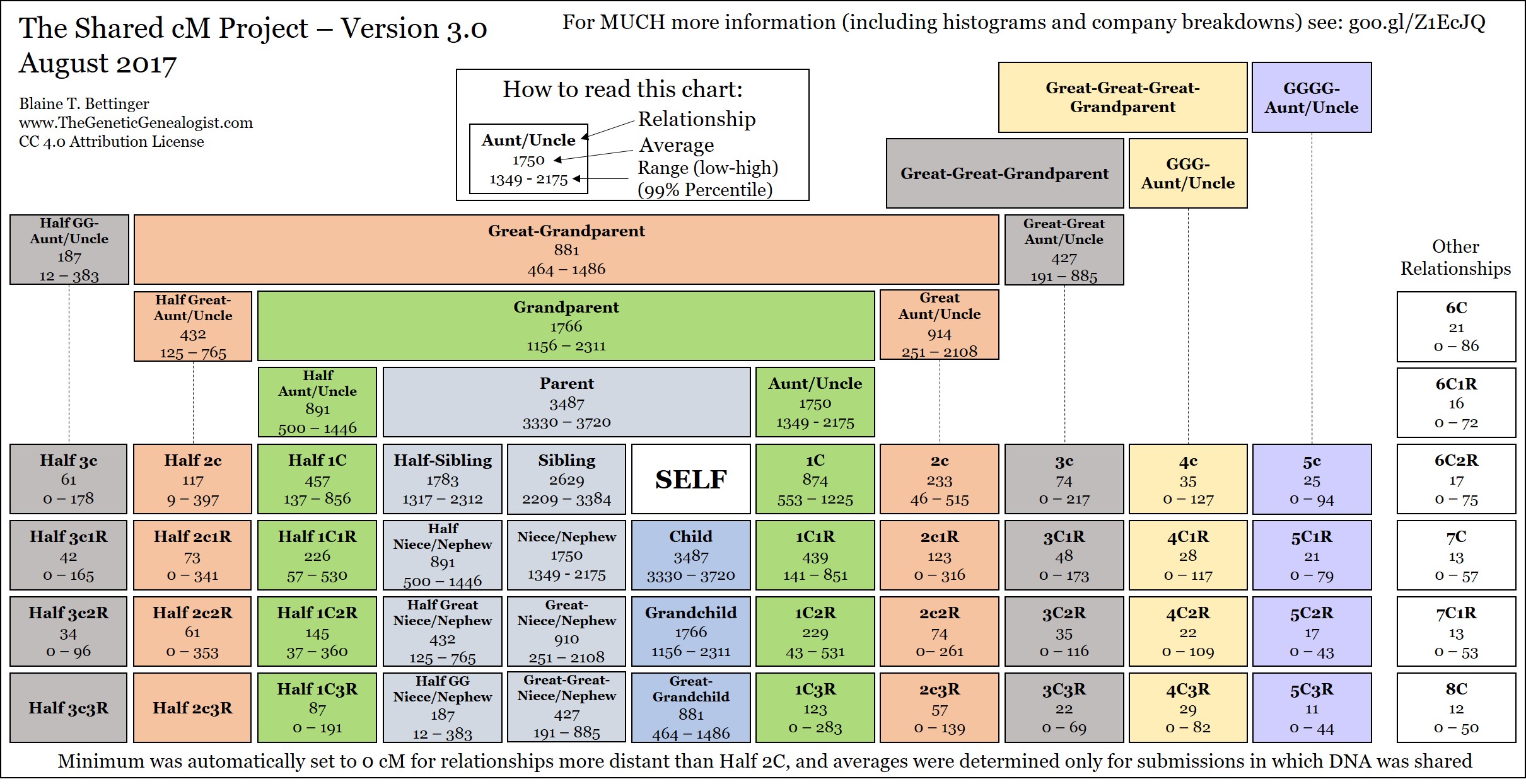
Need a DNA Chart? Who are You Made Of?

DNA Numbers What they mean and how to use them
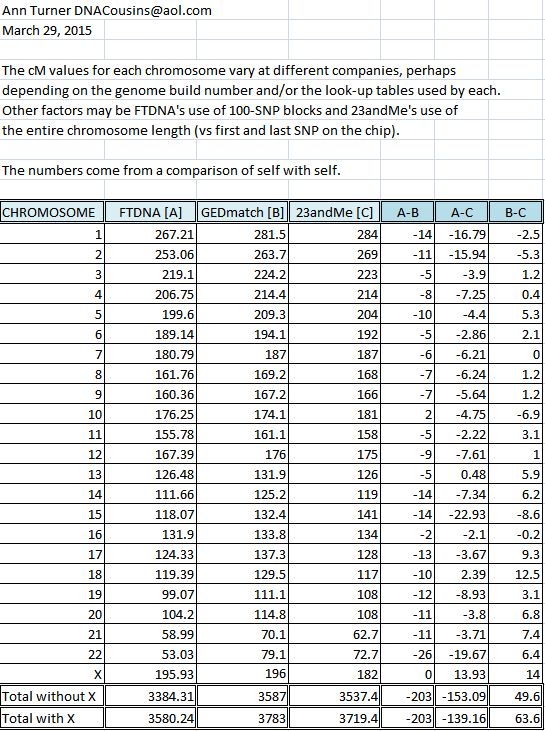
ISOGG Wiki

Chart Understanding DNA Relationships Living DNA
Need a DNA Chart? Who are You Made Of?
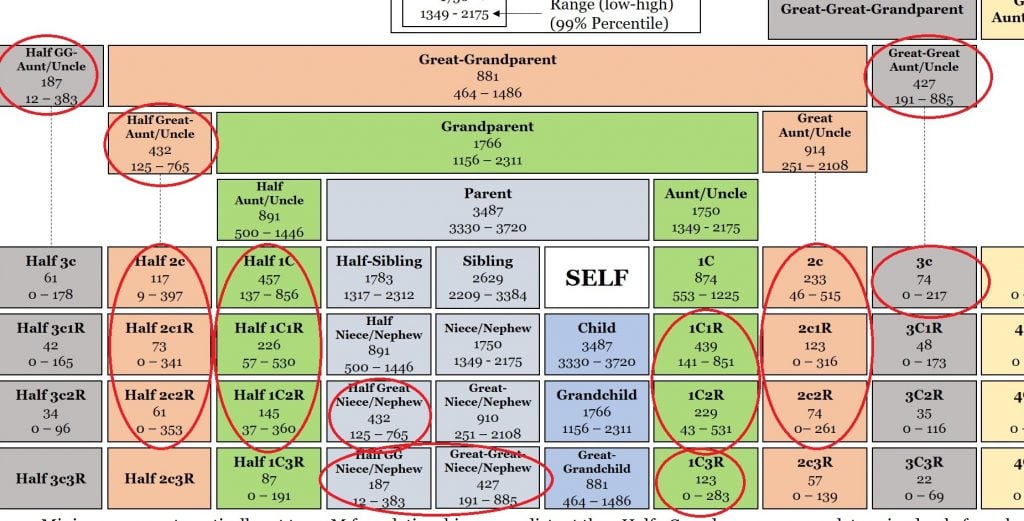
Chart Understanding Dna Relationships Liv vrogue.co

Beginner's Guide to Shared Who are You Made Of?
Yes, Using Centimorgans Is Fine If You Know The Conditional Probability Of Recombination Given Centimorgans.
Using The Rough Estimate Of 7,000 Centimorgans In A Human.
I Was Reading A Paper Titled &Quot;Tetrad Analysis In Plants And Fungi Finds Large Differences In Gene Conversion Rates But No Gc Bias&Quot;
Related Post: