
Bearing Specification Chart
Bearing Specification Chart - In this article, we’ll dive into the fascinating world of bearings, exploring 14 different types and their unique applications. Ball, roller, and sleeve bearings ready to bolt in place. Get ready to discover how these engineering marvels. A bearing is a mechanical part that allows linear or rotational movement and reduces friction between two objects. Different types of bearings are available based on our requirements. In this article, we are going to learn the basics of bearings like, definition, different parts, types, applications, maintenance tips, causes of failures, etc. Rolling bearings provide high precision and low friction and therefore enable high rotational speeds while reducing noise, heat, energy consumption and wear. It eases the movement, reduces fatigue, and improves speed and. A bearing is a machine element that constrains relative motion to only the desired motion and reduces friction between moving parts. Bearing is employed to support, guide,. Bearings are machine elements that allow components to move with respect to each other. Bearing is employed to support, guide,. Get ready to discover how these engineering marvels. In this article, we are going to learn the basics of bearings like, definition, different parts, types, applications, maintenance tips, causes of failures, etc. Bearings are a very small and crucial element. There are two types of bearings: A bearing is a mechanical part that allows linear or rotational movement and reduces friction between two objects. Rolling bearings provide high precision and low friction and therefore enable high rotational speeds while reducing noise, heat, energy consumption and wear. Support higher loads than ball bearings, but run at lower speeds. Different types of bearings are available based on our requirements. Bearings are a very small and crucial element. Different types of bearings are available based on our requirements. Ball, roller, and sleeve bearings ready to bolt in place. Get ready to discover how these engineering marvels. With no moving parts, the plainest type of bearing. In this article, we are going to learn the basics of bearings like, definition, different parts, types, applications, maintenance tips, causes of failures, etc. It eases the movement, reduces fatigue, and improves speed and. They can be known as the part of a. Bearing is employed to support, guide,. There are two types of bearings: Different types of bearings are available based on our requirements. A bearing is a machine element that constrains relative motion to only the desired motion and reduces friction between moving parts. It is used to restrict degrees of freedom of any part. Bearings are machine elements that allow components to move with respect to each other. A bearing is a. Different types of bearings are available based on our requirements. In other words, a bearing is a machine element that constrains relative motions and is used to reduce the friction between moving parts. Bearings are a very small and crucial element. A bearing is a mechanical element that is used on applications and equipment where rotary and linear motion are. In this article, we are going to learn the basics of bearings like, definition, different parts, types, applications, maintenance tips, causes of failures, etc. Bearing is employed to support, guide,. Bearings are machine elements that allow components to move with respect to each other. Get ready to discover how these engineering marvels. Bearings are a very small and crucial element. With no moving parts, the plainest type of bearing. Bearings are machine elements that allow components to move with respect to each other. In this article, we are going to learn the basics of bearings like, definition, different parts, types, applications, maintenance tips, causes of failures, etc. In other words, a bearing is a machine element that constrains relative motions. Ball, roller, and sleeve bearings ready to bolt in place. There are two types of bearings: Bearings are machine elements that allow components to move with respect to each other. A bearing is a mechanical part that allows linear or rotational movement and reduces friction between two objects. In this article, we’ll dive into the fascinating world of bearings, exploring. Different types of bearings are available based on our requirements. A bearing is a machine element that constrains relative motion to only the desired motion and reduces friction between moving parts. It is used to restrict degrees of freedom of any part. Ball, roller, and sleeve bearings ready to bolt in place. Support higher loads than ball bearings, but run. They can be known as the part of a. A bearing is a mechanical part that allows linear or rotational movement and reduces friction between two objects. Get ready to discover how these engineering marvels. There are two types of bearings: It is used to restrict degrees of freedom of any part. Bearings are a very small and crucial element. It eases the movement, reduces fatigue, and improves speed and. Support higher loads than ball bearings, but run at lower speeds. A bearing is a mechanical part that allows linear or rotational movement and reduces friction between two objects. In this article, we’ll dive into the fascinating world of bearings, exploring 14. With no moving parts, the plainest type of bearing. Bearing is employed to support, guide,. A bearing is a mechanical part that allows linear or rotational movement and reduces friction between two objects. In this article, we are going to learn the basics of bearings like, definition, different parts, types, applications, maintenance tips, causes of failures, etc. Different types of bearings are available based on our requirements. Support higher loads than ball bearings, but run at lower speeds. In other words, a bearing is a machine element that constrains relative motions and is used to reduce the friction between moving parts. In this article, we’ll dive into the fascinating world of bearings, exploring 14 different types and their unique applications. It is used to restrict degrees of freedom of any part. Bearings are machine elements that allow components to move with respect to each other. Rolling bearings provide high precision and low friction and therefore enable high rotational speeds while reducing noise, heat, energy consumption and wear. A bearing is a machine element that constrains relative motion to only the desired motion and reduces friction between moving parts. There are two types of bearings: Ball, roller, and sleeve bearings ready to bolt in place. They can be known as the part of a.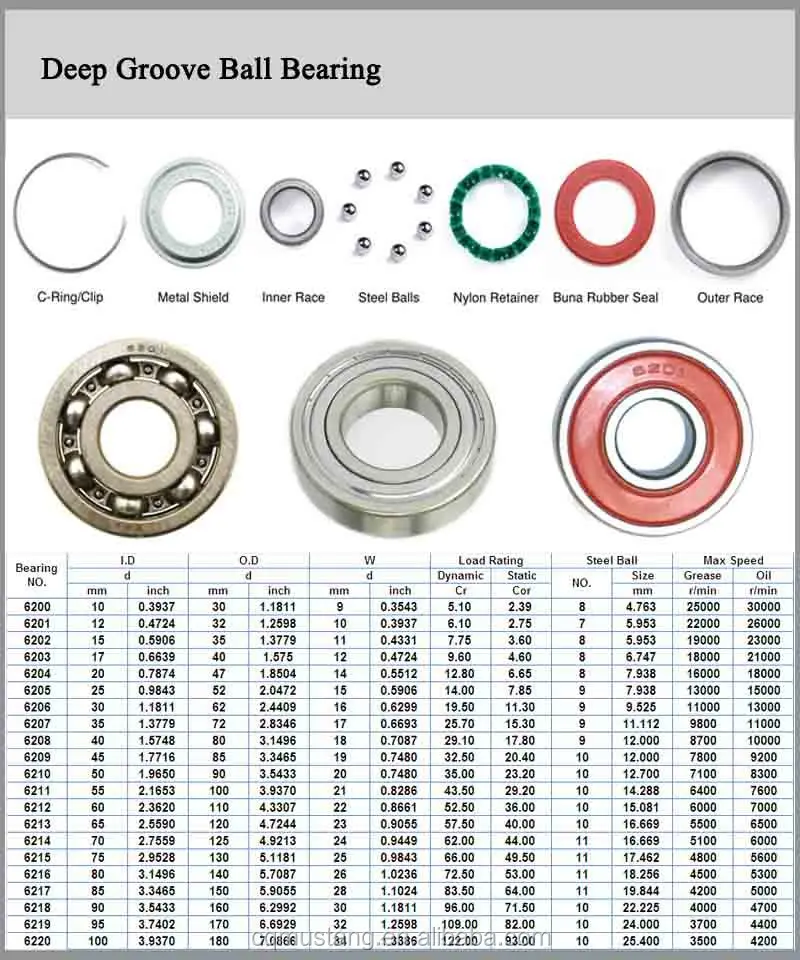
bearing number and size chart Wheel bearing sizes chart catalog
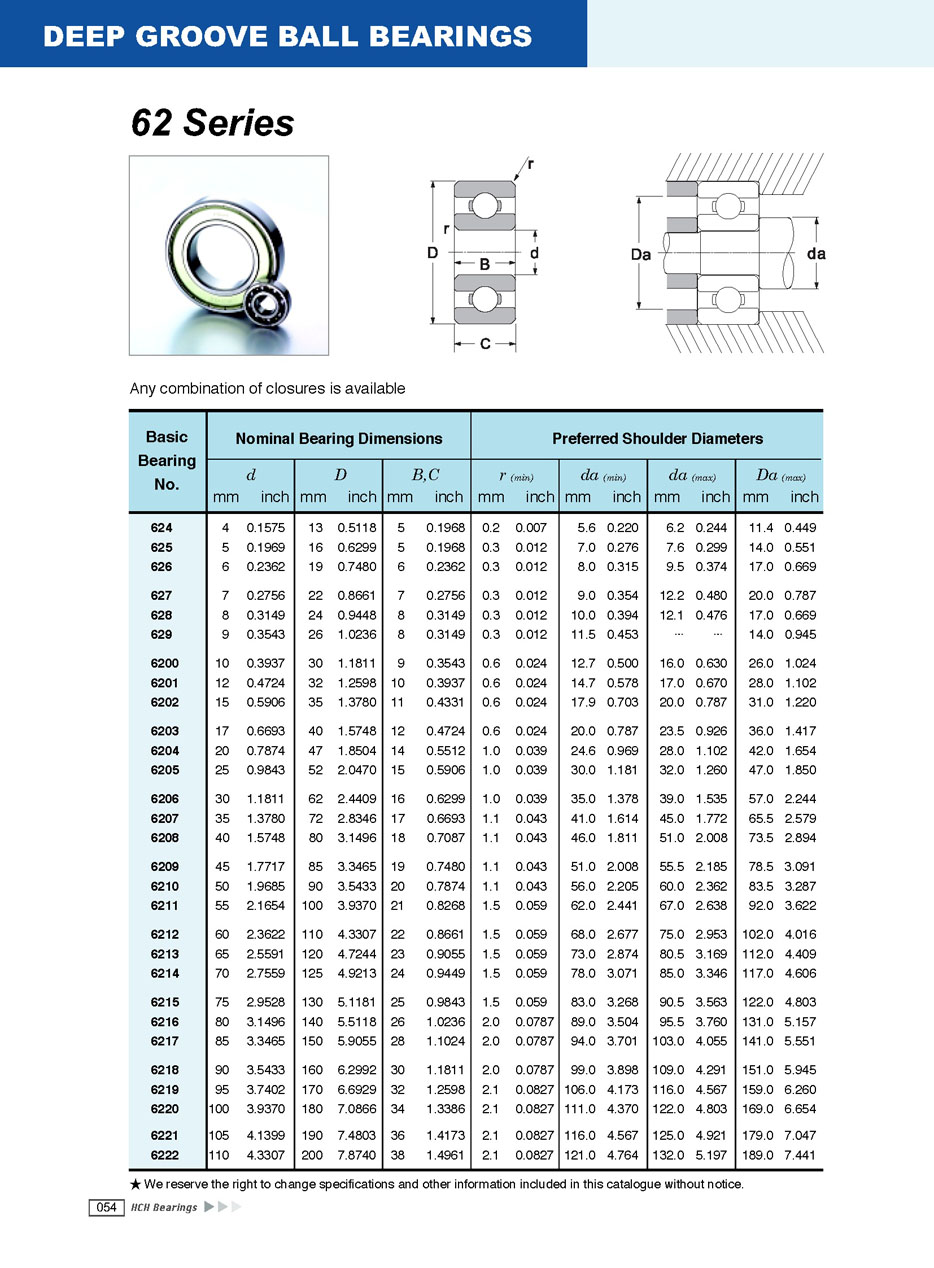
How To Read Bearing Specification at Diana Odonnell blog
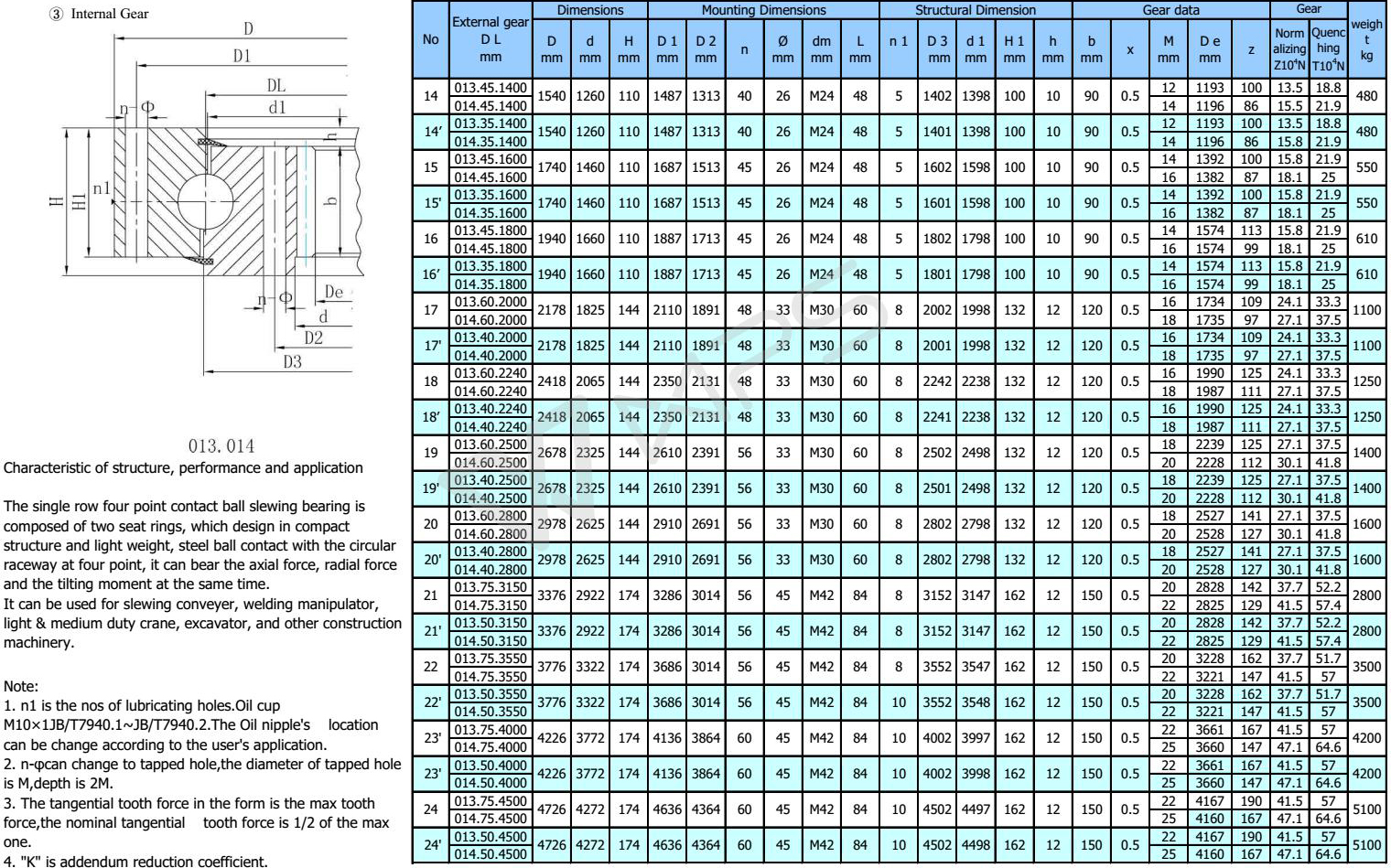
Ball Bearing Types Chart Types Of Bearings And Their Applica

How To Read Bearing Specification at Diana Odonnell blog
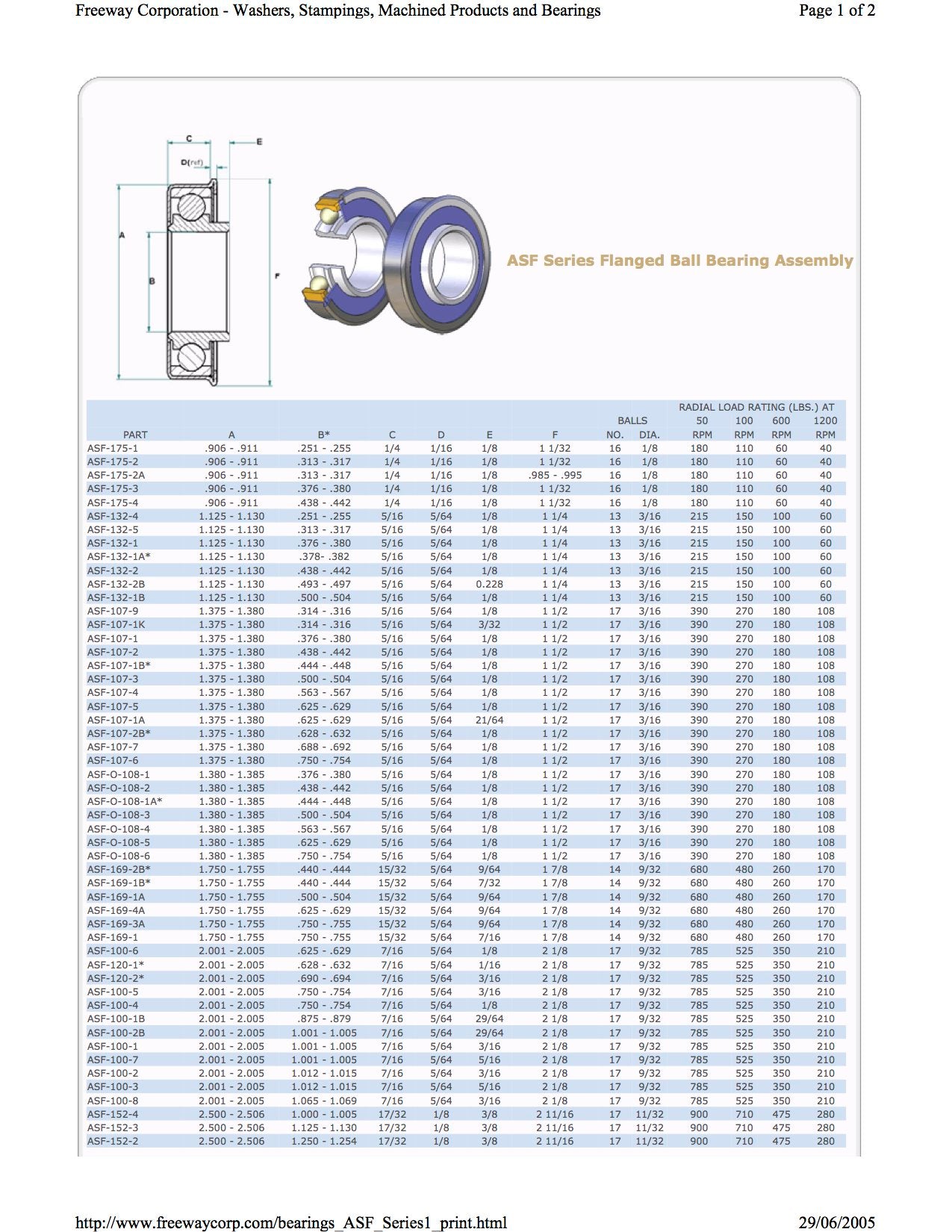
How To Read Bearing Specification at Diana Odonnell blog
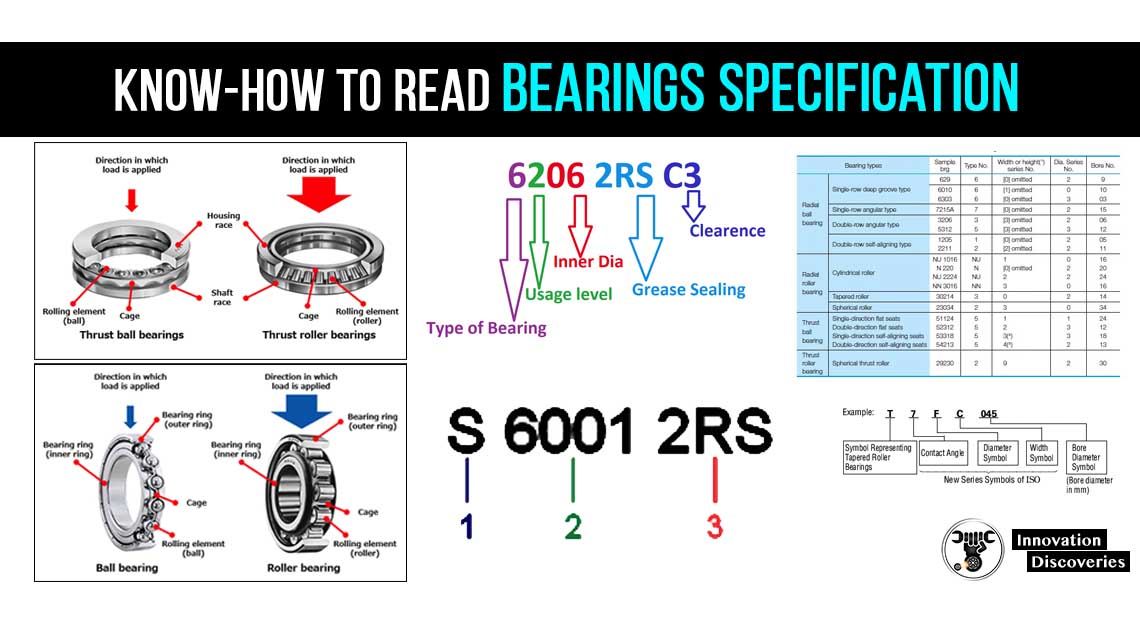
Bearing Nomenclature Chart

Bearing Specification Chart at Monique Wilkerson blog
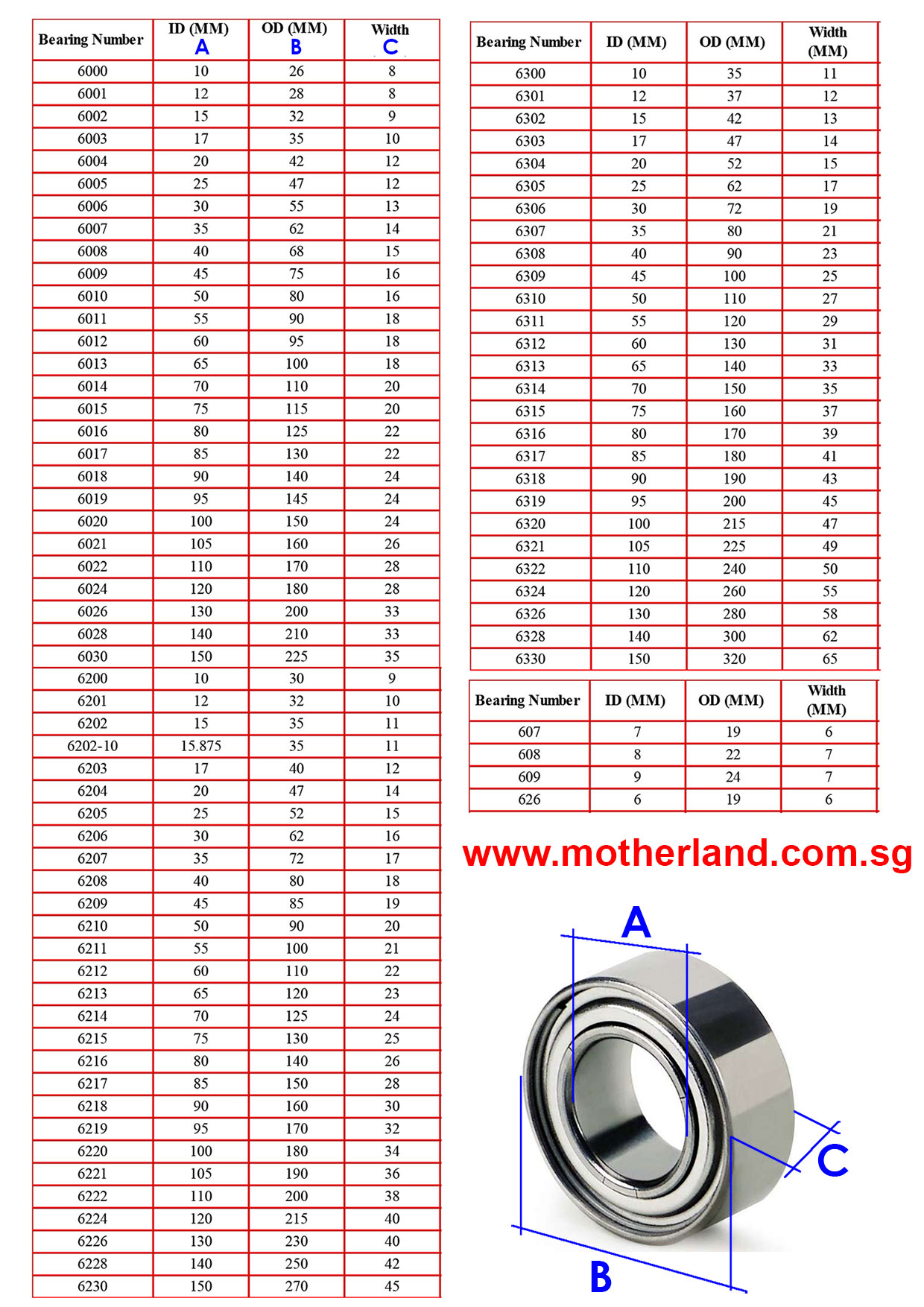
National Bearings By Size at Carl Santos blog

Bearing Specification Chart at Monique Wilkerson blog
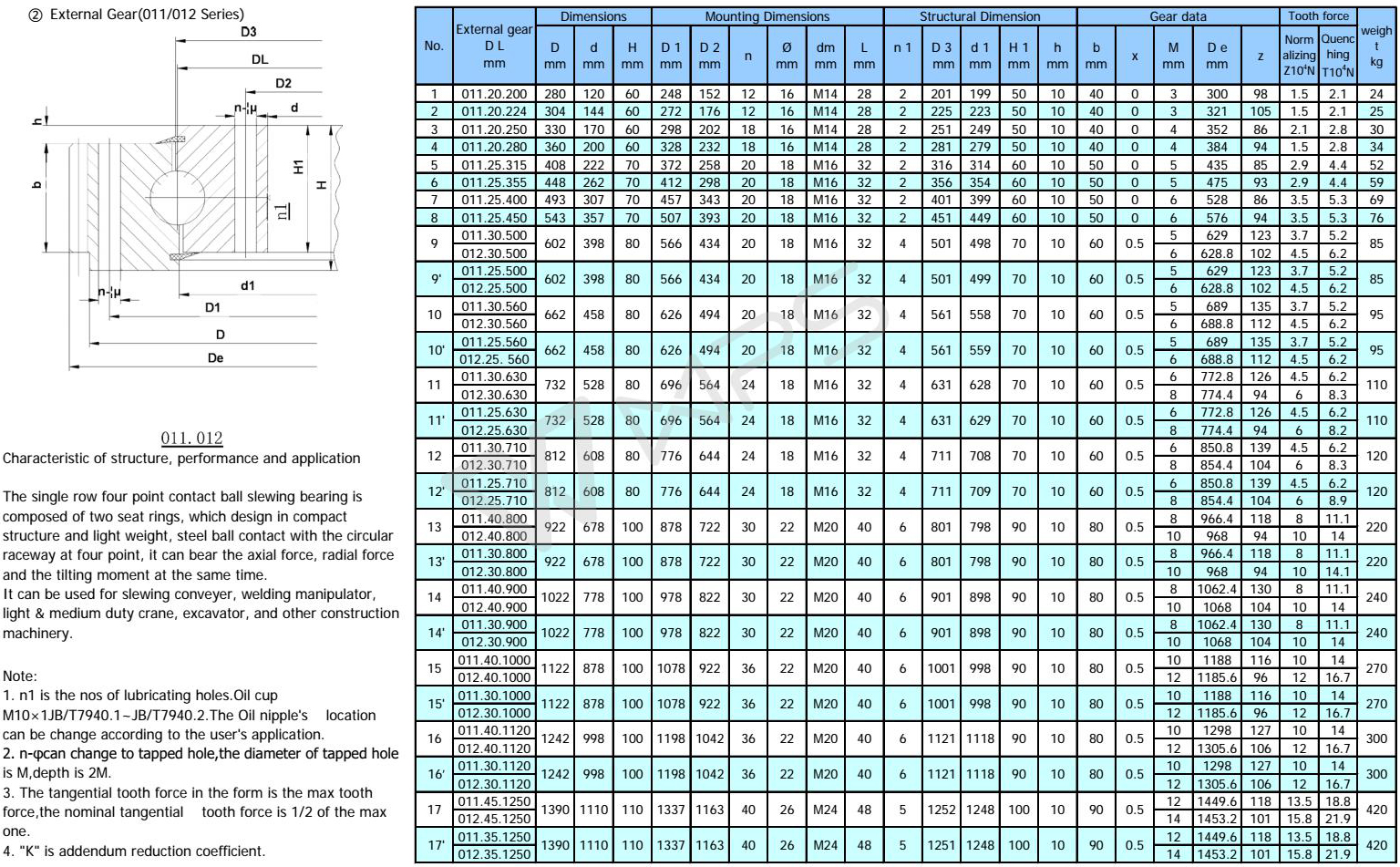
Single row ball bearing size chart XZWD
It Eases The Movement, Reduces Fatigue, And Improves Speed And.
Get Ready To Discover How These Engineering Marvels.
Bearings Are A Very Small And Crucial Element.
A Bearing Is A Mechanical Element That Is Used On Applications And Equipment Where Rotary And Linear Motion Are Required Or Present.
Related Post: