
Anodized Color Chart
Anodized Color Chart - This process increases the thickness of the natural oxide layer on the. It is an electrolytic process. Anodizing is an electrochemical process that converts the metal surface into an anodic oxide finish. Anodizing is a highly regarded surface treatment process primarily used to enhance the properties of aluminum. Aluminum is ideally suited to anodizing,. This finish is strong, durable, corrosion resistant, and highly. This process creates a durable oxide layer on aluminum,. Anodizing is an electrolytic passivation process used to increase the thickness of the natural oxide layer on the surface of metal parts. Anodizing is a key step in manufacturing aluminum cnc machined parts. Anodizing is an electrochemical technique that improves both the functionality and appearance of nonferrous metals, most commonly aluminum and its alloys, but also copper,. Anodizing is an electrochemical technique that improves both the functionality and appearance of nonferrous metals, most commonly aluminum and its alloys, but also copper,. Anodizing is an electrolytic passivation process used to increase the thickness of the natural oxide layer on the surface of metal parts. The process is called anodizing because the part to be. It is an electrolytic process. An electrochemical process that involves coating a metal part with an oxide surface layer, anodizing gives the part. Aluminum is ideally suited to anodizing,. This finish is strong, durable, corrosion resistant, and highly. Anodizing is a highly regarded surface treatment process primarily used to enhance the properties of aluminum. Anodizing is an electrochemical process that converts the metal surface into an anodic oxide finish. This process creates a durable oxide layer on aluminum,. This process increases the thickness of the natural oxide layer on the. The process is called anodizing because the part to be. Anodizing is an electrochemical technique that improves both the functionality and appearance of nonferrous metals, most commonly aluminum and its alloys, but also copper,. Anodizing is an electrolytic passivation process used to increase the thickness of the natural. This process increases the thickness of the natural oxide layer on the. An electrochemical process that involves coating a metal part with an oxide surface layer, anodizing gives the part. It is an electrolytic process. Anodizing is an electrolytic passivation process used to increase the thickness of the natural oxide layer on the surface of metal parts. The process is. This finish is strong, durable, corrosion resistant, and highly. Anodizing is an electrochemical process that converts the metal surface into an anodic oxide finish. Anodizing is a highly regarded surface treatment process primarily used to enhance the properties of aluminum. Anodizing is an electrochemical technique that improves both the functionality and appearance of nonferrous metals, most commonly aluminum and its. This process creates a durable oxide layer on aluminum,. An electrochemical process that involves coating a metal part with an oxide surface layer, anodizing gives the part. Anodizing is an electrochemical process that creates a thick protective finish on a piece of metal in a rapid and controlled manner. Aluminum is ideally suited to anodizing,. Anodizing is a highly regarded. Anodizing is an electrochemical process that converts the metal surface into an anodic oxide finish. Anodizing is a highly regarded surface treatment process primarily used to enhance the properties of aluminum. This process creates a durable oxide layer on aluminum,. Anodizing is an electrolytic passivation process used to increase the thickness of the natural oxide layer on the surface of. Anodizing is an electrochemical technique that improves both the functionality and appearance of nonferrous metals, most commonly aluminum and its alloys, but also copper,. This process creates a durable oxide layer on aluminum,. An electrochemical process that involves coating a metal part with an oxide surface layer, anodizing gives the part. The process is called anodizing because the part to. This process increases the thickness of the natural oxide layer on the. Anodizing is an electrolytic passivation process used to increase the thickness of the natural oxide layer on the surface of metal parts. Anodizing is an electrochemical process that converts the metal surface into an anodic oxide finish. An electrochemical process that involves coating a metal part with an. Anodizing is a highly regarded surface treatment process primarily used to enhance the properties of aluminum. This finish is strong, durable, corrosion resistant, and highly. Anodizing is an electrochemical technique that improves both the functionality and appearance of nonferrous metals, most commonly aluminum and its alloys, but also copper,. An electrochemical process that involves coating a metal part with an. The process is called anodizing because the part to be. This finish is strong, durable, corrosion resistant, and highly. This process creates a durable oxide layer on aluminum,. Anodizing is a highly regarded surface treatment process primarily used to enhance the properties of aluminum. It is an electrolytic process. Anodizing is an electrolytic passivation process used to increase the thickness of the natural oxide layer on the surface of metal parts. Anodizing is a highly regarded surface treatment process primarily used to enhance the properties of aluminum. Anodizing is a key step in manufacturing aluminum cnc machined parts. This process increases the thickness of the natural oxide layer on. Anodizing is an electrochemical process that creates a thick protective finish on a piece of metal in a rapid and controlled manner. Anodizing is an electrolytic passivation process used to increase the thickness of the natural oxide layer on the surface of metal parts. This finish is strong, durable, corrosion resistant, and highly. Anodizing is a highly regarded surface treatment process primarily used to enhance the properties of aluminum. It is an electrolytic process. The process is called anodizing because the part to be. An electrochemical process that involves coating a metal part with an oxide surface layer, anodizing gives the part. This process creates a durable oxide layer on aluminum,. Anodizing is an electrochemical technique that improves both the functionality and appearance of nonferrous metals, most commonly aluminum and its alloys, but also copper,. Anodizing is a key step in manufacturing aluminum cnc machined parts.
Us Anodizing Color Chart Paint Color Options Are Changing At
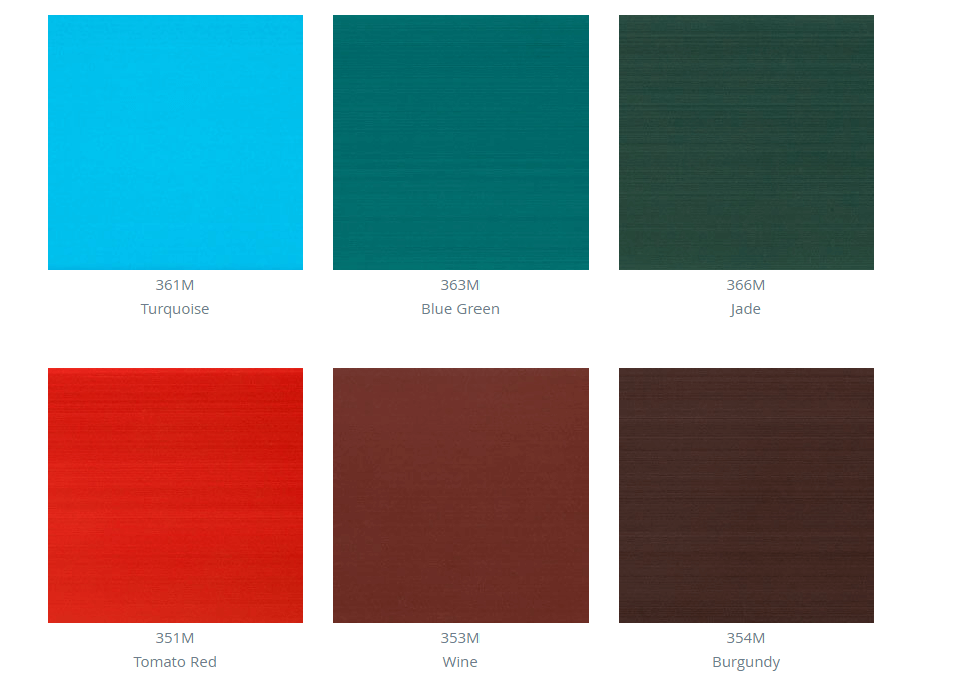
aluminum anodized color chart Anodized aluminum sheet colors for selection

Aluminum Anodizing Color Chart at Dorothy Anderson blog

aluminum anodized color chart Anodized aluminum sheet colors for selection
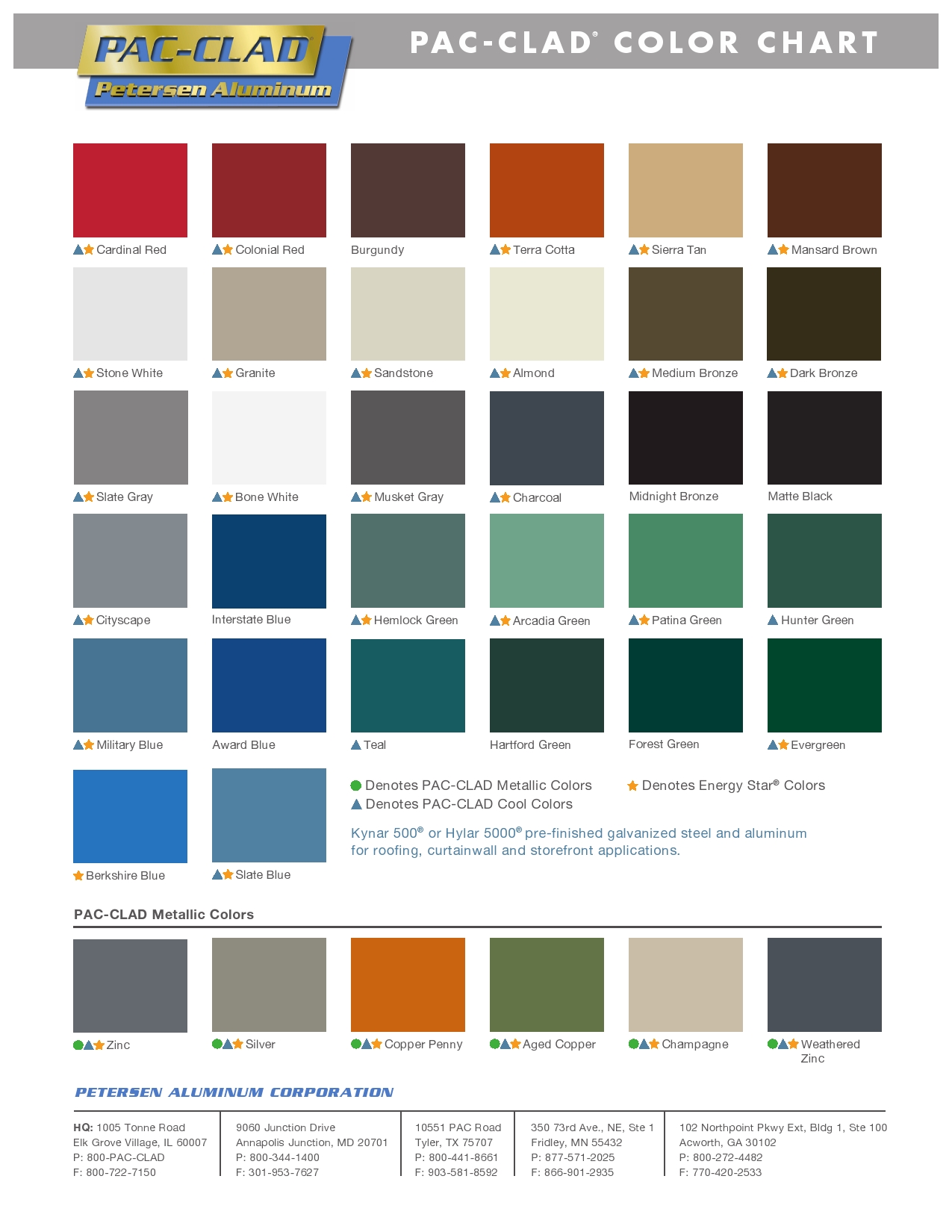
Aluminum Anodizing Color Chart at Dorothy Anderson blog

Us Anodizing Color Chart
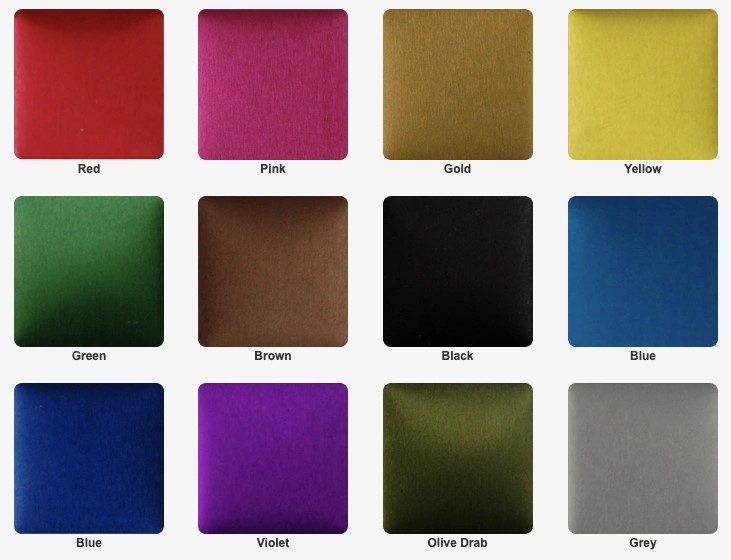
Us Anodizing Color Chart
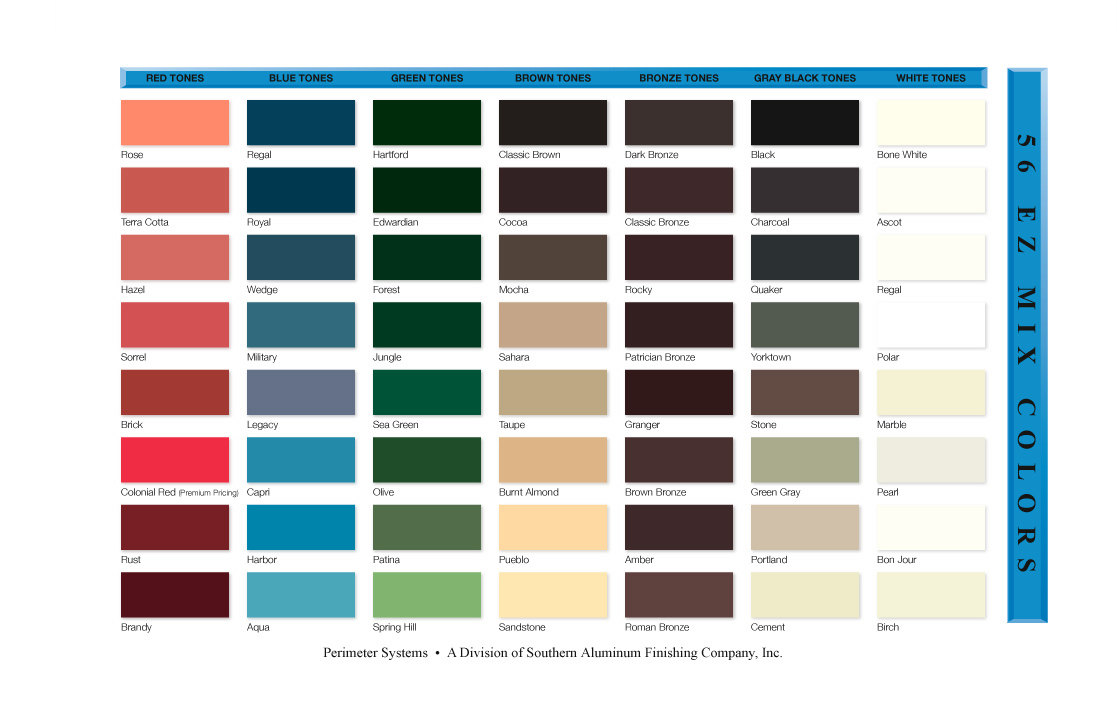
Anodized Aluminum Color Chart

Aluminum Anodizing Color Chart
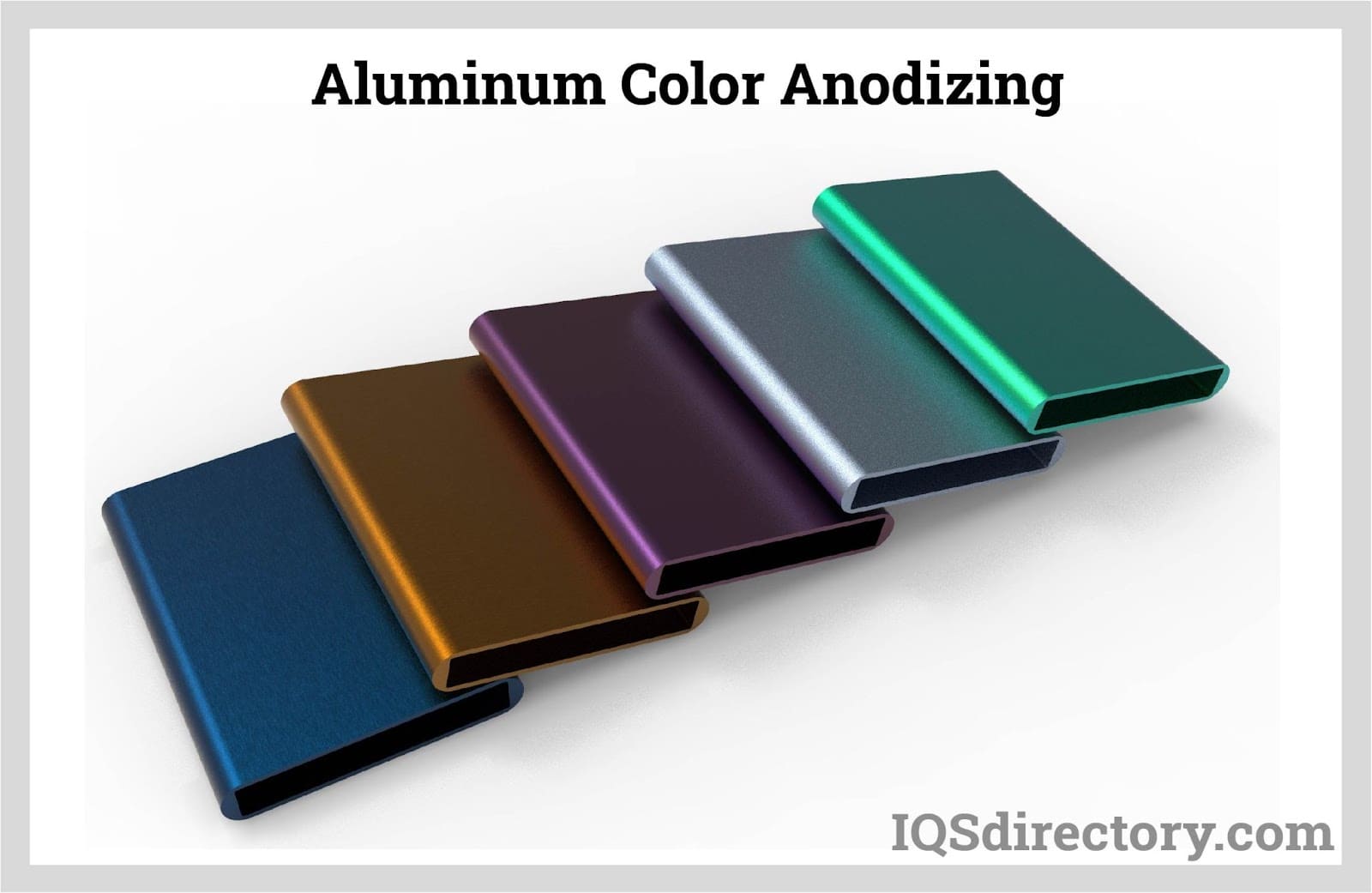
Anodized Aluminum Finish Color Chart at Nicholas Rojas blog
Aluminum Is Ideally Suited To Anodizing,.
This Process Increases The Thickness Of The Natural Oxide Layer On The.
Anodizing Is An Electrochemical Process That Converts The Metal Surface Into An Anodic Oxide Finish.
Related Post: