
Allulose Conversion Chart
Allulose Conversion Chart - Allulose is a simple sugar that is produced commercially and found naturally in several food sources. Learn more about the safety, side effects, and uses. Allulose is a type of sugar that resembles fructose, which is the sugar that occurs naturally in fruit. Allulose is a naturally occurring sugar found at low levels in figs, raisins, wheat, maple syrup and molasses. Discover what allulose is, how it compares to sugar, its potential health benefits, safety concerns, and tips for using this rare sugar. Allulose is a monosaccharide—a single molecule of sugar—so there is technically no digestion that takes place after it’s consumed. Allulose is an alternative sweetener that has 90% fewer calories than normal sugar. Allulose is a sweetener that tastes like sugar but contains minimal calories and carbs. It is available in a granulated form and looks like everyday sugar. It’s also available as a sugar substitute and can be used in recipes. It is available in a granulated form and looks like everyday sugar. Learn if allulose is right for your diet. This article examines the safety and health effects of allulose. Instead, allulose is rapidly absorbed by the. Allulose is a monosaccharide—a single molecule of sugar—so there is technically no digestion that takes place after it’s consumed. Learn more about the safety, side effects, and uses. Discover what allulose is, how it compares to sugar, its potential health benefits, safety concerns, and tips for using this rare sugar. It’s also available as a sugar substitute and can be used in recipes. Allulose is a sweetener that tastes like sugar but contains minimal calories and carbs. Allulose is an alternative sweetener that has 90% fewer calories than normal sugar. It is available in a granulated form and looks like everyday sugar. Benefits can include fat loss and not impacting blood sugar levels. Soon you’ll be able to find it in a wide range of foods and beverages to support a. Allulose is a simple sugar that is produced commercially and found naturally in several food sources. Allulose is a. Learn more about the safety, side effects, and uses. Instead, allulose is rapidly absorbed by the. Allulose is a monosaccharide—a single molecule of sugar—so there is technically no digestion that takes place after it’s consumed. Allulose is a type of sugar that resembles fructose, which is the sugar that occurs naturally in fruit. This article examines the safety and health. Allulose is a naturally occurring sugar found at low levels in figs, raisins, wheat, maple syrup and molasses. Allulose is a simple sugar that is produced commercially and found naturally in several food sources. Allulose is an alternative sweetener that has 90% fewer calories than normal sugar. Allulose is a type of sugar that resembles fructose, which is the sugar. Soon you’ll be able to find it in a wide range of foods and beverages to support a. Allulose is an alternative sweetener that has 90% fewer calories than normal sugar. Discover what allulose is, how it compares to sugar, its potential health benefits, safety concerns, and tips for using this rare sugar. It’s also available as a sugar substitute. Allulose is an alternative sweetener that has 90% fewer calories than normal sugar. Discover what allulose is, how it compares to sugar, its potential health benefits, safety concerns, and tips for using this rare sugar. Learn if allulose is right for your diet. Soon you’ll be able to find it in a wide range of foods and beverages to support. Allulose is a naturally occurring sugar found at low levels in figs, raisins, wheat, maple syrup and molasses. Allulose is a monosaccharide—a single molecule of sugar—so there is technically no digestion that takes place after it’s consumed. Learn more about the safety, side effects, and uses. It’s also available as a sugar substitute and can be used in recipes. It. Learn more about the safety, side effects, and uses. Benefits can include fat loss and not impacting blood sugar levels. Allulose is a simple sugar that is produced commercially and found naturally in several food sources. Allulose is a low calorie sugar with the same clean, sweet taste you expect from sugar. Allulose is an alternative sweetener that has 90%. Learn more about the safety, side effects, and uses. Soon you’ll be able to find it in a wide range of foods and beverages to support a. Allulose is a simple sugar that is produced commercially and found naturally in several food sources. Allulose is a monosaccharide—a single molecule of sugar—so there is technically no digestion that takes place after. Allulose is a naturally occurring sugar found at low levels in figs, raisins, wheat, maple syrup and molasses. Allulose is a sweetener that tastes like sugar but contains minimal calories and carbs. Allulose is a simple sugar that is produced commercially and found naturally in several food sources. It’s also available as a sugar substitute and can be used in. Allulose is a sweetener that tastes like sugar but contains minimal calories and carbs. It’s also available as a sugar substitute and can be used in recipes. This article examines the safety and health effects of allulose. It is available in a granulated form and looks like everyday sugar. Allulose is a naturally occurring sugar found at low levels in. Allulose is a sweetener that tastes like sugar but contains minimal calories and carbs. Learn more about the safety, side effects, and uses. Learn if allulose is right for your diet. Allulose is an alternative sweetener that has 90% fewer calories than normal sugar. It’s also available as a sugar substitute and can be used in recipes. Discover what allulose is, how it compares to sugar, its potential health benefits, safety concerns, and tips for using this rare sugar. Allulose is a monosaccharide—a single molecule of sugar—so there is technically no digestion that takes place after it’s consumed. Allulose is a low calorie sugar with the same clean, sweet taste you expect from sugar. Instead, allulose is rapidly absorbed by the. Benefits can include fat loss and not impacting blood sugar levels. It is available in a granulated form and looks like everyday sugar. Allulose is a type of sugar that resembles fructose, which is the sugar that occurs naturally in fruit.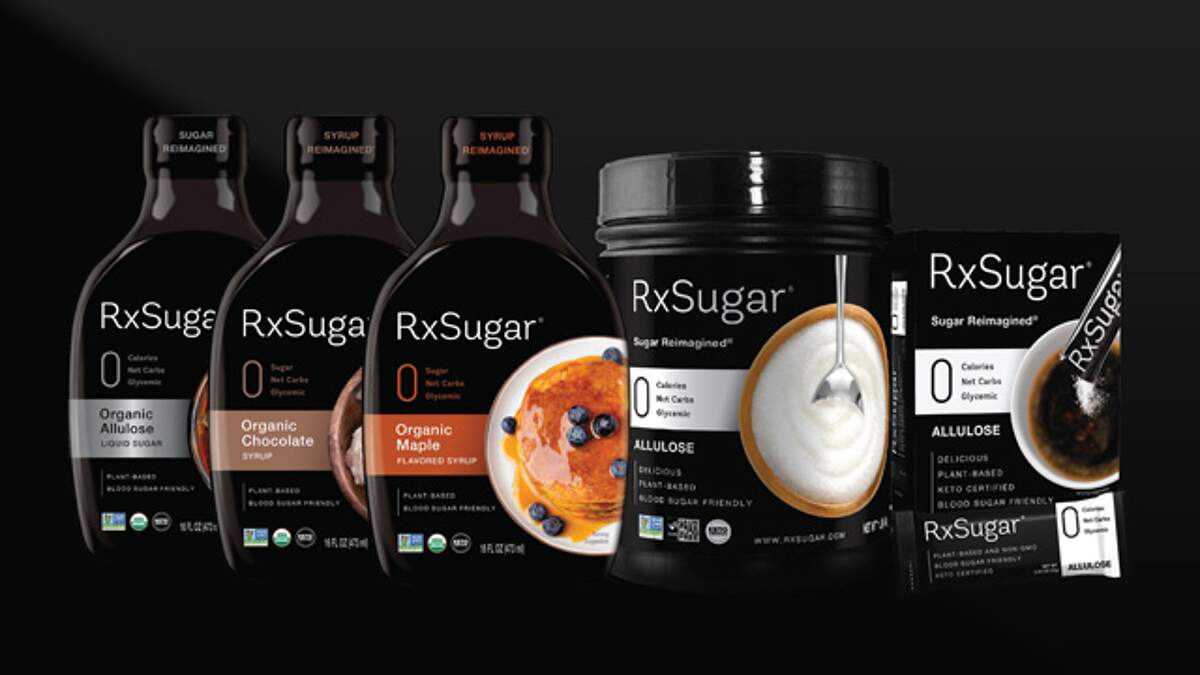
Top 6 Keto Sweeteners and LowCarb Sweetener Conversion Chart KetoDiet Blog

Keto Sweetener Conversion Chart Low carb sweeteners, Ketogenic recipes, Sugar conversion chart

Learn All About Allulose And How It Can Make Your Rosh Hashanah Desserts Healthier

Low Carb + Keto Sweeteners (+ Conversion Chart!) Little Pine Kitchen

Sugar Equivalents & Keto Sweetener Conversion Chart Sugar conversion chart, Keto, Brown sugar

NFA0100 SugarLike Encapsulated Monk Fruit with Allulose The Sweetener House
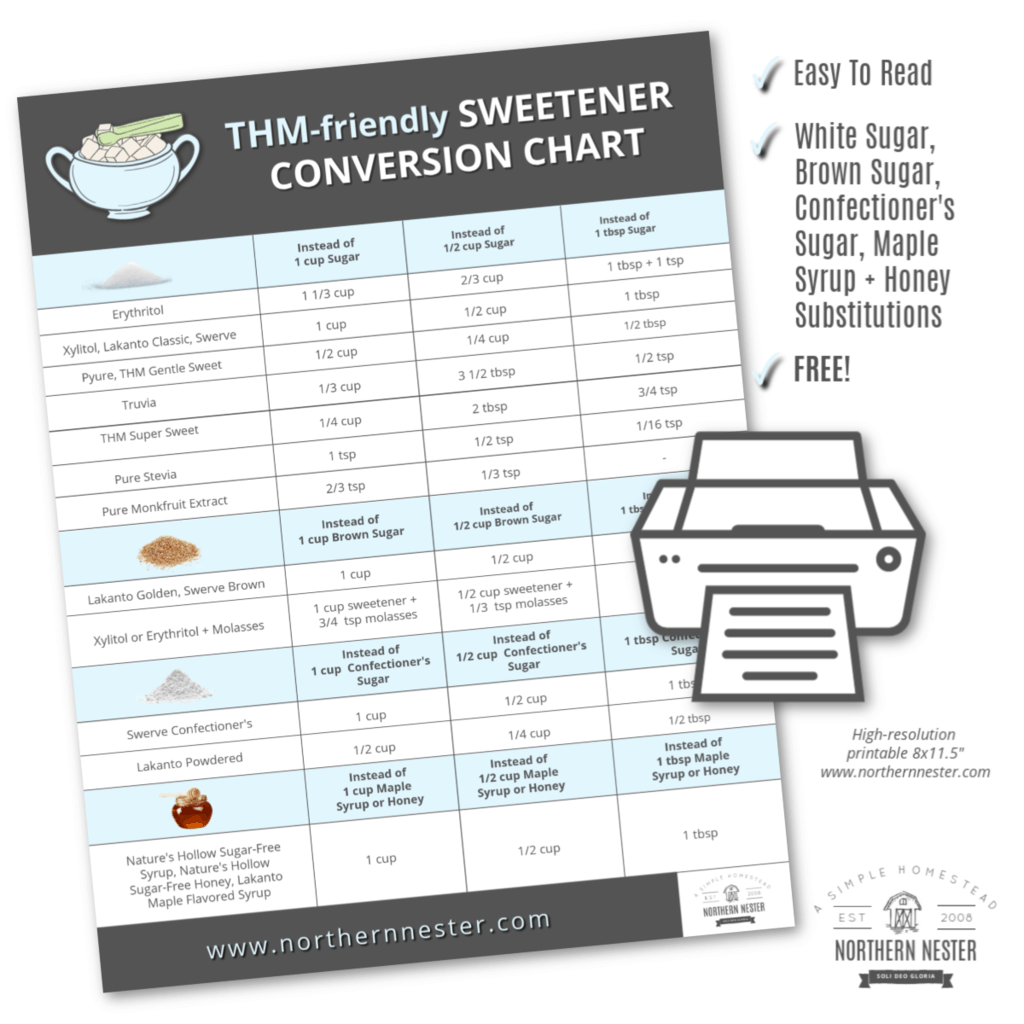
A Simple THM Sweetener Conversion Chart! Northern Nester

How to Properly Measure Baking Ingredients WellHealth Lifestyle Magazine

Not sure how to convert popular keto low carb sweeteners? Use this chart as your guide. Click

Low Carb + Keto Sweeteners (+ Conversion Chart!) Little Pine Kitchen
Allulose Is A Simple Sugar That Is Produced Commercially And Found Naturally In Several Food Sources.
This Article Examines The Safety And Health Effects Of Allulose.
Soon You’ll Be Able To Find It In A Wide Range Of Foods And Beverages To Support A.
Allulose Is A Naturally Occurring Sugar Found At Low Levels In Figs, Raisins, Wheat, Maple Syrup And Molasses.
Related Post: